20 Backyard Garden Ideas for a Beautiful Outdoor Oasis
(Complete Long-Form Guide with Detailed Image Prompts)
A backyard oasis is more than just a garden — it’s a personal retreat where nature, comfort, and design come together to create peace and beauty. The best outdoor spaces feel relaxing, inviting, and effortless, even when they’re carefully planned behind the scenes. Whether you have a small yard or a spacious landscape, transforming it into a beautiful outdoor oasis comes down to thoughtful choices: layered greenery, cozy seating, calming textures, and elements that engage the senses.
Below are 20 detailed backyard garden ideas, each explained in depth so you can understand not only what to add but why it works. Every idea includes a professional-level AI image prompt to help you generate realistic visuals for blogs, Pinterest, or design inspiration.
1. Create a Relaxing Lounge Area Surrounded by Greenery
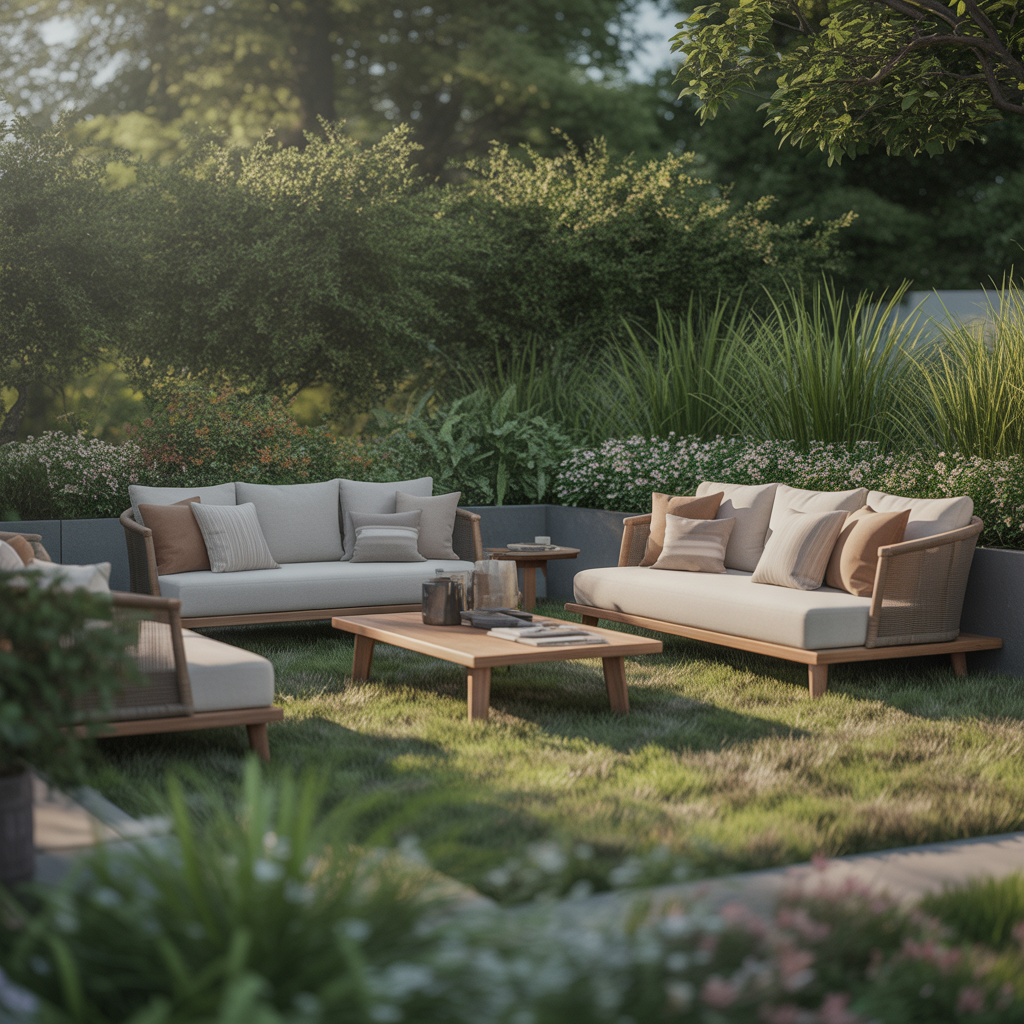
A true outdoor oasis begins with comfort. A dedicated lounge area transforms your backyard from a pass-through space into a destination where people naturally want to relax. Instead of simply placing chairs on a patio, think about creating a layered environment where seating feels embraced by nature. Arrange comfortable outdoor furniture with weather-resistant cushions, add side tables for drinks, and surround the area with plants of varying heights. Tall shrubs or ornamental grasses behind seating provide privacy, while low flowers and potted plants soften edges and make the space feel intentional. Shade is equally important — umbrellas, pergolas, or nearby trees prevent harsh sunlight and encourage longer use throughout the day. When designed well, a lounge zone becomes the emotional center of the backyard, supporting quiet mornings, casual gatherings, or evening relaxation. The goal is to blur the line between indoor comfort and outdoor beauty, making the space feel luxurious yet natural without requiring expensive construction.
2. Add a Gentle Water Feature for Calm Atmosphere
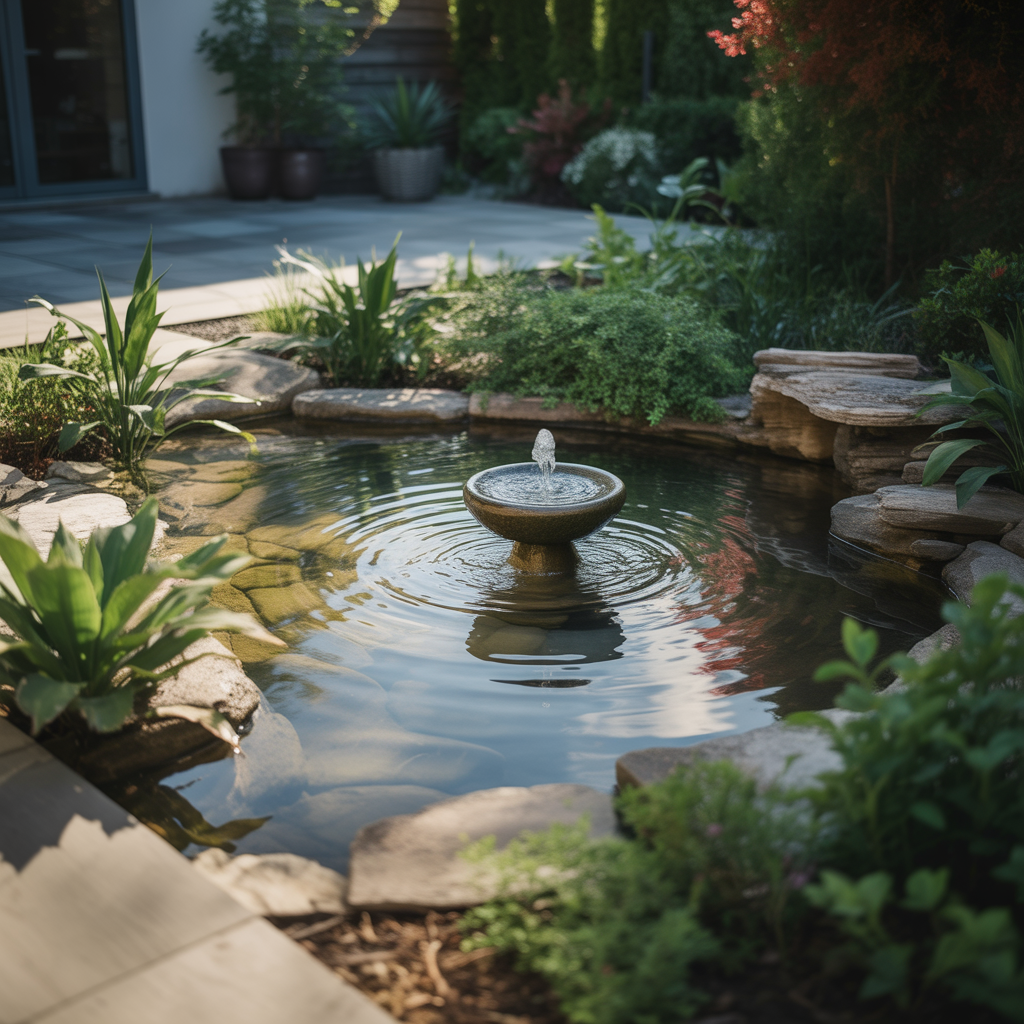
Water instantly elevates a garden because it engages both sight and sound. The soft trickle of water masks neighborhood noise and creates a peaceful ambiance associated with spas and resorts. A backyard oasis doesn’t require a large pond — a small fountain, bubbling stone, or modern water bowl can provide the same calming effect. Position the feature near seating areas so the sound becomes part of the experience. Surround it with smooth stones, lush greenery, or low ground covers to make it feel naturally integrated into the landscape. Water features also attract birds, bringing movement and life into the garden. The reflective quality of water adds depth and visual richness, especially when sunlight hits the surface. Choosing a simple, clean design ensures it remains timeless and easy to maintain. Even budget-friendly options can look luxurious when combined with thoughtful planting and minimal clutter around them.
3. Use Layered Planting for Depth and Luxury
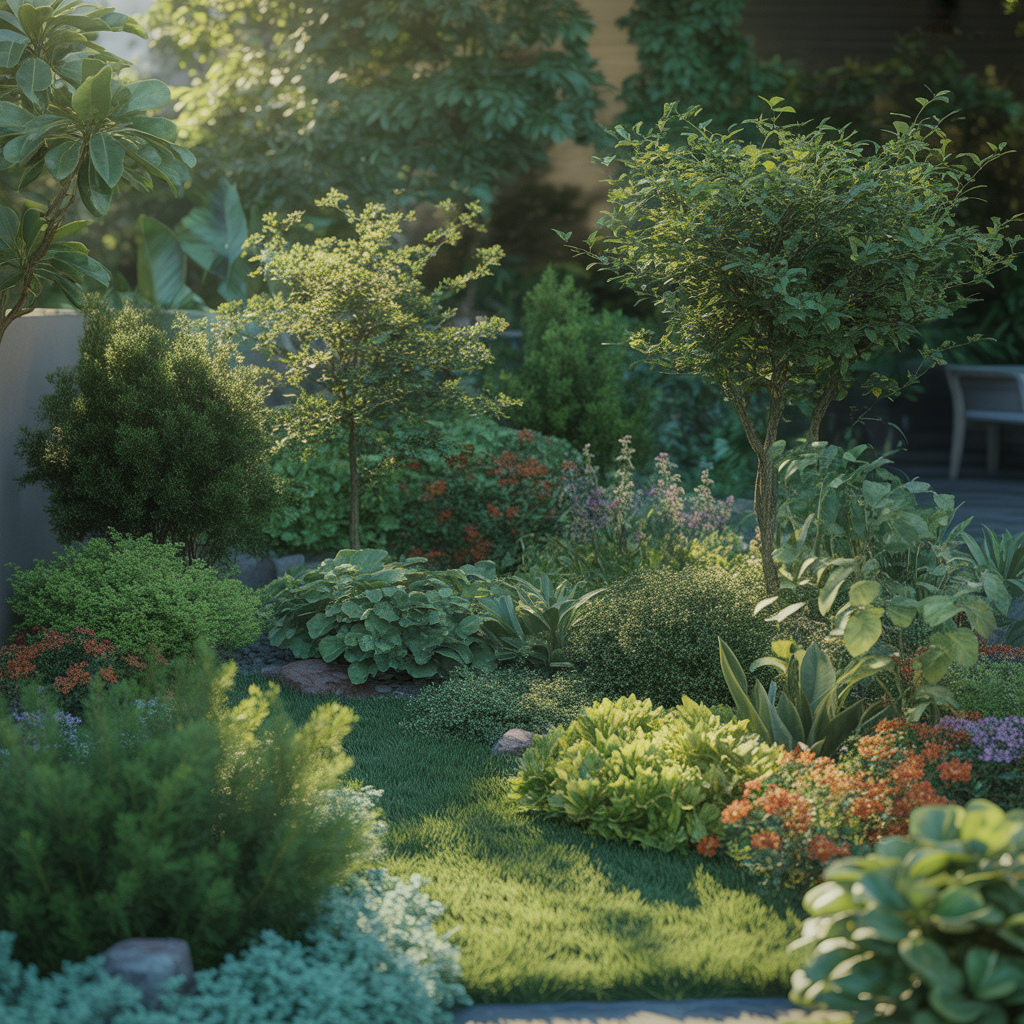
Layered planting is one of the most effective techniques used by professional landscape designers. Instead of placing plants randomly, arrange them in tiers — tall shrubs or small trees at the back, medium-height plants in the middle, and low flowers or ground covers in front. This creates depth, making even small gardens feel lush and expansive. Layering also ensures the garden looks full year-round, because different plant heights and textures catch light differently and maintain visual interest. Mixing leaf shapes, tones of green, and seasonal flowers enhances the natural feel while keeping maintenance manageable. The layered approach mimics natural ecosystems, which is why it feels calming and organic. When people walk into a layered garden, they perceive richness and abundance, often associating it with expensive landscaping even if the plants themselves are affordable. It’s a simple design strategy that dramatically changes how your backyard feels.
4. Install Soft Ambient Lighting for Evenings
Lighting is what transforms a backyard from a daytime garden into a magical nighttime retreat. Soft ambient lighting — such as string lights, lanterns, or low path lights — creates warmth and intimacy without overwhelming the space. The key is subtlety; harsh bright lights ruin the relaxing feel of an oasis. Warm-toned lights highlight plants, define pathways, and make seating areas feel cozy after sunset. Lighting also extends the usability of your backyard, allowing you to enjoy dinners, conversations, or quiet moments outdoors long into the evening. Strategically placed lights can make small spaces feel larger by drawing the eye outward. When combined with greenery, shadows and glows create a layered visual effect that feels luxurious and calm. Even simple solar lights can achieve this look if arranged thoughtfully.
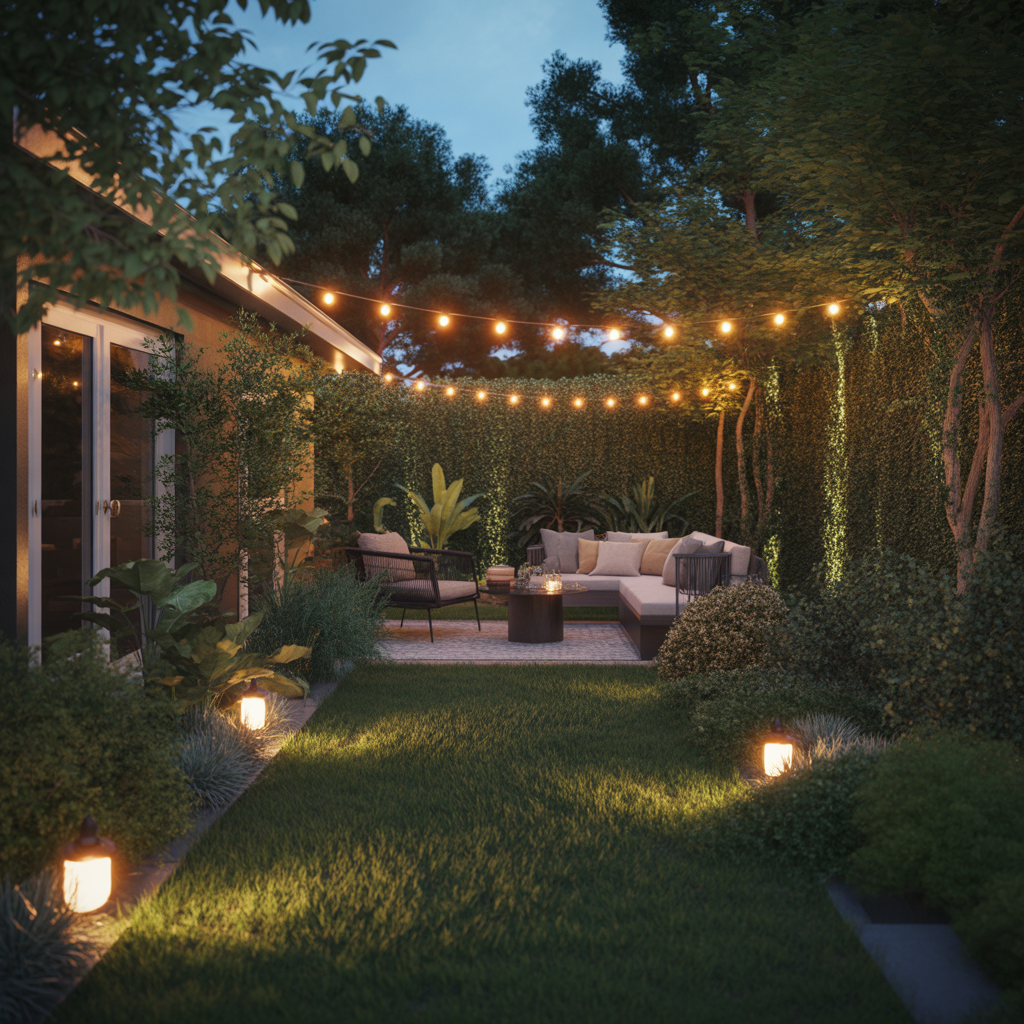
5. Add a Pergola for Shade and Structure
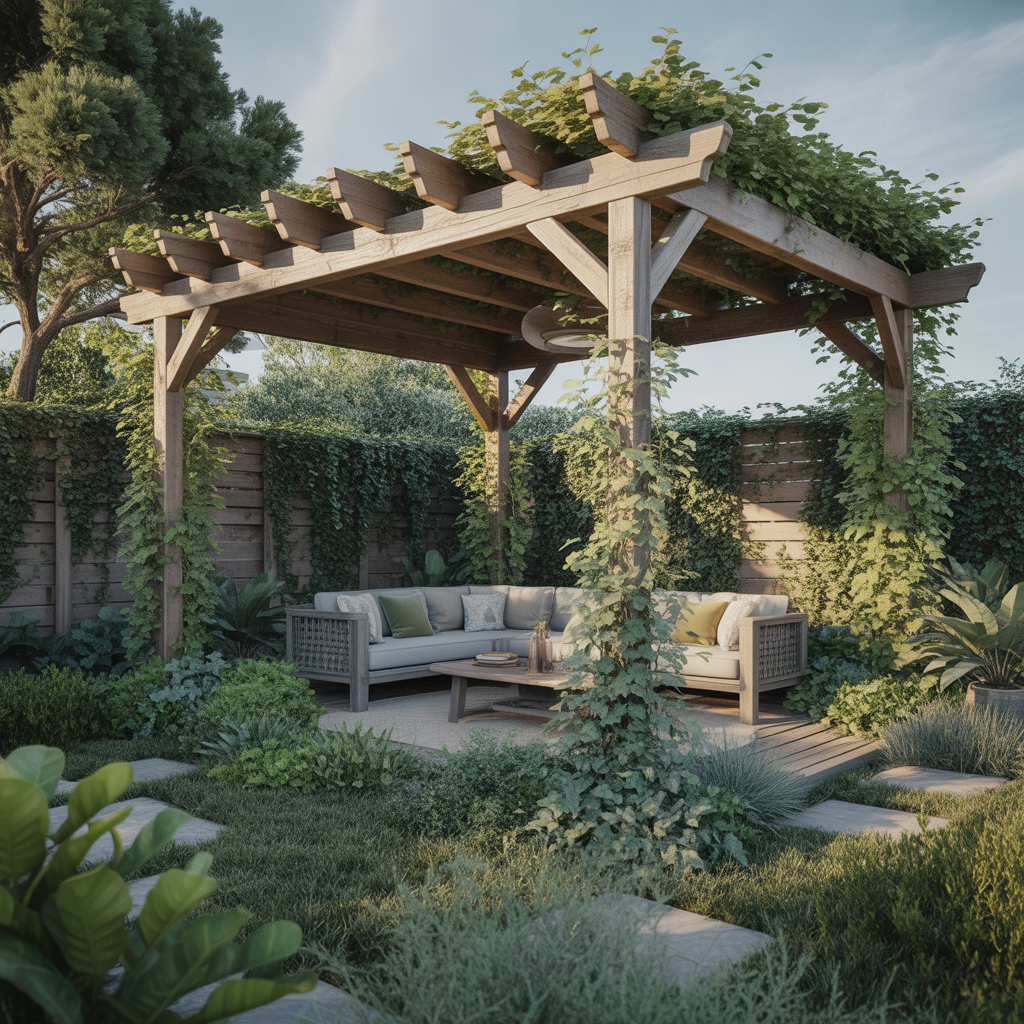
A pergola instantly adds architectural elegance to a backyard while making the space more functional. It defines an outdoor room, creating a sense of enclosure without closing off the natural environment. Shade structures are essential in an oasis because comfort encourages longer stays outdoors. A pergola can support climbing plants like jasmine or roses, adding softness and fragrance while blending structure with nature. Underneath, place a dining set or lounge furniture to create a destination area. Over time, as plants grow and partially cover the beams, the space feels increasingly lush and private. The vertical lines of a pergola also make the backyard appear taller and more sophisticated. Even simple wooden designs can look high-end when paired with thoughtful planting and lighting.
6. Stone Pathways for Flow and Elegance
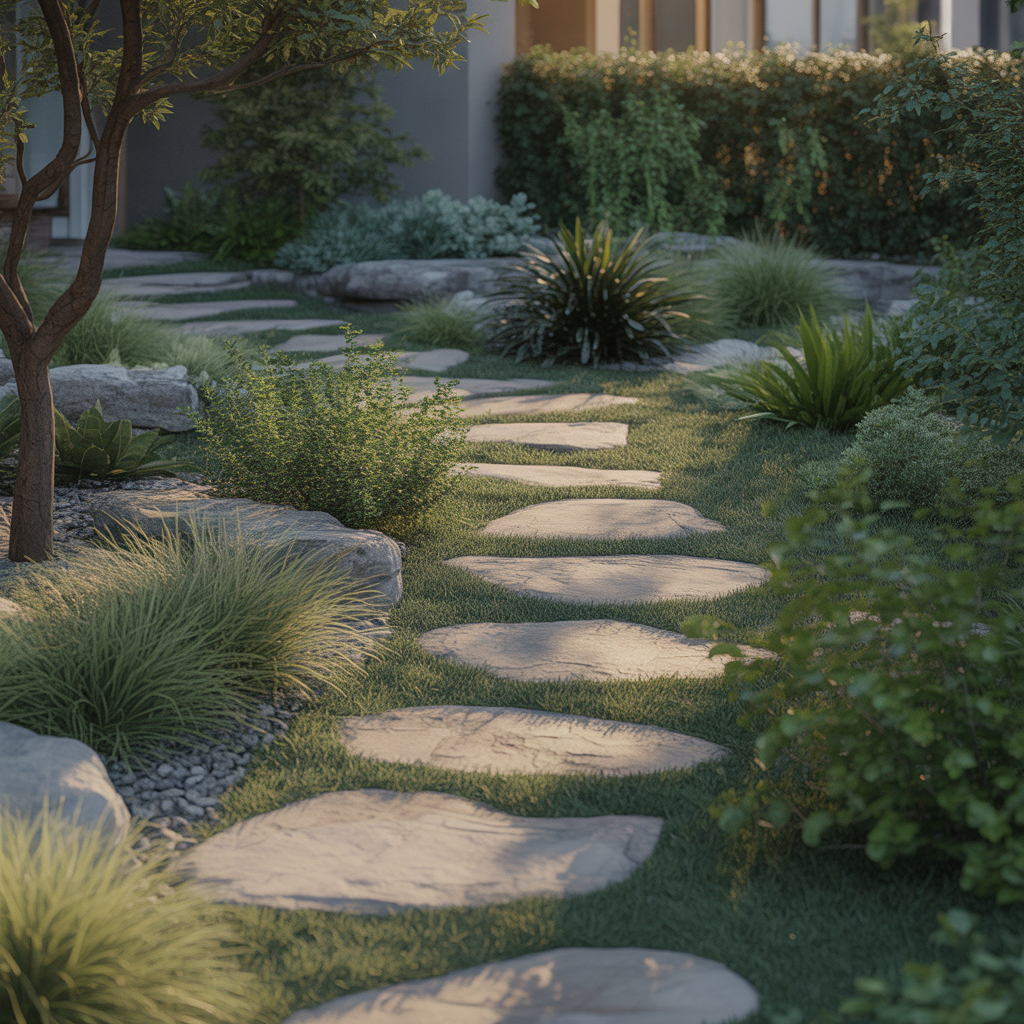
Stone pathways do far more than guide movement — they create rhythm, structure, and narrative within a garden. In a true outdoor oasis, every transition should feel intentional. A winding stone path invites exploration, encouraging guests to slow down and experience the space rather than simply pass through it. Natural stone, stepping slabs, or even budget-friendly concrete pavers can achieve this effect when thoughtfully placed.
Curved pathways feel softer and more organic, blending seamlessly with surrounding plants. Straight lines, on the other hand, create a modern, architectural aesthetic. Whichever style you choose, edge the pathway with low greenery, ornamental grasses, or subtle lighting to enhance depth. The contrast between solid stone and soft foliage creates visual balance — a hallmark of high-end landscape design.
Beyond aesthetics, pathways protect your lawn and planting beds from foot traffic, reducing long-term maintenance. They also subtly divide garden zones, making the backyard feel larger and more structured. When designed carefully, even a small yard gains a sense of journey and elegance.
7. Cozy Fire Pit Gathering Zone
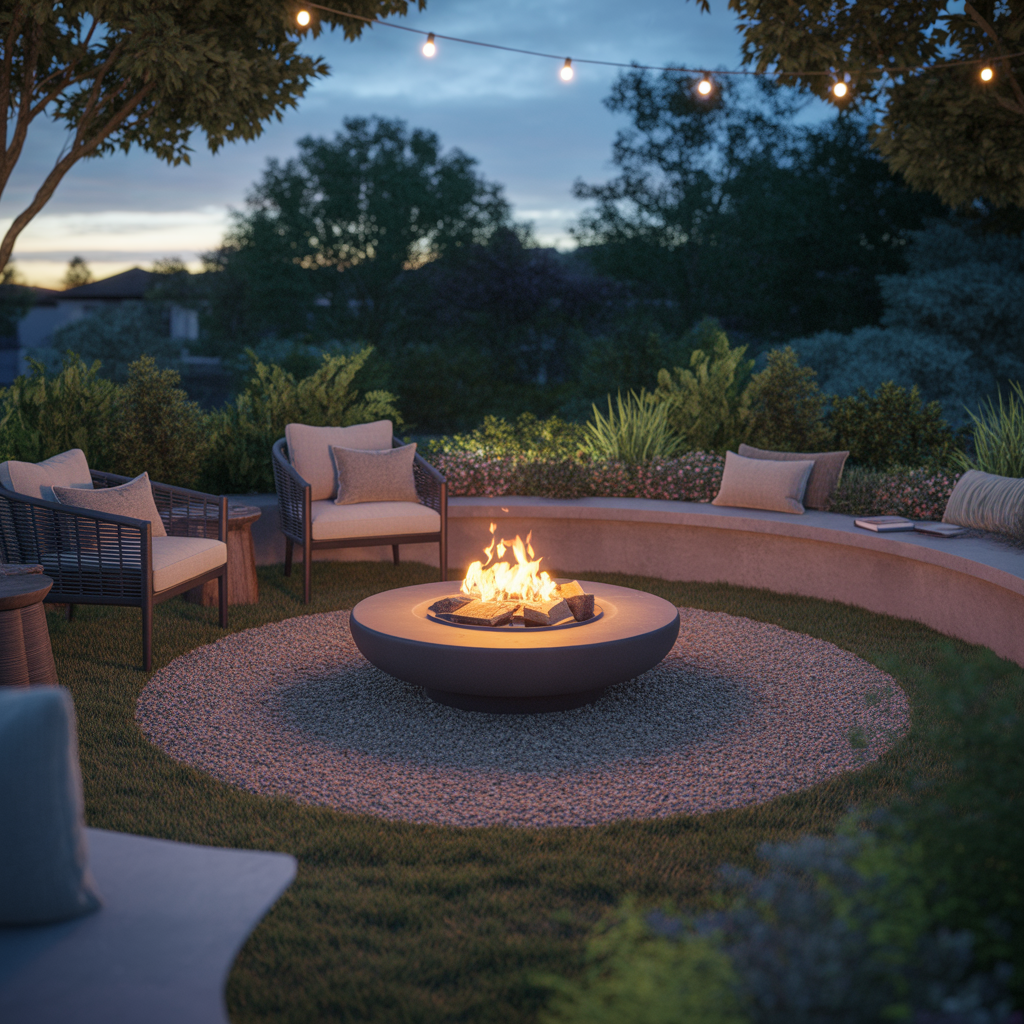
A fire pit instantly transforms a backyard into a year-round retreat. Fire engages the senses — warmth, flickering light, and gentle crackling sounds create intimacy and comfort. In an outdoor oasis, a fire pit becomes the emotional centerpiece where conversations linger long after sunset.
You don’t need an elaborate built-in installation. A simple circular gravel base with comfortable seating arranged around a portable fire pit can look equally luxurious. The key lies in arrangement. Position seating in a semi-circle to encourage interaction, layer with cushions for comfort, and surround the zone with greenery to create enclosure without blocking airflow.
Lighting around the fire pit should remain subtle. The glow of the flames should dominate, complemented only by soft ambient lighting. Incorporating natural textures — wood, stone, and woven fabrics — enhances the resort-like atmosphere.
This idea expands usability across seasons. Even cooler evenings become inviting, making your backyard an all-year destination rather than a seasonal space.
8. Outdoor Dining Garden Space
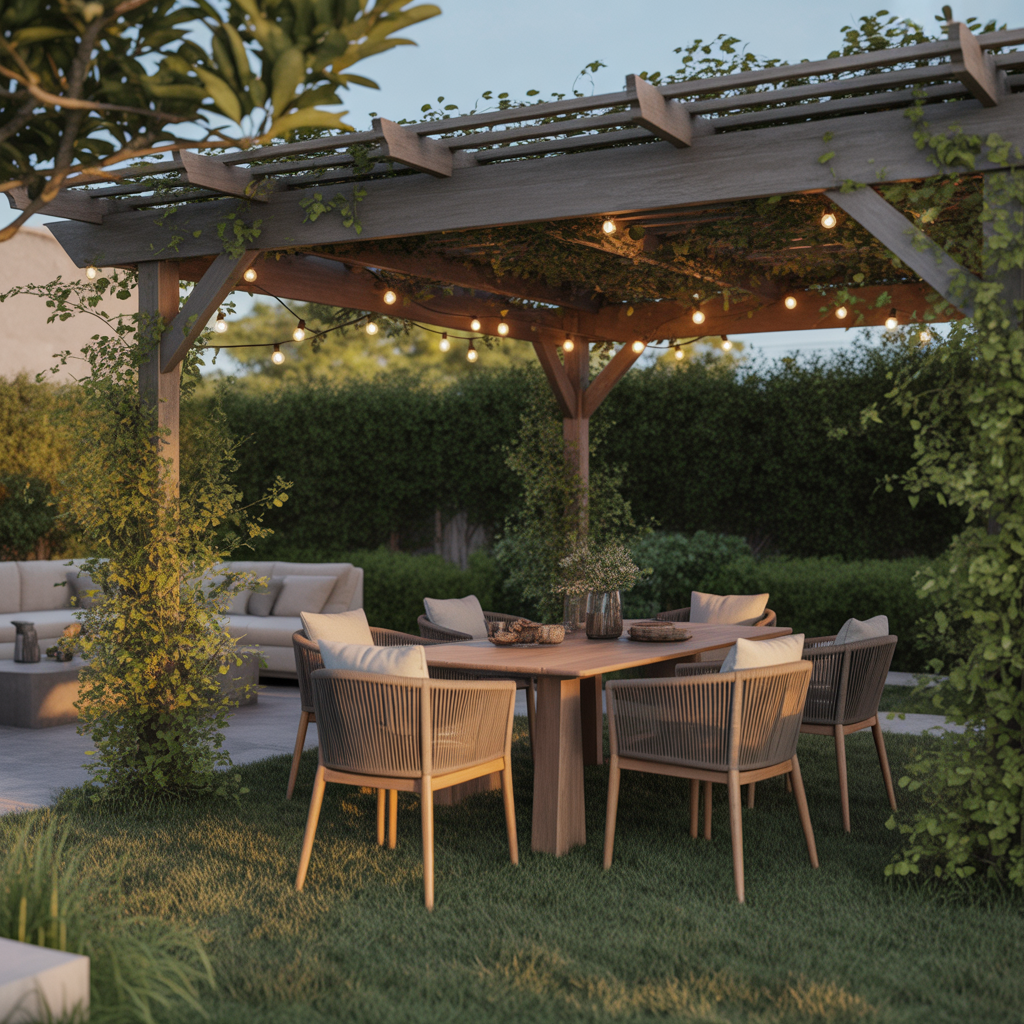
Dining outdoors transforms routine meals into memorable experiences. A dedicated garden dining area turns your backyard into an extension of your home. The key is creating a space that feels intentional rather than temporary.
Choose a sturdy outdoor table placed on a patio, deck, or gravel surface. Surround it with comfortable chairs and anchor the area with potted plants or a pergola overhead. Incorporating soft lighting — such as hanging lanterns or string lights — ensures usability after sunset.
Greenery should frame, not overwhelm, the space. Low plantings maintain openness, while taller shrubs or climbing vines add intimacy. Natural materials like wood and linen enhance warmth and elegance.
An outdoor dining area encourages gathering, celebration, and daily enjoyment. It doesn’t need extravagant décor — simplicity paired with thoughtful layout creates the luxury feel.
9. Vertical Garden Walls
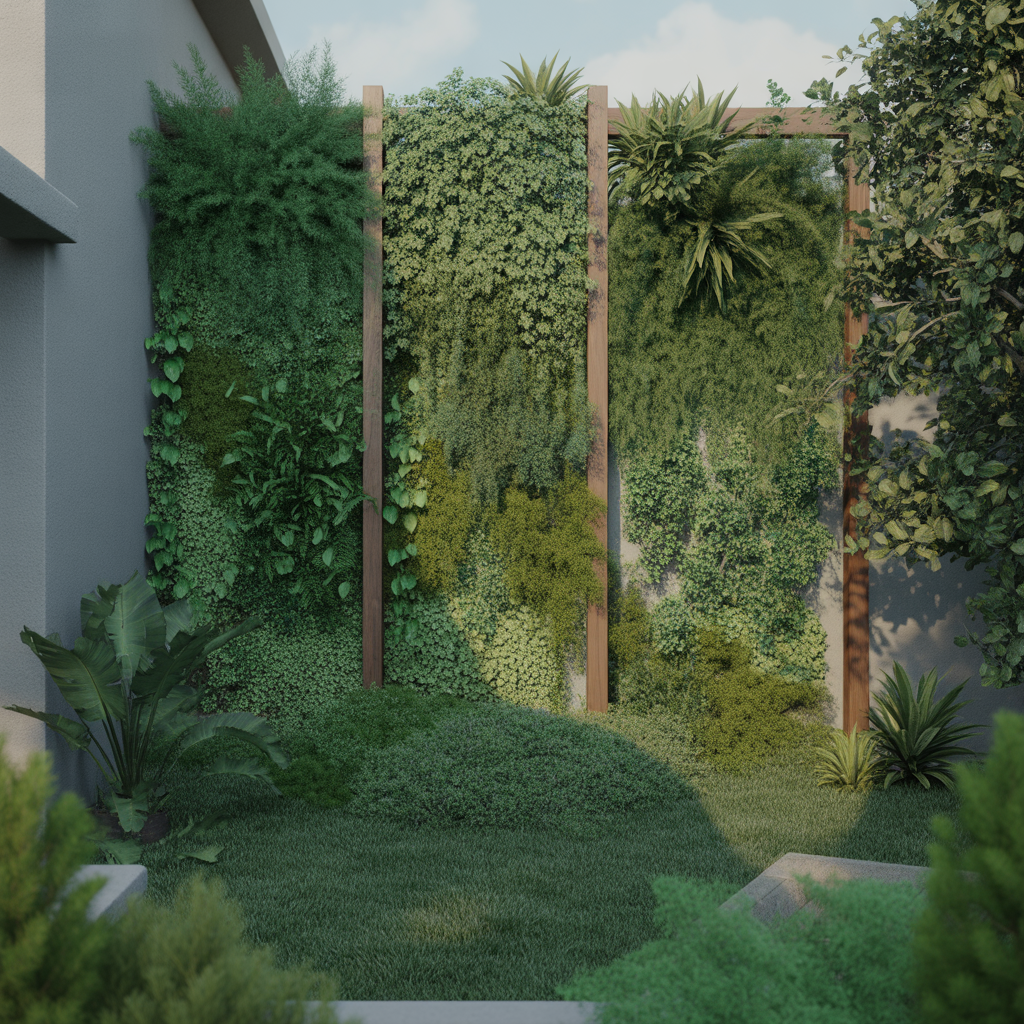
When ground space is limited, vertical gardening adds lushness without crowding. A vertical garden wall transforms plain fences or walls into living art. It adds depth, insulation, and a sense of enclosure that enhances the oasis feeling.
Wall-mounted planters, trellises with climbing plants, or structured living walls can all achieve this effect. Vertical greenery softens hard surfaces and reduces visual clutter. It also increases plant density, making the garden feel abundant.
This technique works especially well in urban or compact yards. By drawing the eye upward, the space appears taller and more immersive.
10. Hammock Relaxation Corner
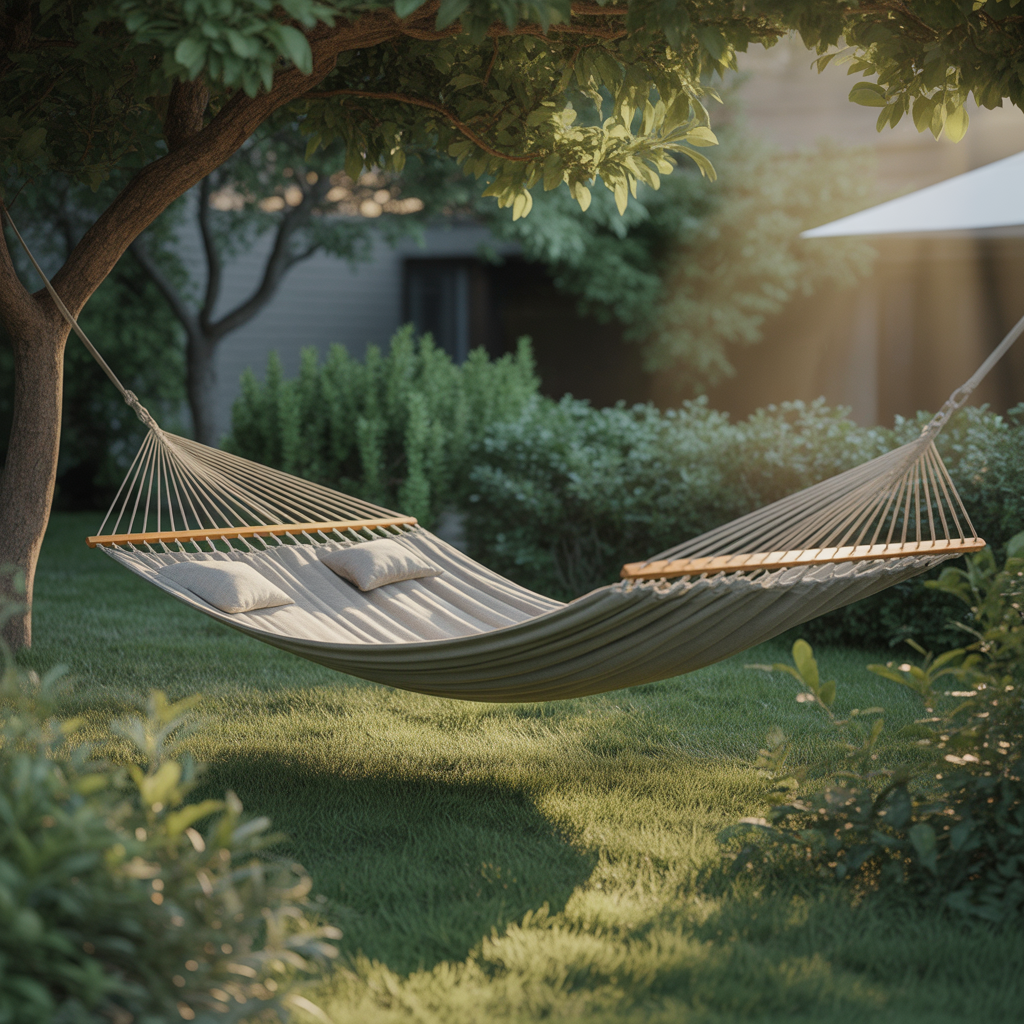
Few elements communicate relaxation more clearly than a hammock. Suspended between trees or supported by a sleek stand, a hammock corner invites stillness.
Position it in partial shade, surrounded by soft greenery. Ornamental grasses or flowering plants can frame the area without crowding it. Add a small side table or outdoor rug to complete the space.
The hammock symbolizes escape. It slows the pace of the backyard and creates a dedicated relaxation zone separate from social areas.
11. Mixed Texture Landscaping
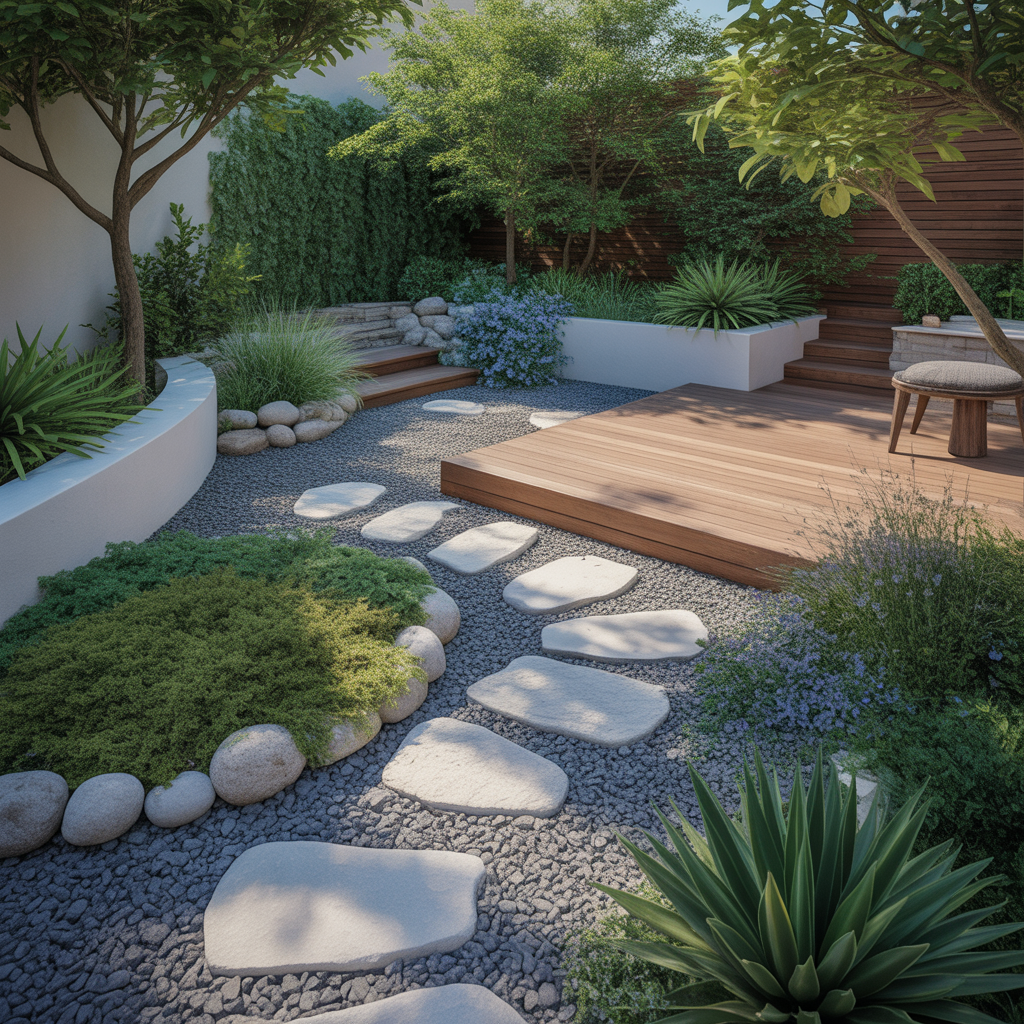
Luxury gardens often rely on texture rather than excessive color. Combining wood decking, gravel paths, smooth stones, and soft plant foliage creates depth and richness.
Texture contrast makes simple materials appear sophisticated. Rough stone next to delicate grass blades enhances visual interest.
This approach reduces reliance on constant blooms, meaning the garden looks refined year-round
12. Butterfly & Pollinator Garden for a Living Oasis
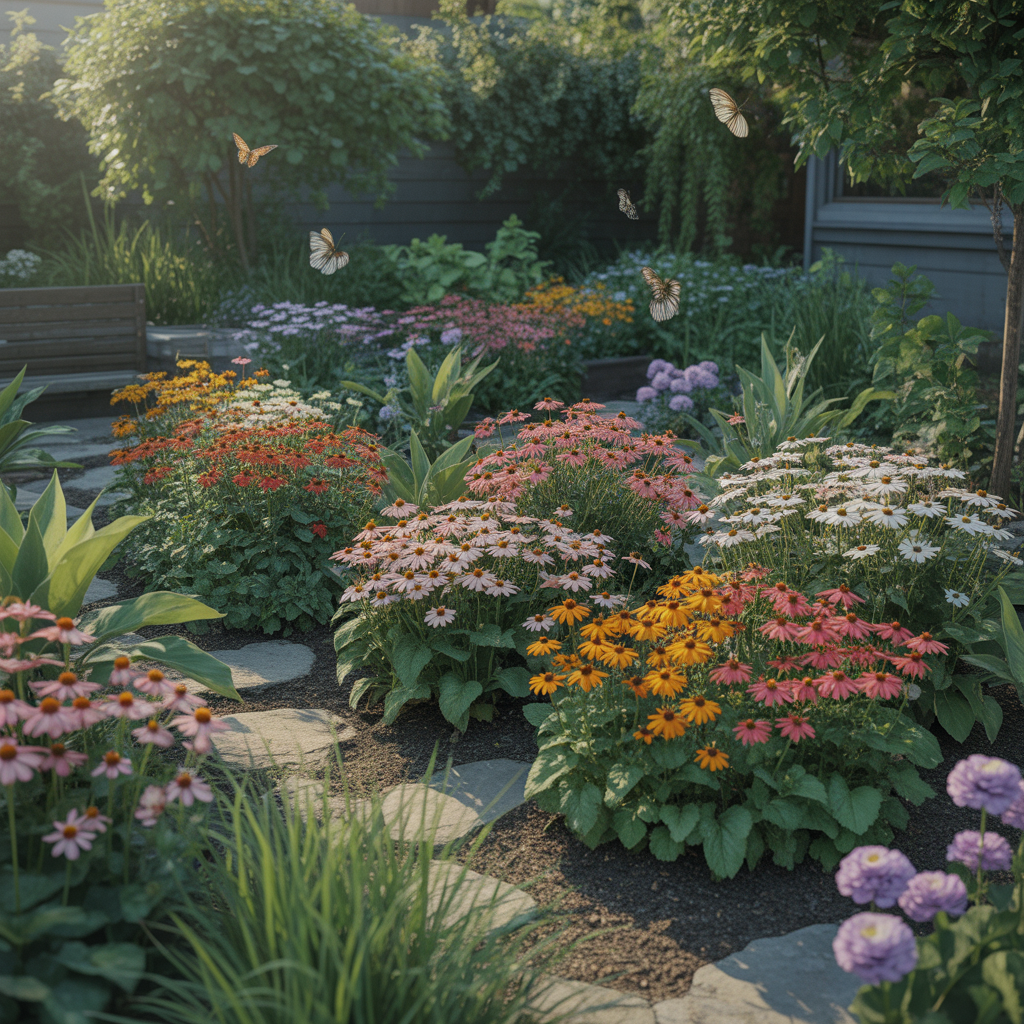
A truly beautiful outdoor oasis isn’t just visually appealing — it feels alive. One of the most rewarding ways to bring energy and movement into your backyard is by creating a butterfly and pollinator garden. Unlike traditional flower beds that focus only on appearance, pollinator gardens are designed to attract butterflies, bees, and beneficial insects that naturally enhance the ecosystem. The constant fluttering movement of butterflies adds a magical, dynamic element that makes the space feel vibrant and immersive.
To build this type of garden, focus on nectar-rich flowers planted in clusters rather than scattered individually. Grouping flowers makes it easier for pollinators to locate food sources and creates stronger visual impact. Choose plants with staggered blooming seasons so the garden remains active throughout the year. Soft pathways winding through the flowers allow you to walk within the garden and experience it closely.
Beyond beauty, pollinator gardens support biodiversity and require less maintenance once established. Native flowering plants often thrive with minimal watering and care, making this idea both eco-friendly and practical. Over time, your backyard begins to feel like a small natural sanctuary — filled with color, movement, and gentle life.
13. Privacy Plant Screens for a Secluded Retreat
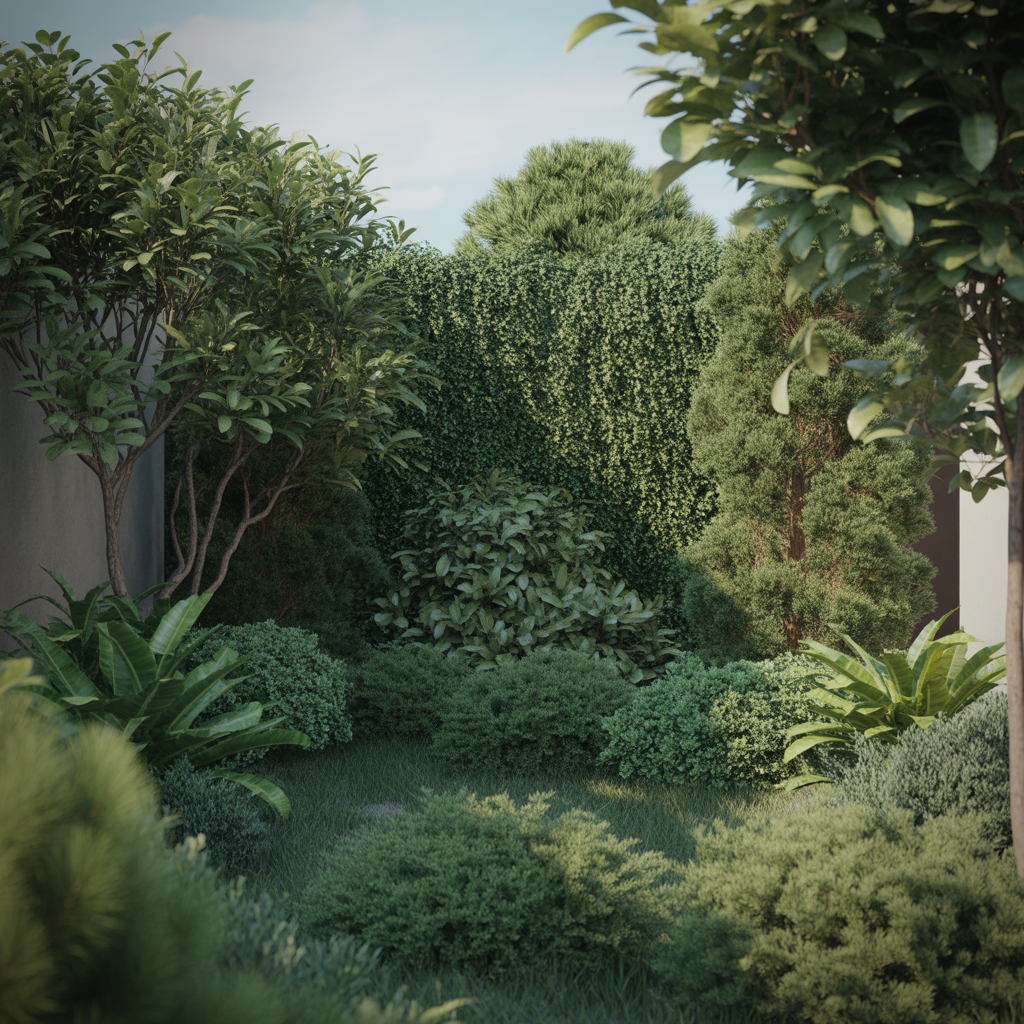
Privacy is essential for transforming a regular backyard into a true oasis. When you feel hidden from neighbors or street views, relaxation becomes easier and the space feels more intimate. Instead of relying solely on fences, using plant-based privacy screens creates a softer, more natural environment. Dense shrubs, tall grasses, or small trees form living walls that provide enclosure while maintaining beauty.
Layering is key. Combine taller evergreen shrubs at the back with medium-height plants in front to avoid a flat appearance. This layered approach adds depth and keeps the screen visually interesting year-round. Plant screens also absorb sound, reducing noise pollution and creating a quieter atmosphere.
Unlike hard fencing, living privacy screens evolve over time, becoming fuller and more natural. They also support wildlife and improve air quality. Once established, many screening plants require minimal maintenance beyond occasional trimming. The result is a backyard that feels peaceful, protected, and separate from the outside world — a core characteristic of any outdoor oasis.
14. Decorative Gravel Zones for Effortless Elegance
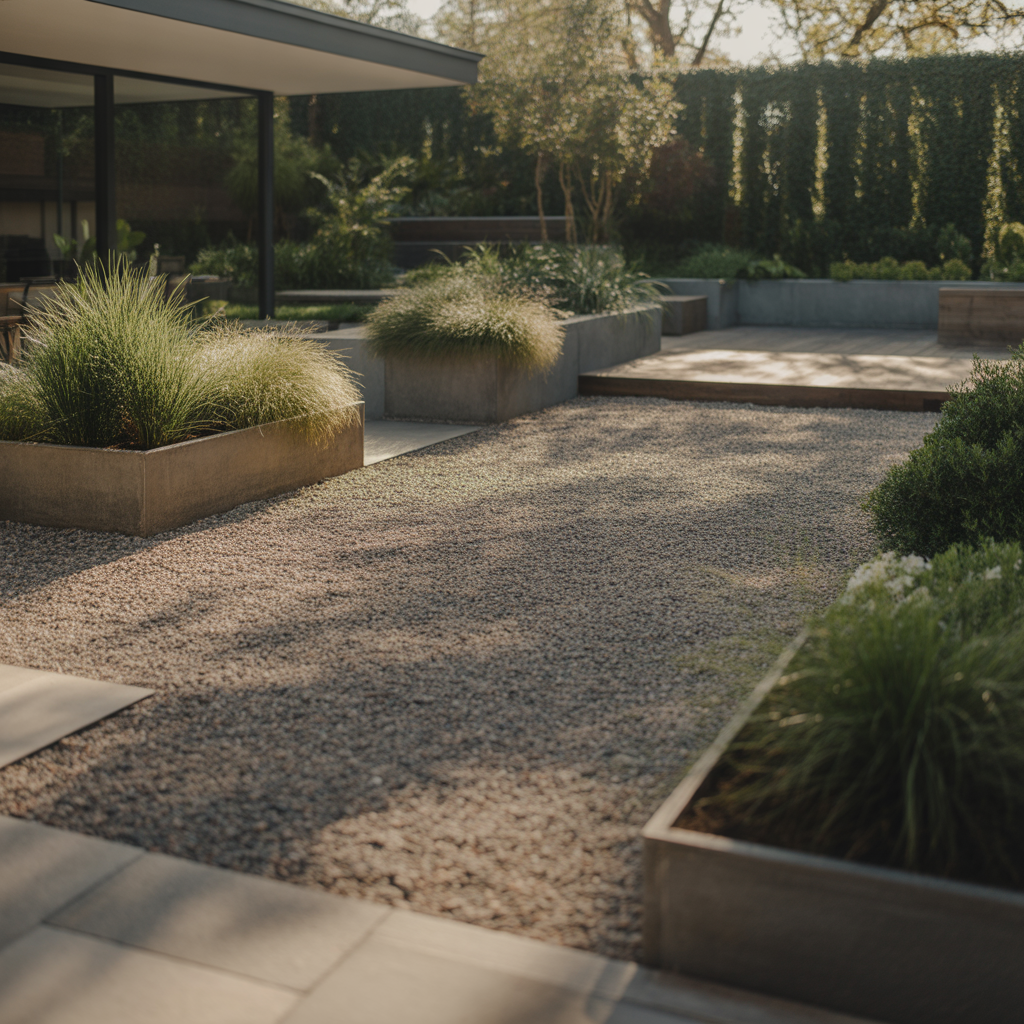
Decorative gravel is one of the simplest ways to add sophistication while reducing maintenance. In an outdoor oasis, gravel creates contrast against lush greenery and introduces clean, minimalist textures that feel modern and intentional. It works especially well in seating areas, pathways, or transitional spaces between planting beds.
The beauty of gravel lies in its versatility. Light-colored gravel reflects sunlight and brightens the garden, while darker tones create dramatic contrast. Pair gravel with large potted plants, ornamental grasses, or sculptural stones to enhance the upscale look. Because gravel allows water to drain easily, it reduces puddling and helps maintain a clean appearance even after rain.
Another benefit is practicality. Gravel eliminates mowing and reduces weed growth when installed with landscape fabric underneath. This means you gain a polished look with very little upkeep. When combined with soft planting and natural materials like wood or stone, decorative gravel zones create the balanced harmony typical of high-end resort gardens.
15. Garden Bench Retreat for Quiet Moments
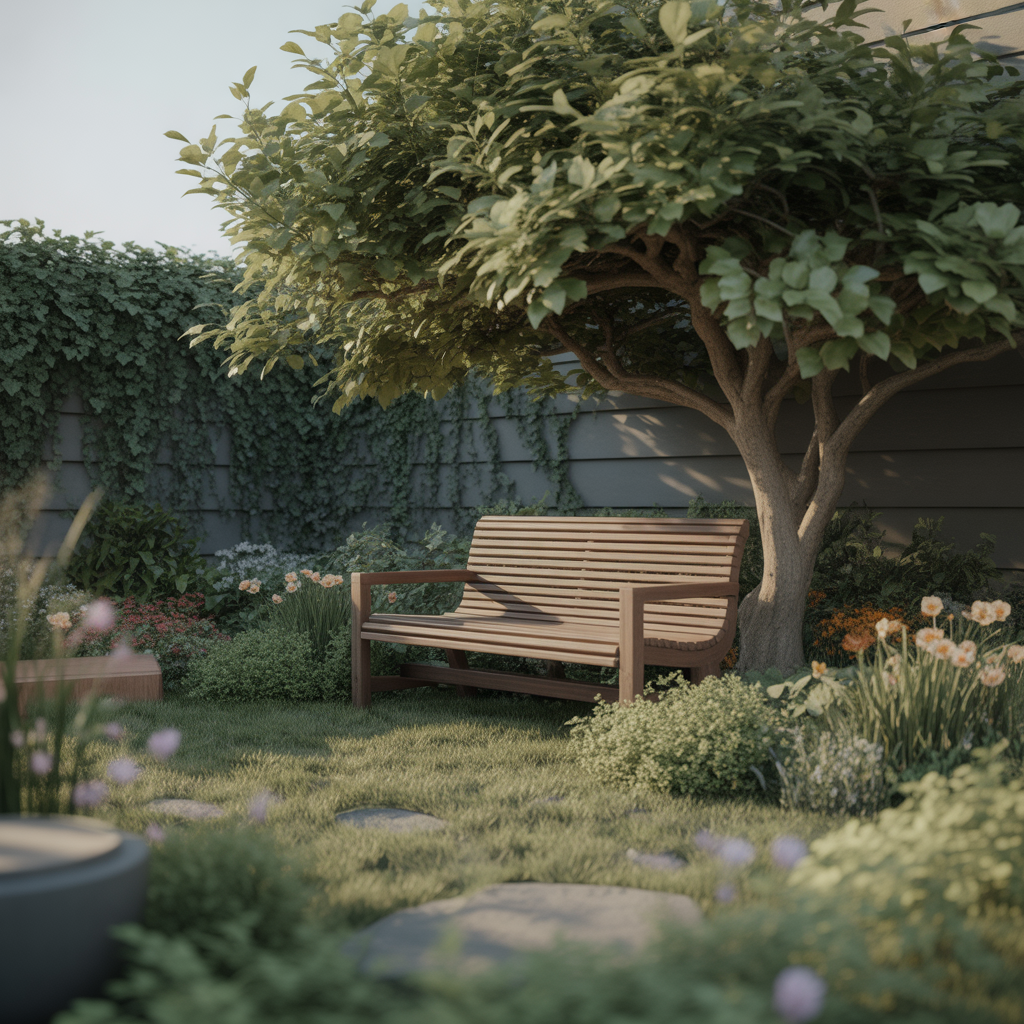
Every oasis needs a quiet corner designed for stillness. A simple garden bench placed thoughtfully within greenery creates a destination for reflection, reading, or simply enjoying nature. The power of this idea lies in restraint — it doesn’t require elaborate construction or expensive features, only careful placement.
Position the bench under a tree, near flowers, or at the end of a pathway to make it feel intentional. Surround it with soft planting rather than dense shrubs so the area remains open and welcoming. Natural materials like wood or stone blend seamlessly with the landscape and age beautifully over time.
This small addition encourages slower living. Instead of constantly moving through the yard, you pause and observe — watching sunlight shift, leaves move, or birds pass by. The emotional impact of such a simple feature is significant, making the garden feel personal and restorative.
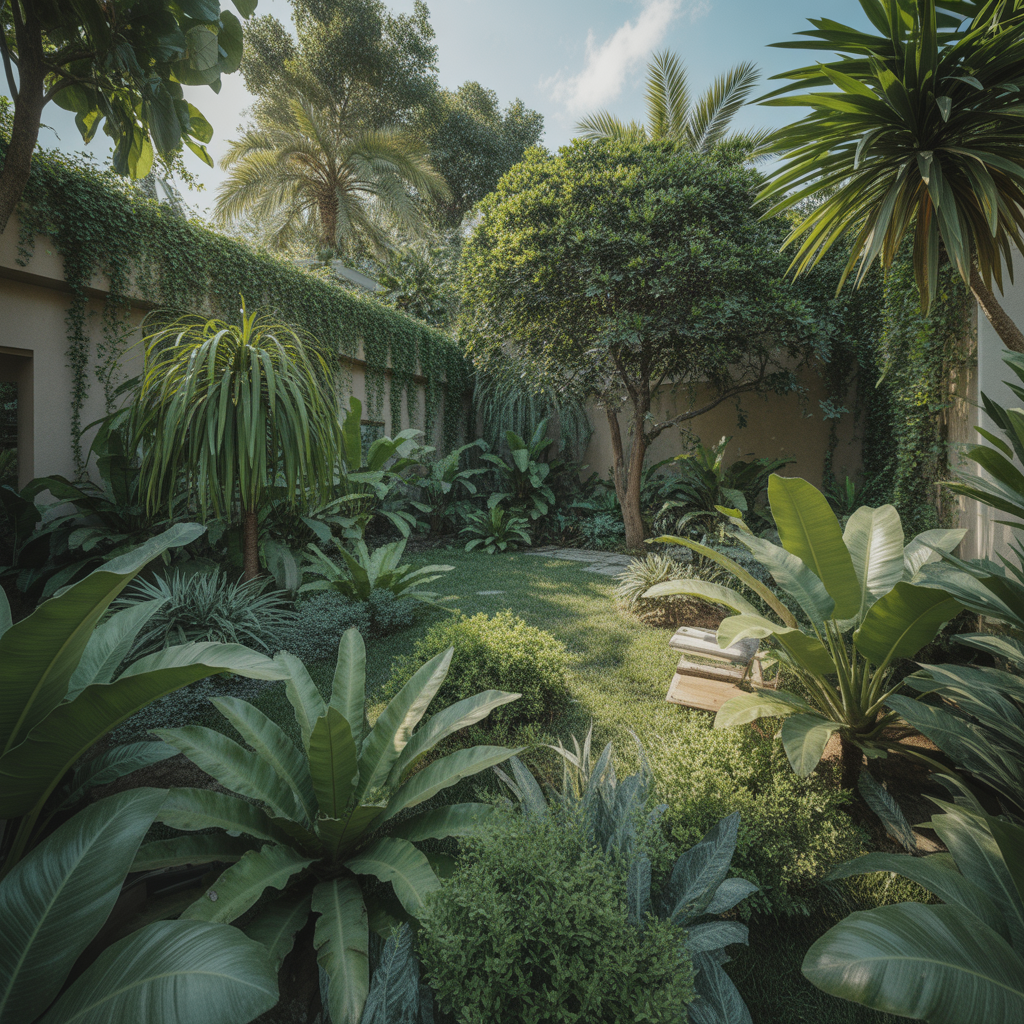
16. Tropical Plant Theme for Lush Escape
A tropical-inspired garden instantly creates the feeling of escape. Large leafy plants, layered greenery, and bold textures make the backyard feel immersive and luxurious, even if you’re far from a tropical climate. The key is choosing hardy plants with dramatic foliage that mimic tropical aesthetics.
Focus on leaf shapes rather than flowers — broad leaves create visual drama and dense layering. Group plants closely to create a jungle-like feel and use curved pathways or natural materials to enhance the organic look. Adding subtle lighting among foliage creates beautiful nighttime shadows.
Tropical themes work particularly well for creating privacy and reducing visual noise. The dense planting softens boundaries and makes the garden feel enclosed. Despite the lush appearance, many tropical-style plants are surprisingly easy to maintain once established, making this a high-impact yet practical design choice.
17. Minimalist Zen Garden Area
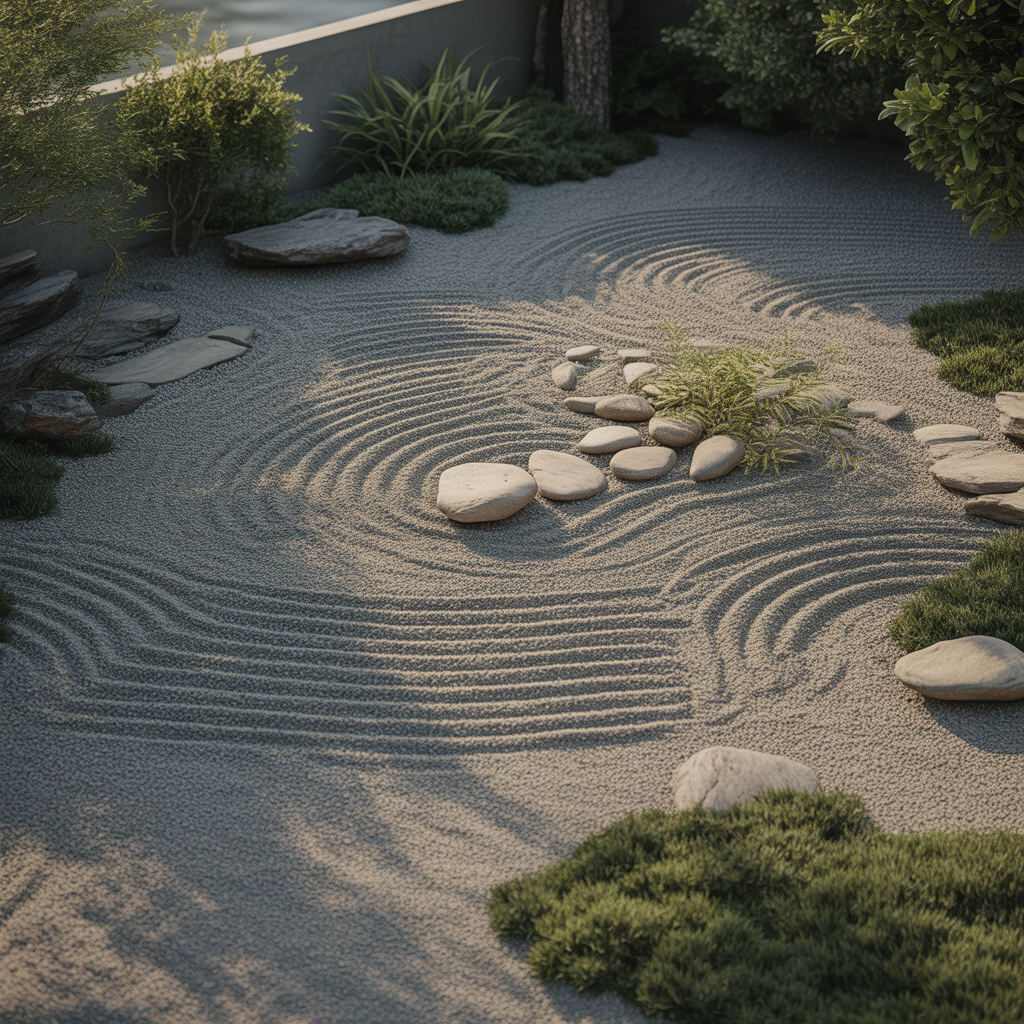
A Zen-inspired garden introduces calm through simplicity. Instead of abundance, the focus is on balance, space, and intentional design. Raked gravel, carefully placed stones, and minimal greenery create a meditative atmosphere that contrasts beautifully with more lush sections of the yard.
The power of a Zen garden lies in negative space. Open areas allow the mind to rest, making the garden feel peaceful and uncluttered. Use clean lines and natural materials to maintain harmony. Small shrubs or sculptural plants can serve as focal points without overwhelming the design.
This style is also extremely low maintenance. With fewer plants and simple materials, upkeep is minimal. The result is a quiet retreat that encourages mindfulness and calm — a perfect complement to more vibrant garden zones.
18. Container Garden Styling for Flexible Beauty
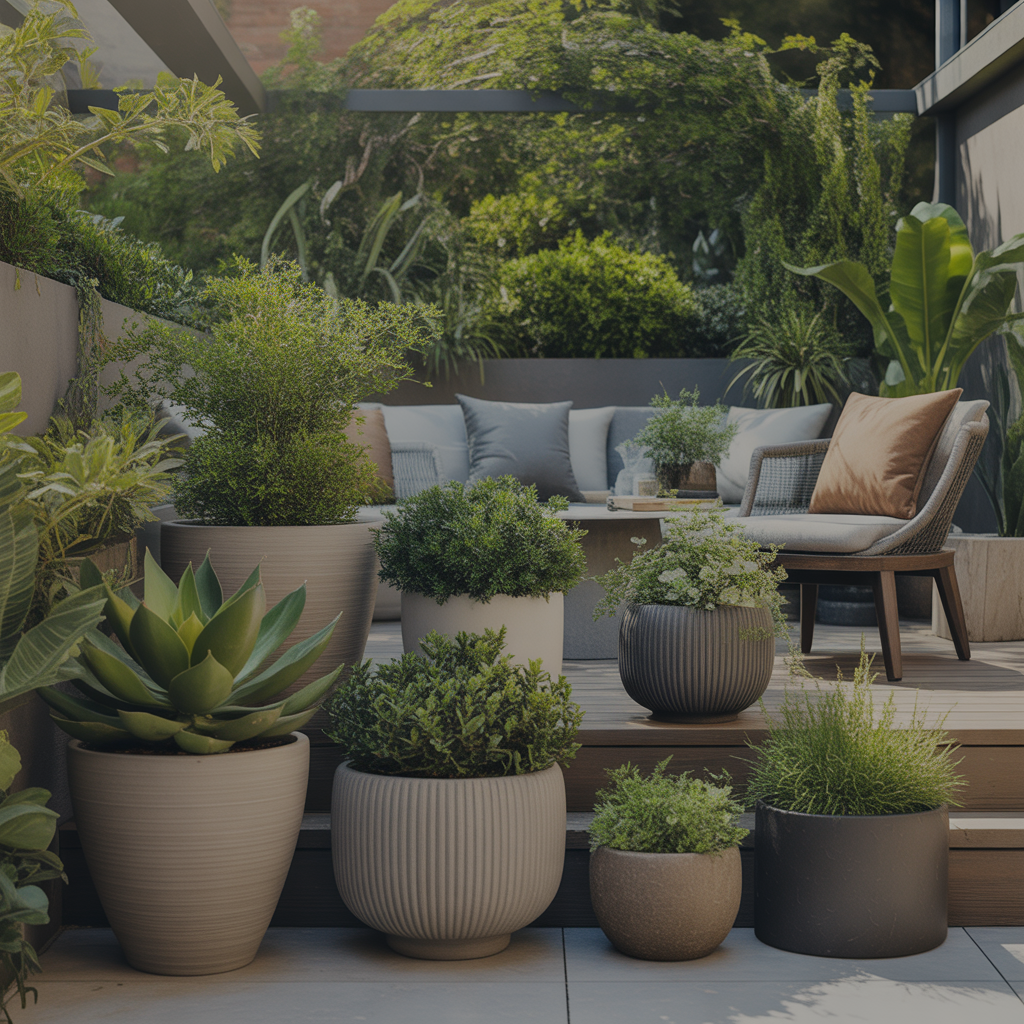
Container gardens bring flexibility and style to an outdoor oasis. By using coordinated planters, you can easily adjust layouts, experiment with plant combinations, and add greenery to patios or small spaces without permanent changes.
Choose containers in similar tones or materials for a cohesive look. Mixing plant heights within containers creates visual interest, while grouping pots together makes them feel intentional rather than scattered. Containers also allow you to control soil quality and move sensitive plants seasonally.
This approach is ideal for renters or homeowners who like refreshing their design regularly. Even simple plants appear elevated when placed in thoughtfully chosen containers.
19. Fragrant Flower Planting for Sensory Comfort
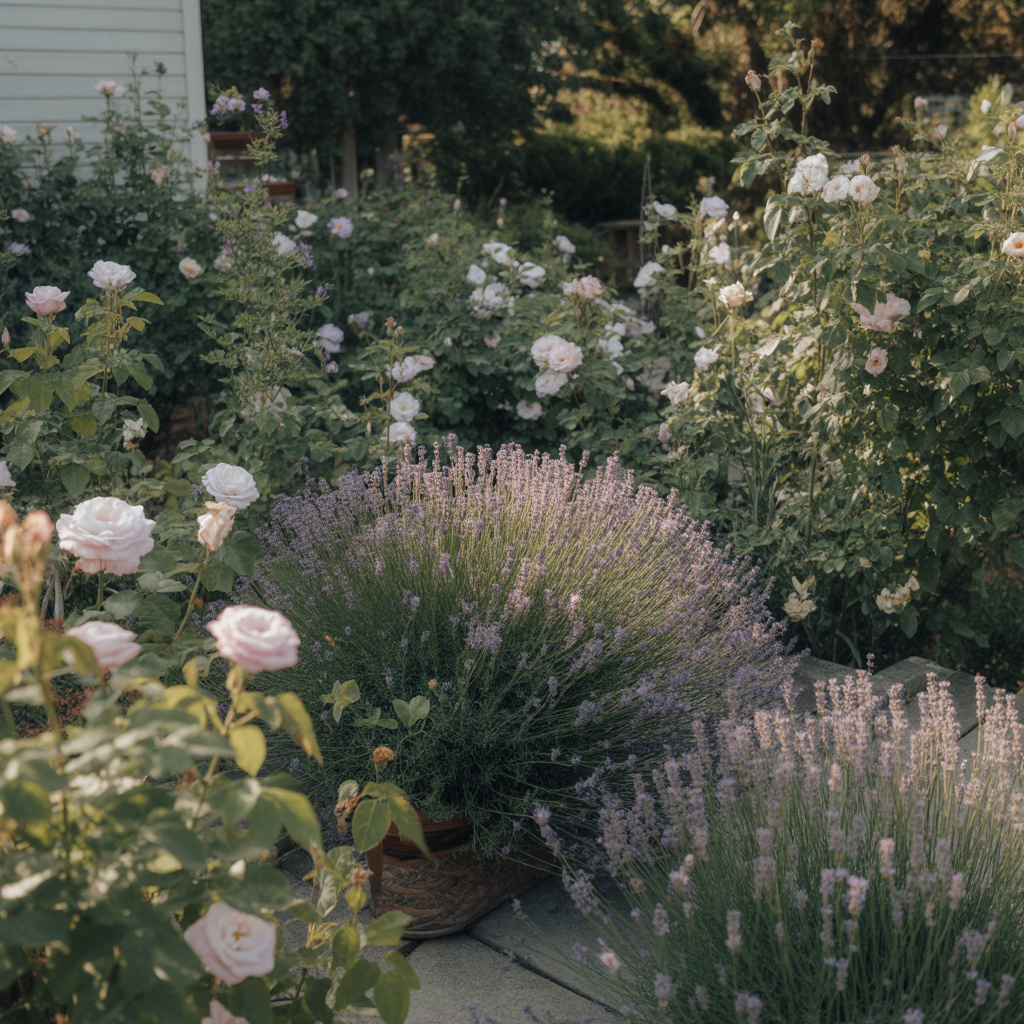
An outdoor oasis should engage all senses — not just sight. Fragrant flowers introduce scent, making the garden feel immersive and memorable. Plants like jasmine, lavender, and roses release calming aromas that enhance relaxation and emotional connection to the space.
Place fragrant flowers near seating areas, pathways, or entry points where their scent can be fully appreciated. Combining fragrance with soft colors creates a romantic, calming mood. These plants also attract pollinators, adding movement and life.
Scented gardens feel luxurious because they create a deeper sensory experience. Even a small area dedicated to fragrance can transform how the entire backyard feels.
20. Open Lawn with Soft Borders
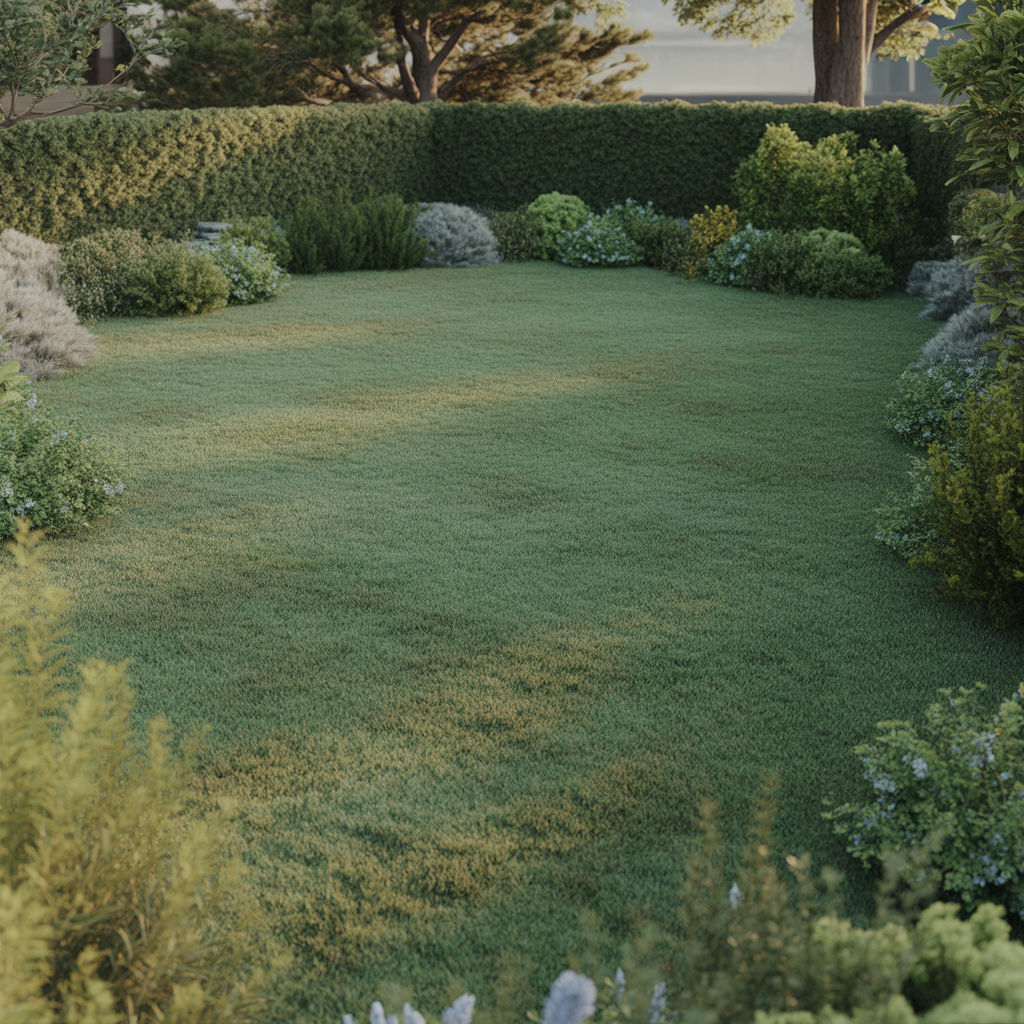
An oasis doesn’t need to be overcrowded. Open lawn space creates breathing room, making the backyard feel calm and spacious. The key is framing the lawn with soft, layered borders of shrubs and flowers to maintain structure without clutter.
This balance between openness and greenery creates harmony. The lawn provides visual rest while the borders add texture and color. Curved edges feel natural and relaxing compared to rigid straight lines.
An open lawn also increases functionality — space for play, yoga, or gatherings — while still feeling elegant and intentional.