
22 Gardening Problems Solved with Simple Hacks
There’s nothing quite like walking out to check on your garden and spotting a new problem you swear wasn’t there yesterday. One tray of seedlings is leaning like spaghetti, your pots are either bone-dry or soaking wet, and a once-green plant suddenly has yellow leaves for no clear reason. It’s enough to make even an excited beginner wonder what they’re doing wrong.
The good news is that most garden troubles are normal. Truly. Even experienced gardeners deal with the same frustrating issues again and again. The difference is that over time, they collect simple little fixes that make everything easier. Not expensive fixes. Not complicated fixes. Just smart, practical hacks that solve the problem before it gets worse.
In this post, we’re going through the most common gardening problems and the simple tricks that can help you fix them fast. These are easy, beginner-friendly ideas you can actually use in real life—whether you have a few patio pots, a raised bed, or a small backyard garden.
Let’s start with the first five.
1. Seedlings Keep Growing Tall and Floppy
The problem
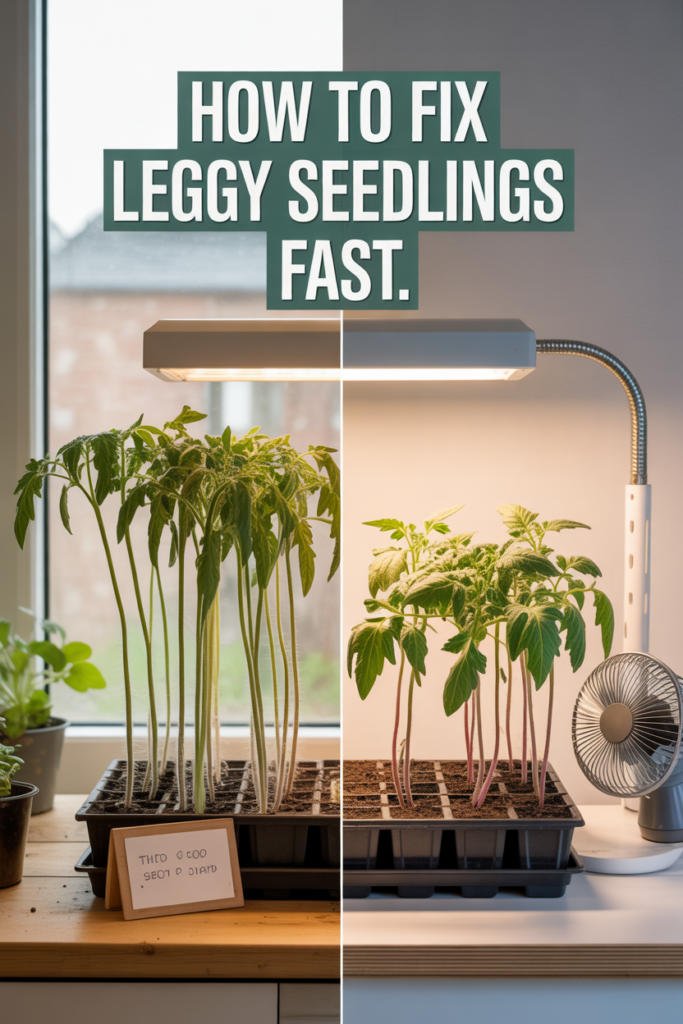
You start seeds indoors with the best intentions, and at first everything seems fine. Then suddenly the seedlings get tall, thin, and wobbly. Instead of looking sturdy and healthy, they look like they’re stretching desperately and falling over under their own weight.
This happens because the seedlings are not getting enough strong light. They stretch toward the nearest light source, which creates long weak stems. A lack of airflow can make the problem even worse because the stems never get the gentle stress they need to strengthen.
The simple hack
Move the seedlings much closer to a grow light or your brightest window, and place a small fan nearby on a low setting. The stronger light helps prevent stretching, while the airflow encourages the stems to grow thicker and tougher.
The fan does not need to blast them. A soft breeze is enough. You want the seedlings to gently wiggle, not bend over in fear.
Why this works
Plants respond to their environment. Bright overhead light tells them to grow compact and steady. Light airflow mimics outdoor conditions and helps build stronger stems. Together, these two changes often fix the issue quickly.
Real-life angle
A lot of gardeners notice this with tomato or zinnia seedlings. They look fine one week, then suddenly turn into tall, pale little threads. After moving the light down closer and adding airflow, the next round usually comes in much stronger.
2. Seeds Refuse to Germinate
The problem
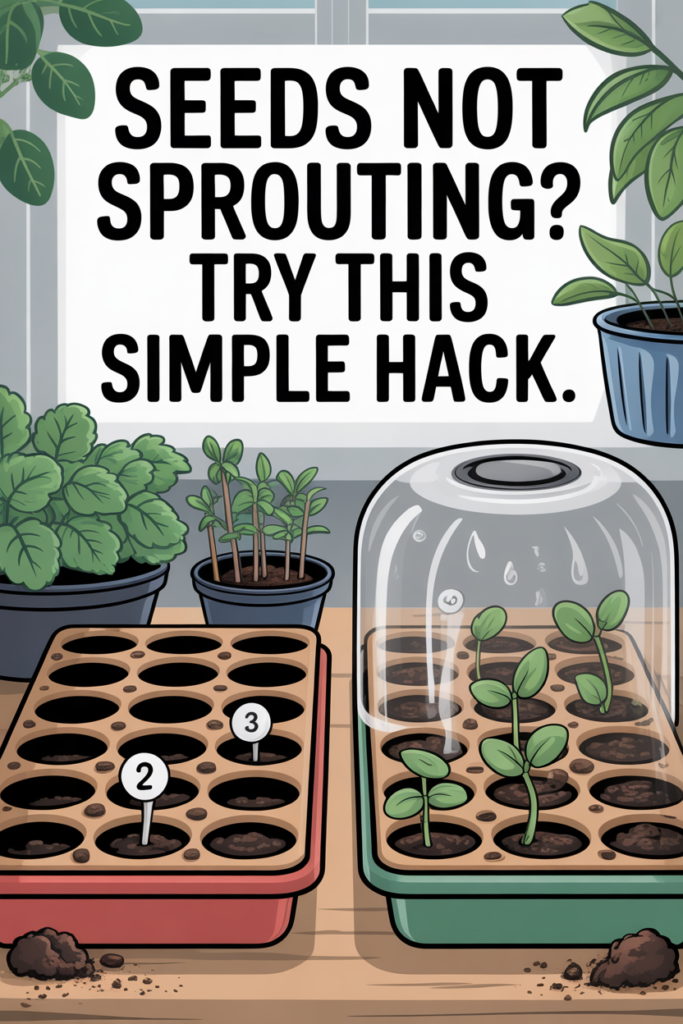
You plant your seeds, follow the packet, water carefully, and then wait. And wait. Nothing sprouts. It can feel like the seeds failed, but often the real issue is that the soil surface is drying out too fast between waterings.
Seeds need consistent moisture to wake up and sprout. If the top layer dries out again and again, germination can stall before it ever gets going.
The simple hack
Cover your seed tray with a humidity dome or a loose layer of plastic wrap until the seeds sprout. This helps trap warmth and moisture so the seed-starting mix stays evenly damp.
As soon as you see germination, remove the cover to let in airflow and reduce the risk of mold.
Why this works
A seed needs a stable environment to sprout well. The humidity cover creates a mini greenhouse effect, helping the soil stay moist without needing constant rewatering. That consistency is often the missing piece.
Real-life angle
This is especially helpful with herbs and tiny seeds like basil or lettuce. They often struggle when the top layer dries out every afternoon, especially in warm indoor spaces.
3. Soil Dries Out Too Fast
The problem
You water in the morning, and by late afternoon the soil already feels dry again. This is one of the most common summer gardening frustrations, especially in containers, hanging baskets, and raised beds that heat up quickly.
When moisture evaporates too fast, plants become stressed. Leaves may droop, growth slows down, and you end up stuck in a constant cycle of watering.
The simple hack
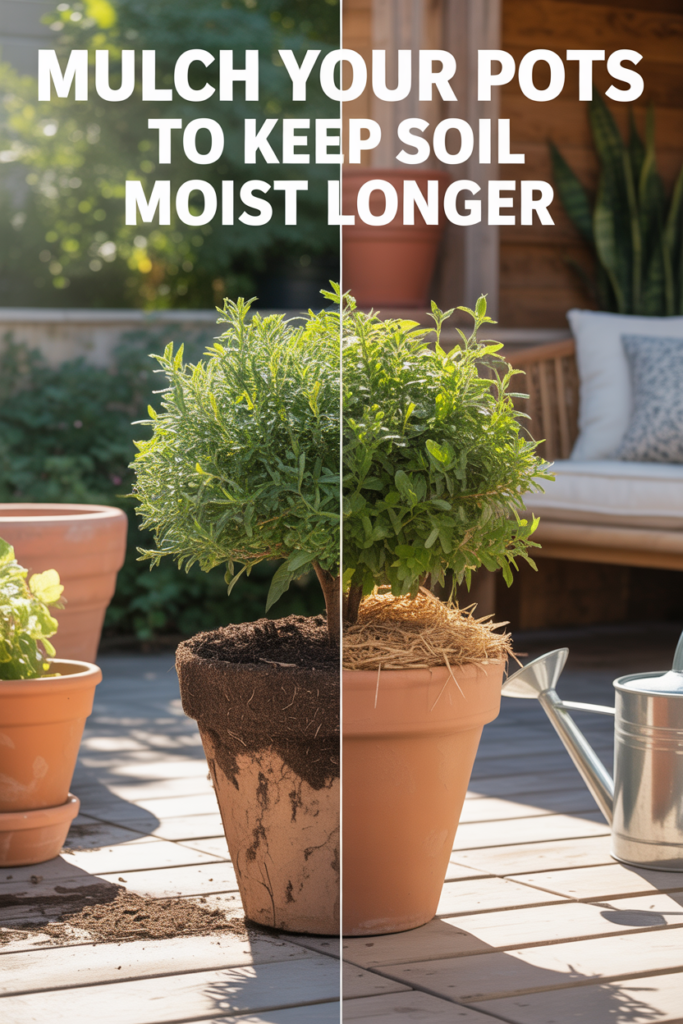
Add mulch on top of the soil. Even a light layer can make a big difference. Use straw, bark chips, shredded leaves, pine needles, or coconut coir—whatever fits your garden style and plant type.
And do not skip mulch just because you are growing in pots. Container gardens benefit from it too.
Why this works
Mulch acts like a barrier between the sun and the soil. It helps hold moisture in, keeps roots cooler, and reduces how quickly the top layer dries out. It also gives your garden a neater, more finished look.
Real-life angle
This hack is a lifesaver for patio gardeners. A container that used to need water twice a day can often stay evenly moist much longer with just a simple mulch layer added on top.
4. Pots Stay Soggy After Watering
The problem
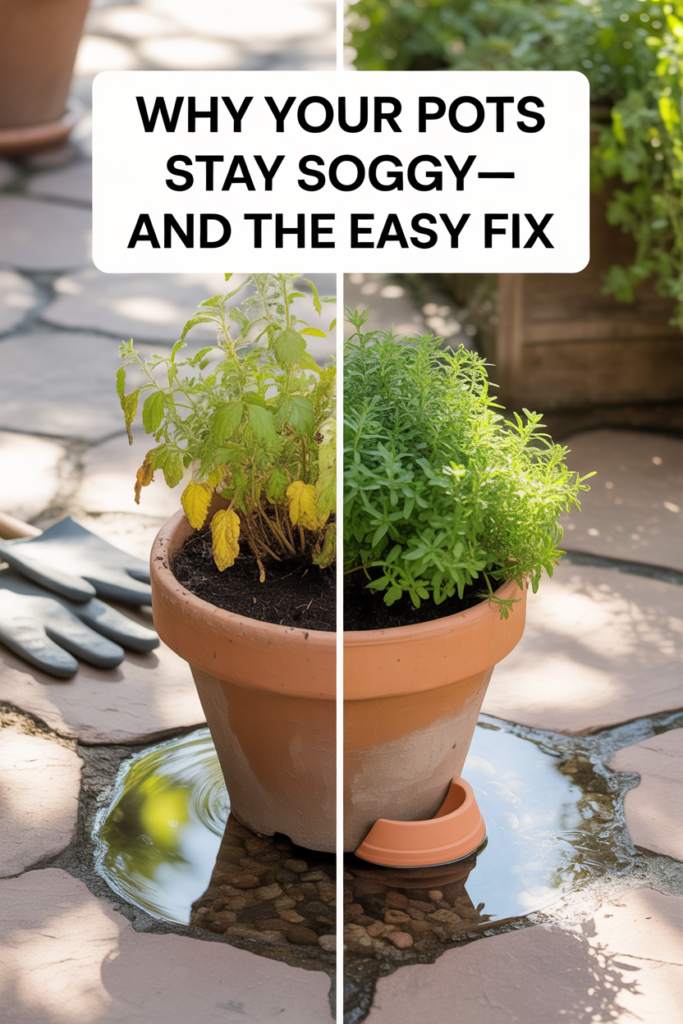
Sometimes the issue is not dryness at all. Instead, your containers stay wet for too long, and plants start showing signs of stress. Leaves may yellow, growth may slow, and the soil can smell stale or swampy.
This often happens when containers sit flat on a patio, deck, or hard ground and the drainage holes cannot release water properly.
The simple hack
Raise your pots slightly using pot feet, bricks, stones, or small wooden blocks. This gives excess water a way to drain out freely and allows airflow under the container.
It is a tiny adjustment, but it can completely change how your pots perform.
Why this works
Roots need oxygen just as much as they need water. When water gets trapped, roots stay overly wet and stressed. Raising the pot improves drainage and reduces the chance of rot.
Real-life angle
This is a common problem with herb containers. Rosemary, thyme, oregano, and lavender especially dislike sitting in soggy soil. Once lifted, they often recover and start growing more happily.
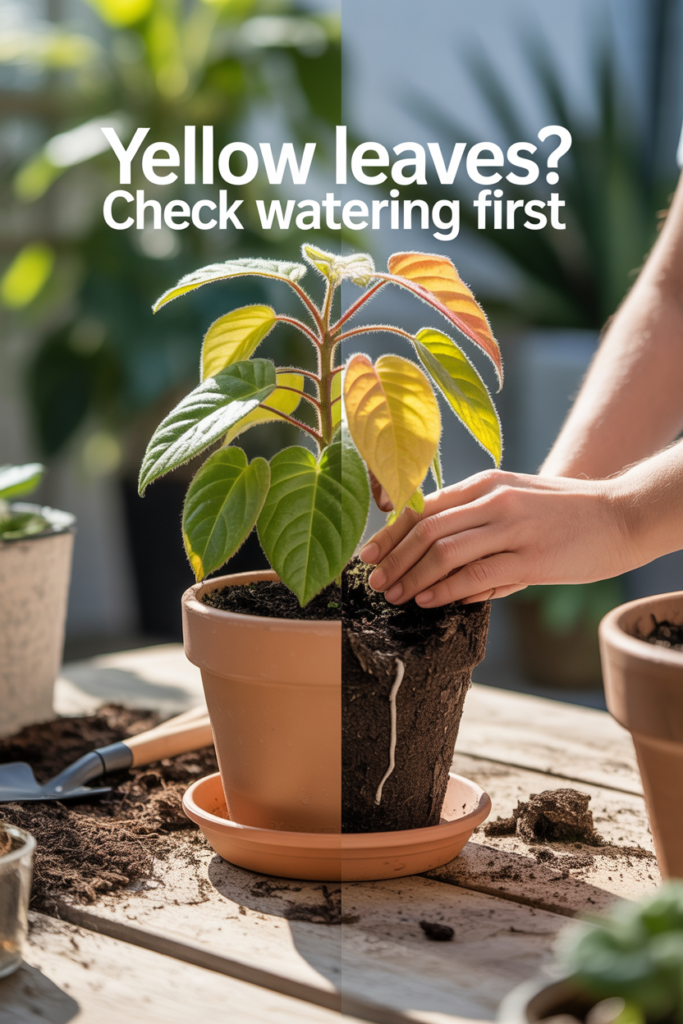
5. Yellow Leaves Keep Appearing
The problem
Few things make gardeners panic faster than yellow leaves. The first instinct is often to grab fertilizer, but yellowing does not automatically mean your plant is hungry. In fact, one of the most common causes is inconsistent watering.
Too much water can suffocate roots. Too little water can stress the plant badly enough to cause yellowing too. That is why guessing can lead you in the wrong direction.
The simple hack
Before adding anything, check the soil moisture with your finger a couple of inches down. If it is soggy, water less often. If it is dry deeper down, water more consistently. Once watering is stable, then you can decide whether nutrients are actually needed.
Why this works
This helps you solve the real issue instead of layering on more problems. Fertilizer cannot fix roots that are stressed from bad watering habits. A simple moisture check gives you a much clearer picture of what your plant actually needs.
Real-life angle
This is especially common with peppers, pothos, basil, and many beginner-friendly plants. People often think the plant needs “more food,” when really it just needs a better watering rhythm.
6. Weeds Take Over Too Fast
The problem
You clear a bed, step back feeling proud, and somehow a week later it looks like the weeds threw a party while you were gone. This is one of the most exhausting gardening problems because it never seems fully finished. Pulling weeds again and again can make gardening feel more like a chore than a hobby.
The bigger issue is that weeds compete with your flowers, herbs, and vegetables for water, light, and nutrients. So even if they look harmless at first, they can quickly crowd out the plants you actually want.
The simple hack
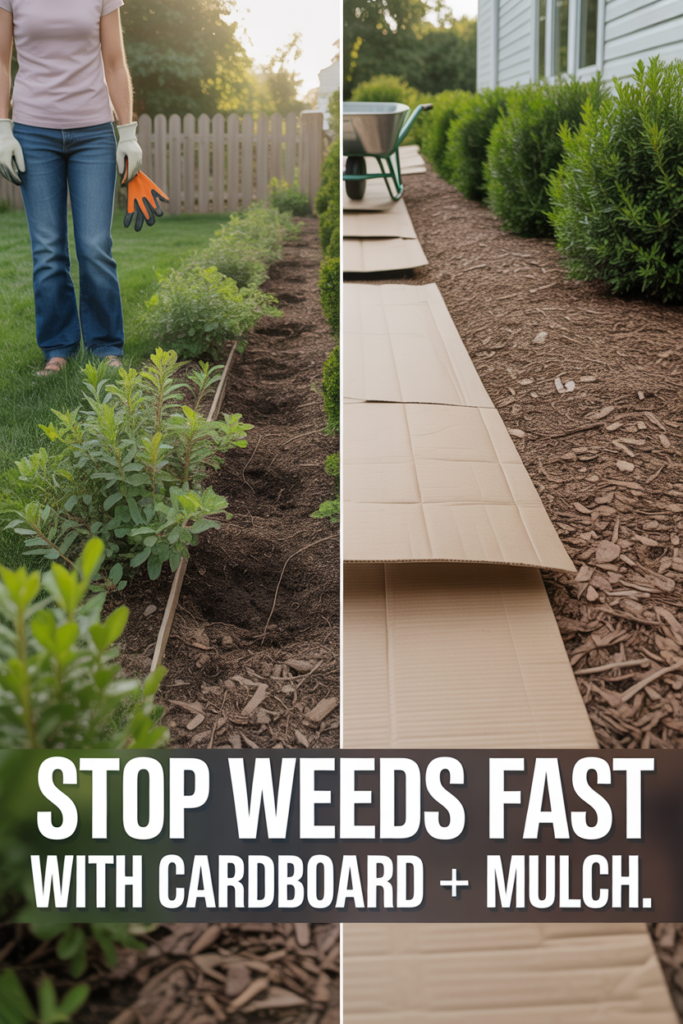
Lay plain cardboard over the soil and cover it with a layer of mulch. This is one of the easiest DIY garden solutions for cutting down weeds without spending hours hand-pulling every single sprout.
Use plain brown cardboard without glossy printing or heavy tape. Wet it slightly so it molds to the soil, overlap the edges so weeds cannot sneak through gaps, and then top it with mulch such as bark, wood chips, straw, or shredded leaves.
Why this works
The cardboard blocks sunlight, which smothers existing weeds and stops many new ones from sprouting. The mulch on top keeps everything in place, helps the bed look tidy, and improves moisture retention too. So you are fixing more than one problem at once.
Real-life angle
This hack is especially useful for neglected side beds, along fences, or around shrubs where weeds always seem to come back. Instead of fighting the same patch over and over, you can reset the area in one solid weekend.
7. Slugs Chew Seedlings Overnight
The problem
You go to bed with a tray of healthy lettuce, marigolds, or bean seedlings, and by morning the leaves look shredded or half gone. It feels almost personal. Slugs are sneaky little garden troublemakers, and they love tender young plants.
Because they come out mostly at night or during damp weather, many gardeners do not realize what is causing the damage until it keeps happening.
The simple hack
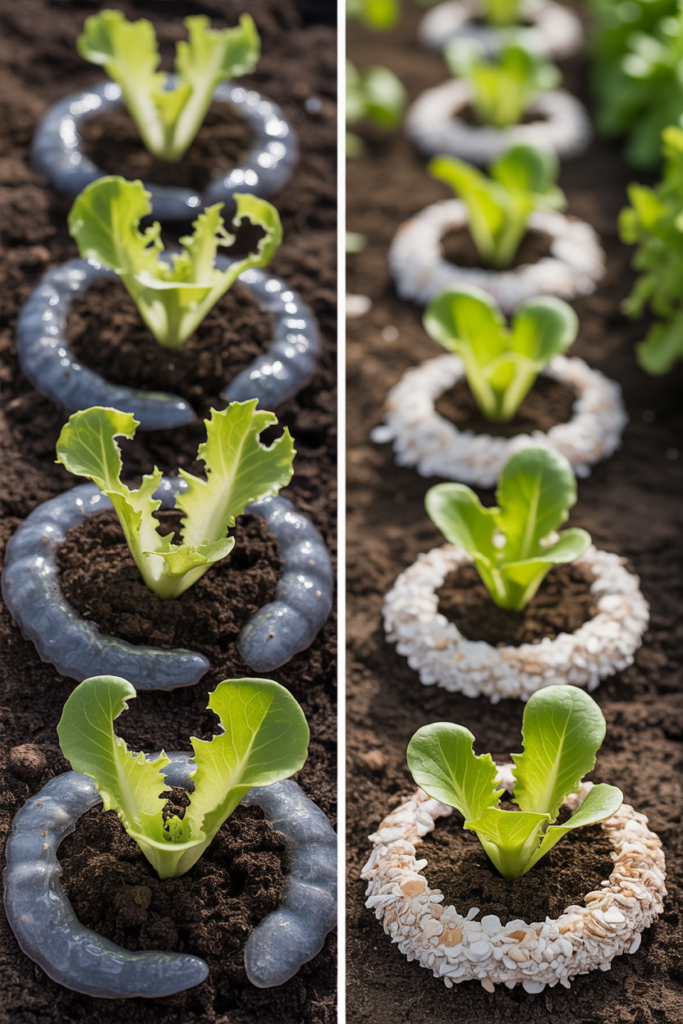
Use rough barriers around vulnerable seedlings and reduce damp hiding spots nearby. Crushed eggshells, coarse sand, or other rough-textured materials can be placed around the base of plants. At the same time, clear away soggy mulch piles, boards, and dense debris where slugs hide during the day.
You are not just blocking the slug. You are also making the area less inviting.
Why this works
Slugs prefer cool, moist, sheltered spaces and easy access to soft leaves. A rough barrier can make it harder for them to reach the plant, while cleanup removes the cozy little hiding places that let them stay close by.
Real-life angle
This is a classic spring problem. A gardener plants out fresh seedlings, gets excited, and then wakes up to ragged leaves and missing stems. Often the turning point is not one fancy product. It is simply protecting the base of the plant and drying out the area a bit.
6. Weeds Take Over Too Fast
The problem
You clear a garden bed, step back feeling accomplished, and somehow within days the weeds are back like nothing ever happened. It’s frustrating, time-consuming, and honestly one of the main reasons many beginners lose motivation.
Weeds don’t just look messy—they compete with your plants for water, sunlight, and nutrients. Left unchecked, they can slow down growth and reduce your harvest without you even realizing it.
The simple hack
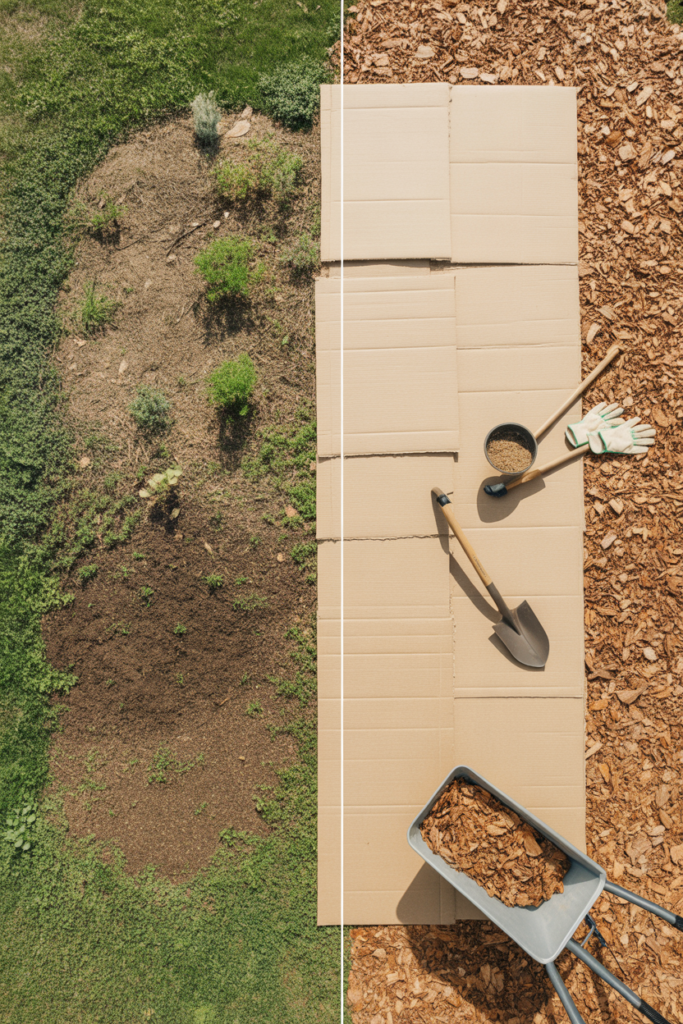
Lay down plain cardboard directly over the soil, then cover it with a thick layer of mulch.
Use:
- Brown cardboard (no glossy print)
- Overlapping layers to block gaps
- Mulch like bark, straw, or wood chips on top
Wet the cardboard slightly so it molds to the soil and stays in place.
Why this works
Cardboard blocks sunlight, which prevents weeds from growing. Meanwhile, the mulch layer keeps everything secure, improves moisture retention, and gives your garden a clean, finished look.
Real-life angle
This works especially well for areas that always seem to get overrun—like fence lines, pathways, or neglected corners. Instead of constantly pulling weeds, you stop them at the source.
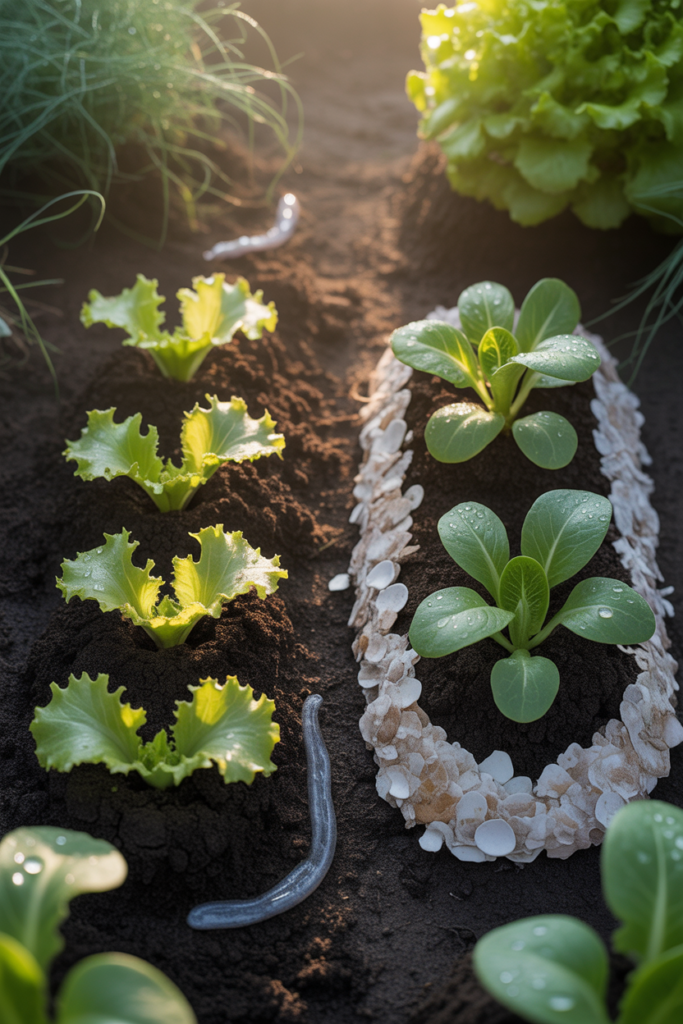
7. Slugs Chew Seedlings Overnight
The problem
You plant healthy seedlings, everything looks great, and then overnight the leaves are full of holes—or worse, completely gone. It feels like something attacked your plants while you were sleeping… because it did.
Slugs love tender, young plants and thrive in damp environments. They usually come out at night, so you rarely catch them in action.
The simple hack
Create a protective barrier around your seedlings using rough materials like crushed eggshells or coarse sand. At the same time, clean up damp hiding spots nearby such as thick mulch piles, boards, or debris.
Why this works
Slugs prefer smooth, moist paths. Rough textures make movement uncomfortable, and removing hiding spots makes your garden less attractive to them in the first place.
Real-life angle
This is a common issue with lettuce, basil, and marigolds. Many gardeners notice that once they tidy the area and protect the base of the plant, the damage suddenly drops.
8. Aphids Cover New Growth
The problem
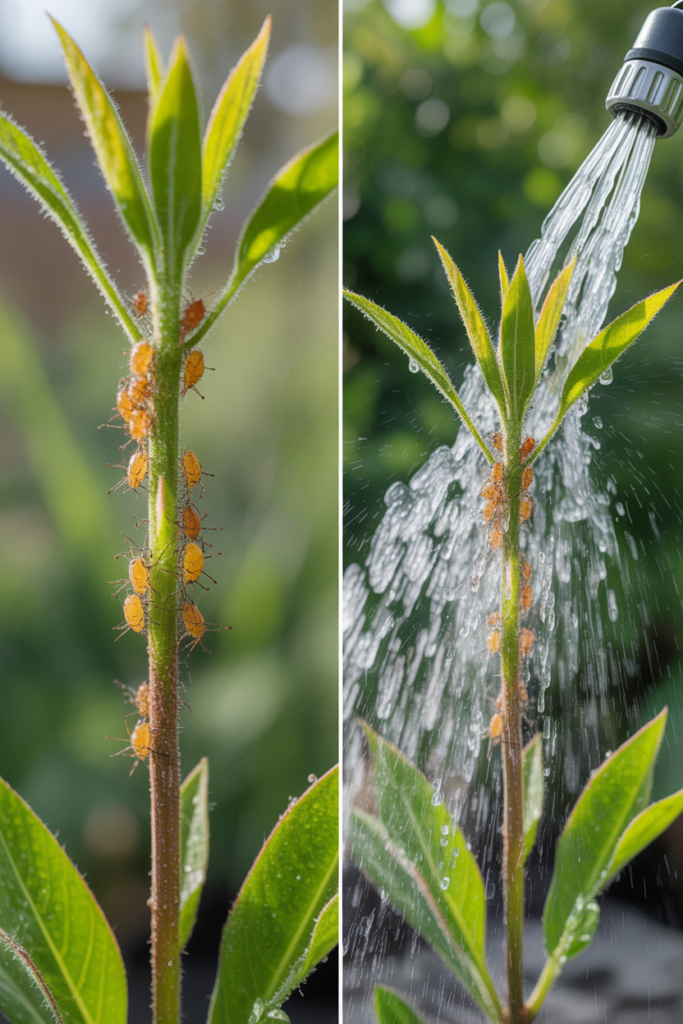
You check your plants and suddenly notice tiny bugs clustered around new leaves and stems. Aphids multiply quickly, and before you know it, they’re covering entire sections of your plant and weakening it.
They feed on plant sap, which can cause curling leaves, stunted growth, and overall stress.
The simple hack
Start with a strong spray of water to knock them off the plant. Focus on the undersides of leaves where they like to hide. Repeat daily if needed before moving to stronger treatments.
Why this works
Aphids are soft-bodied and easy to dislodge. A simple blast of water can dramatically reduce their numbers without chemicals, especially when caught early.
Real-life angle
This is very common with roses, peppers, and soft new growth. Many gardeners are surprised that something as simple as water can make such a big difference when done consistently.
9. Squirrels Dig Up Freshly Planted Pots
The problem
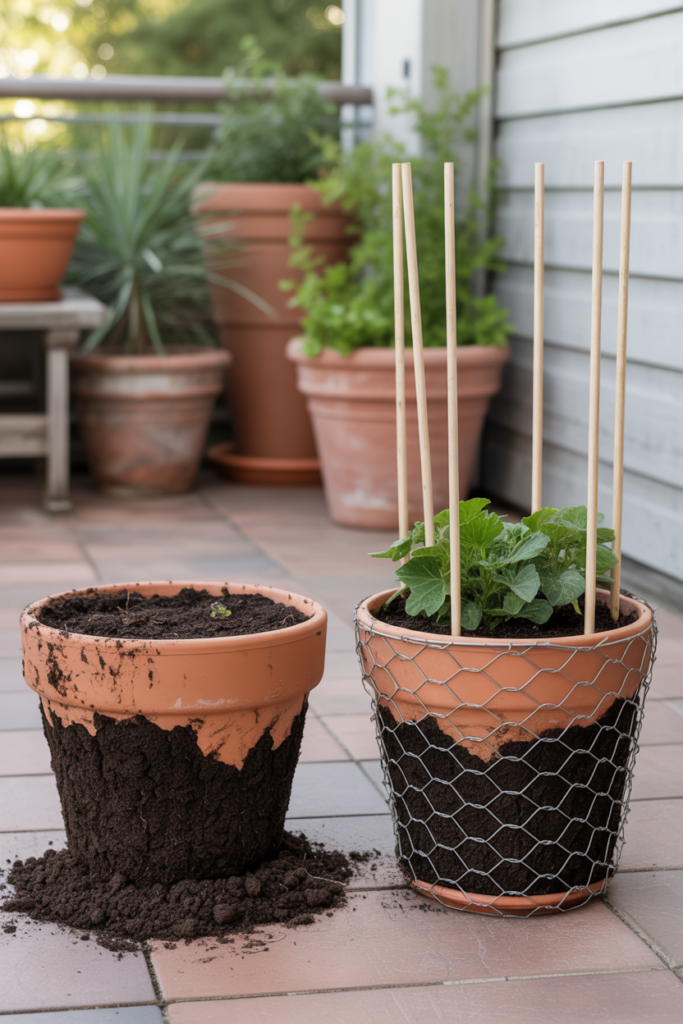
You carefully plant seeds or new plants in a container, only to come back and find the soil completely disturbed. Holes everywhere. Plants uprooted. It feels like your pots have become a playground for squirrels.
This is especially common right after planting, when the soil is loose and easy to dig.
The simple hack
Place a barrier across the soil surface using chicken wire, mesh, or even upright plastic forks spaced across the pot. This makes digging uncomfortable and discourages animals from returning.
Why this works
Squirrels are looking for easy, soft digging spots. Once the surface becomes difficult to dig into, they quickly lose interest and move on to easier targets.
Real-life angle
This happens a lot in urban and suburban gardens where squirrels are used to human spaces. A simple surface barrier can protect your plants during their most vulnerable stage.
10. Birds Steal Berries Before You Do
The problem
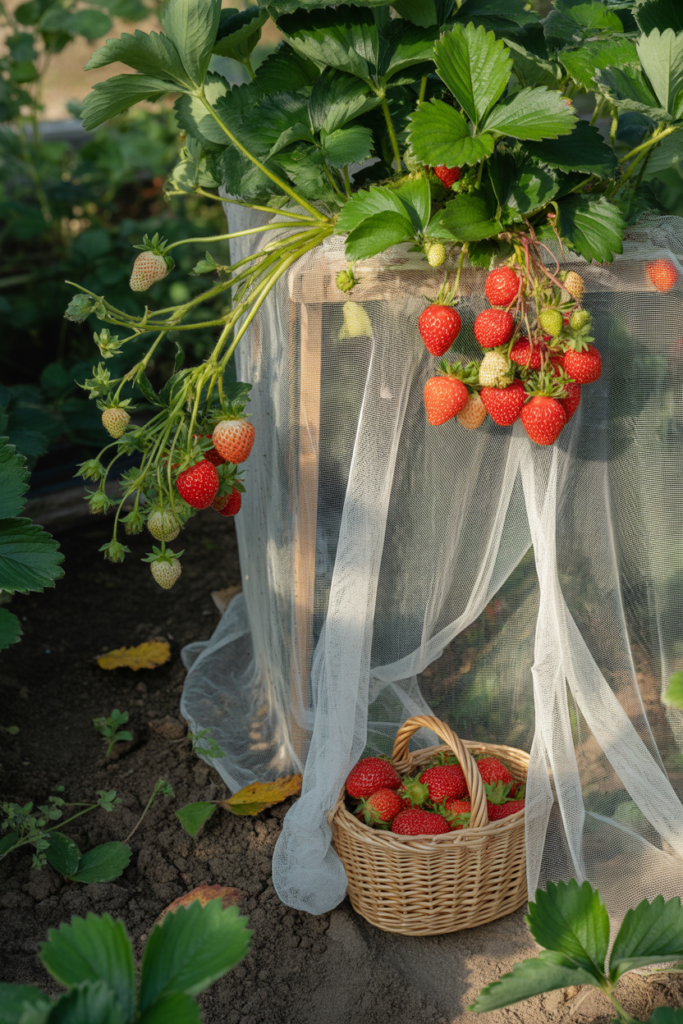
You wait patiently for your berries to ripen, checking them every day… and just when they’re ready, they disappear. Birds are quick, and they know exactly when fruit is at its sweetest.
It’s frustrating to lose your harvest right before enjoying it.
The simple hack
Cover your plants with lightweight garden netting before the fruit fully ripens. Secure it gently around the plant so birds cannot easily reach inside.
Why this works
Birds rely on visibility and easy access. Netting creates a physical barrier that protects your fruit without harming wildlife or the plant.
Real-life angle
This is especially common with strawberries, blueberries, and cherry tomatoes. Many gardeners only start protecting their plants after losing their first harvest—but doing it early makes all the difference.
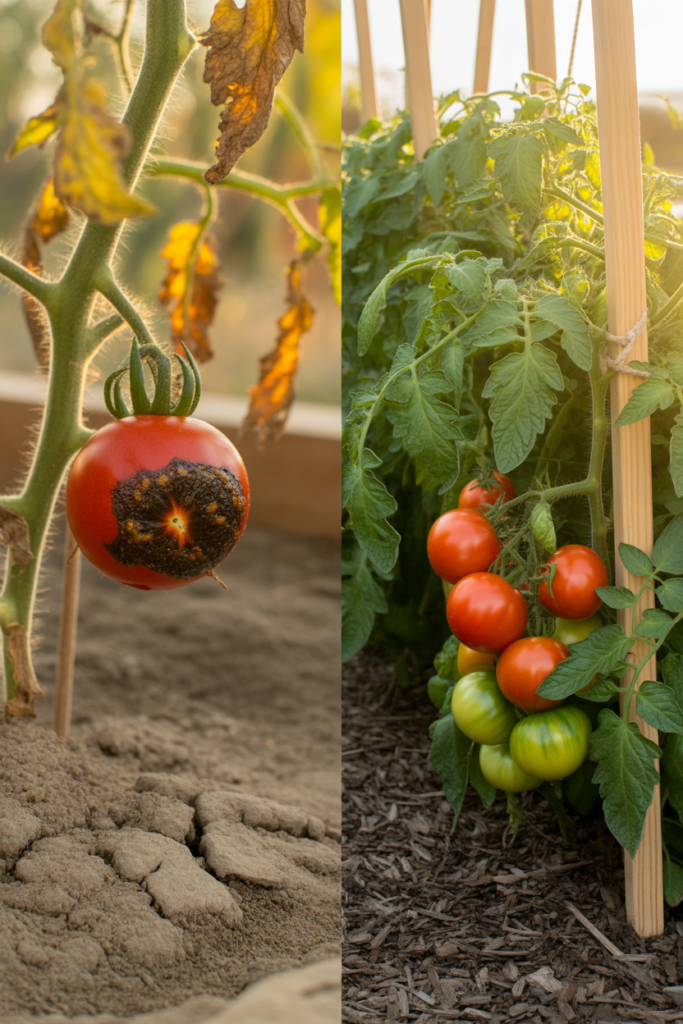
11. Tomato Plants Get Blossom End Rot
The problem
Your tomatoes start growing beautifully, and then suddenly the bottom of the fruit turns black, leathery, and sunken. It looks like a disease, and many gardeners panic, thinking the plant is ruined.
This issue, called blossom end rot, is actually very common—especially for beginners—and it’s usually caused by inconsistent watering, not a lack of fertilizer.
The simple hack
Keep your watering consistent and even. Instead of letting the soil swing between very dry and very wet, aim for steady moisture. Add a layer of mulch around the base of the plant to help stabilize the soil.
Why this works
Tomatoes need consistent moisture to properly absorb calcium from the soil. When watering is irregular, the plant cannot move nutrients effectively, and the fruit suffers.
Real-life angle
Many gardeners notice this early in the season when they are still figuring out a watering routine. Once they start watering more evenly and add mulch, new tomatoes usually grow normally again.
12. Plants Wilt in Afternoon Heat
The problem
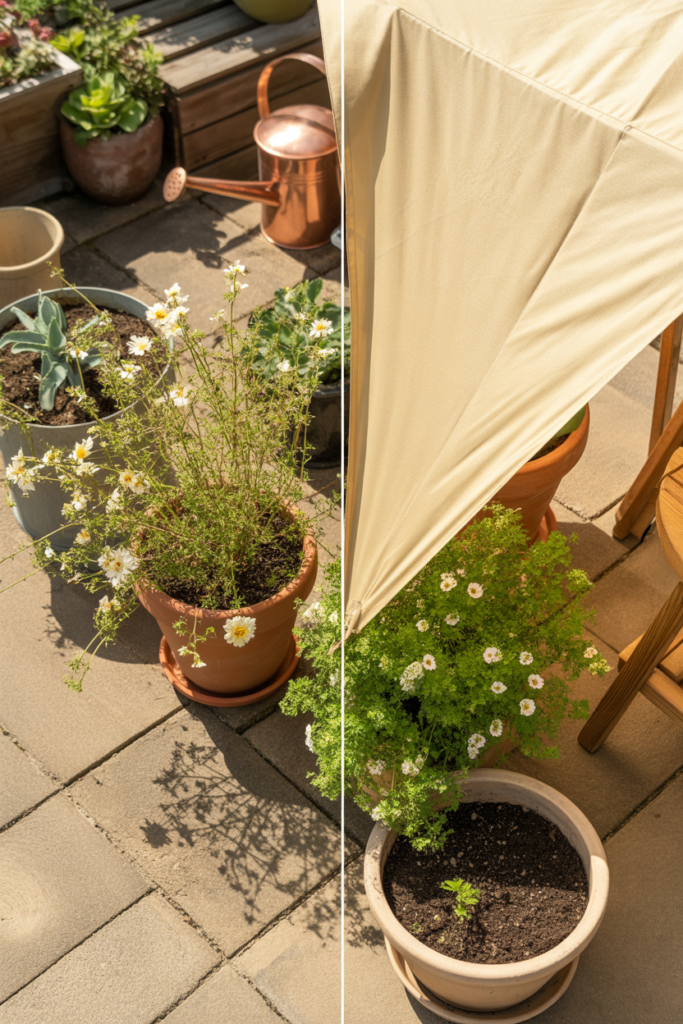
Your plants look perfectly fine in the morning, but by afternoon they appear droopy, tired, and stressed. This can be alarming, especially if you just watered them earlier.
Heat stress is a common issue, particularly in containers and raised beds where soil heats up quickly.
The simple hack
Water early in the morning and provide temporary shade during the hottest part of the day. You can use a simple umbrella, cloth, or shade cover to protect plants during peak sun hours.
Why this works
Morning watering ensures plants are hydrated before the heat hits. Shade reduces stress and slows down moisture loss, helping plants recover and stay healthier through hot afternoons.
Real-life angle
This is very common on patios and balconies where heat reflects off walls and floors. A little shade in the afternoon can completely change how plants handle summer days.
13. Hanging Baskets Dry Out in One Day
The problem
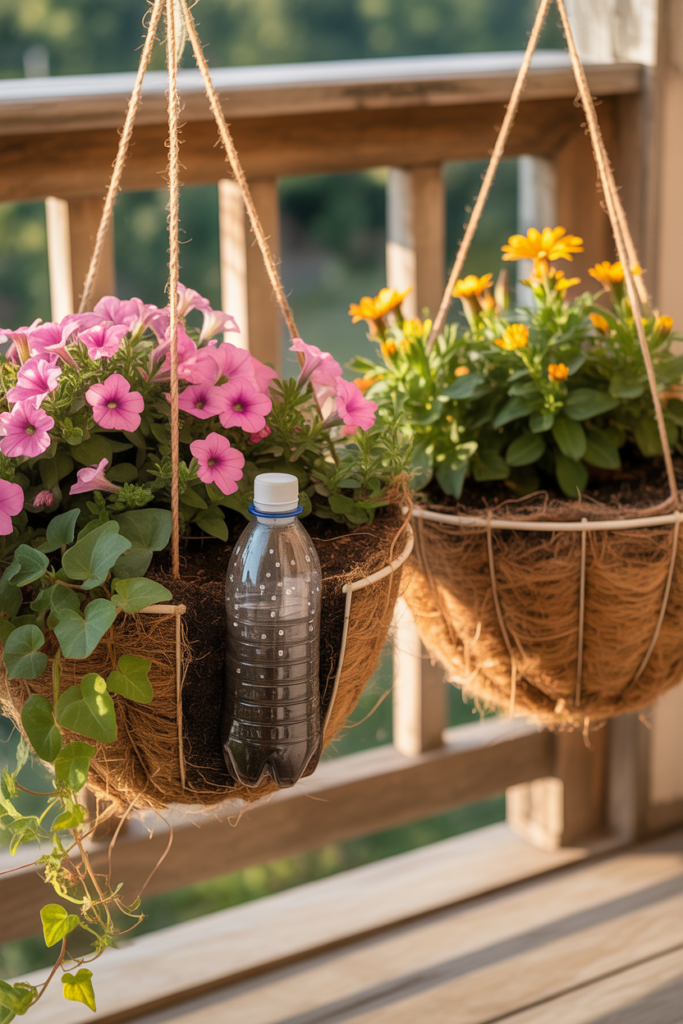
Hanging baskets are beautiful, but they can be incredibly high-maintenance. Because they are exposed to sun and air from all sides, they dry out much faster than regular pots.
Many gardeners find themselves watering once in the morning… and then again by evening.
The simple hack
Place a water-retaining solution inside the basket, such as a small bottle with tiny holes or a slow-release watering insert. This allows moisture to be released gradually throughout the day.
Why this works
Instead of all the water draining away quickly, the reservoir holds some of it and releases it slowly. This keeps the soil consistently moist and reduces how often you need to water.
Real-life angle
This is especially helpful for busy gardeners or during hot weather. A simple DIY setup can turn a high-maintenance basket into something much more manageable.
14. Compost Smells Bad
The problem
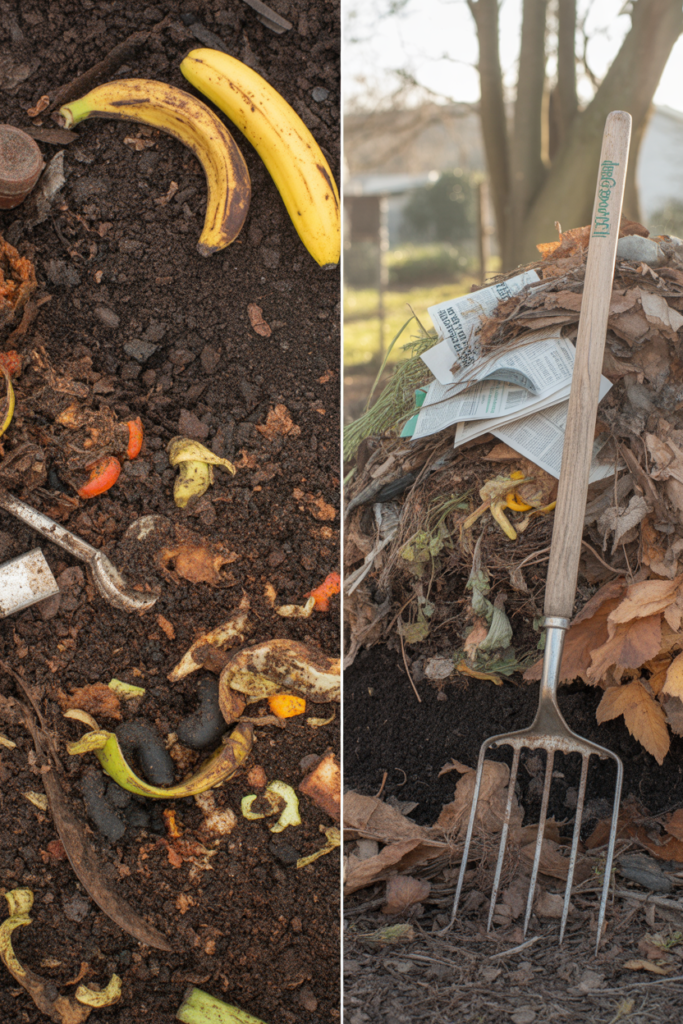
Composting sounds simple—until it starts to smell. Instead of a fresh, earthy scent, your compost pile may begin to smell sour, rotten, or unpleasant. This usually means something is out of balance.
The most common issue is too much “green” material (like food scraps) and not enough “brown” material (like dry leaves or paper).
The simple hack
Add more dry, carbon-rich materials such as shredded paper, cardboard, or dry leaves. Then turn the compost pile to introduce airflow.
Why this works
A healthy compost pile needs balance and oxygen. Browns help absorb excess moisture, and turning the pile prevents it from becoming compacted and smelly.
Real-life angle
This is a common beginner mistake—adding kitchen scraps without enough dry material. Once balanced, compost quickly returns to a neutral, earthy smell.
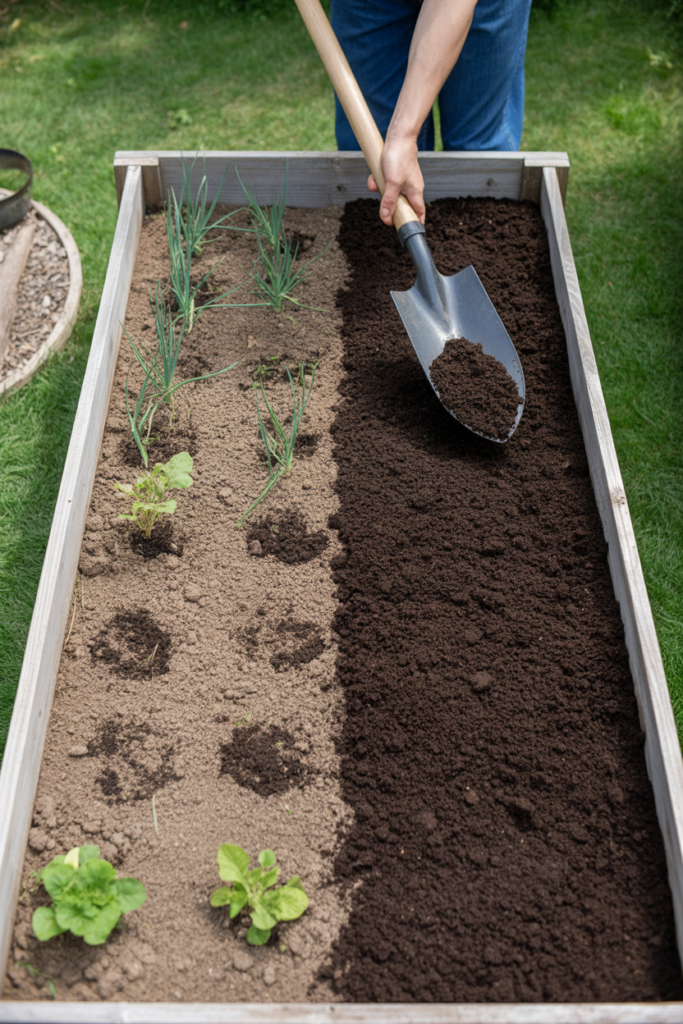
15. Soil in Raised Beds Looks Tired
The problem
After a season or two, raised bed soil can start to look compacted, dull, and less productive. Plants may not grow as vigorously, and harvests might decrease.
Many gardeners think they need to completely replace the soil, which can be expensive and time-consuming.
The simple hack
Top-dress your bed with fresh compost instead of digging everything out. Simply spread a layer on top and let natural processes work it into the soil.
Why this works
Compost adds nutrients, improves soil structure, and supports beneficial organisms. Over time, watering and soil life help integrate it naturally without heavy digging.
Real-life angle
This is one of the easiest ways to refresh a garden bed between seasons. A simple compost layer can bring tired soil back to life without starting from scratch.
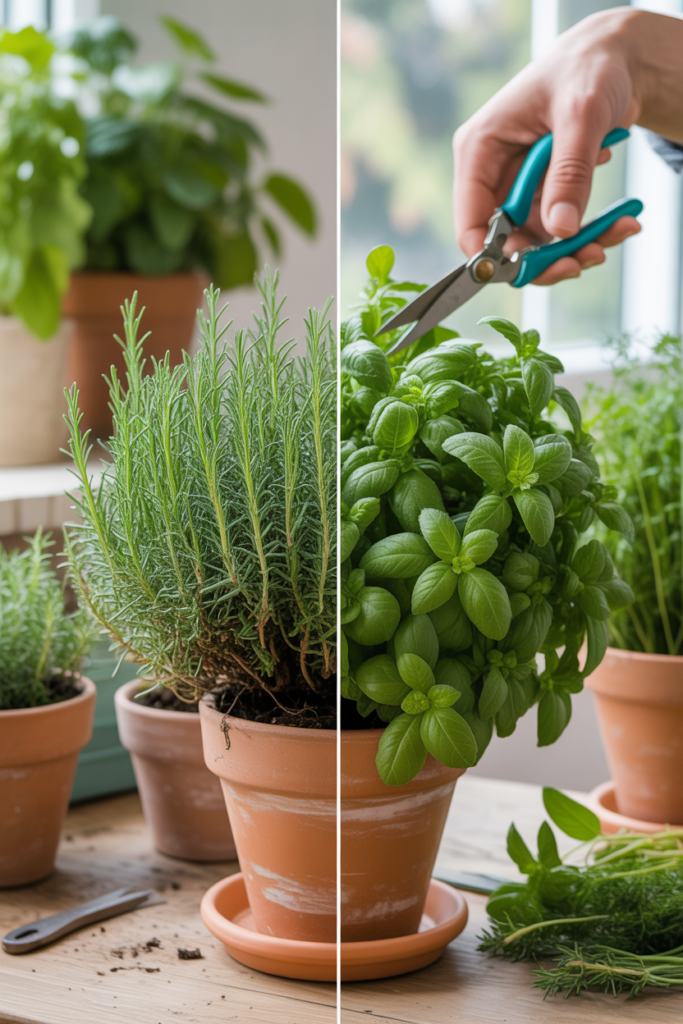
16. Herbs Turn Woody and Stop Producing
The problem
Your herbs start off lush, soft, and full of flavor—but after a while, they become tough, woody, and less productive. The leaves get smaller, stems get hard, and the plant just doesn’t seem as vibrant anymore.
This often happens when herbs are left to grow without regular harvesting.
The simple hack
Harvest your herbs little and often. Trim the top growth regularly instead of letting the plant grow tall and leggy. Focus on cutting just above a set of leaves to encourage branching.
Why this works
Frequent trimming tells the plant to produce more fresh growth instead of aging and hardening. It keeps herbs bushy, tender, and full of flavor.
Real-life angle
Basil, mint, parsley, and oregano all respond beautifully to regular harvesting. Gardeners often notice that the more they use their herbs, the better they grow.
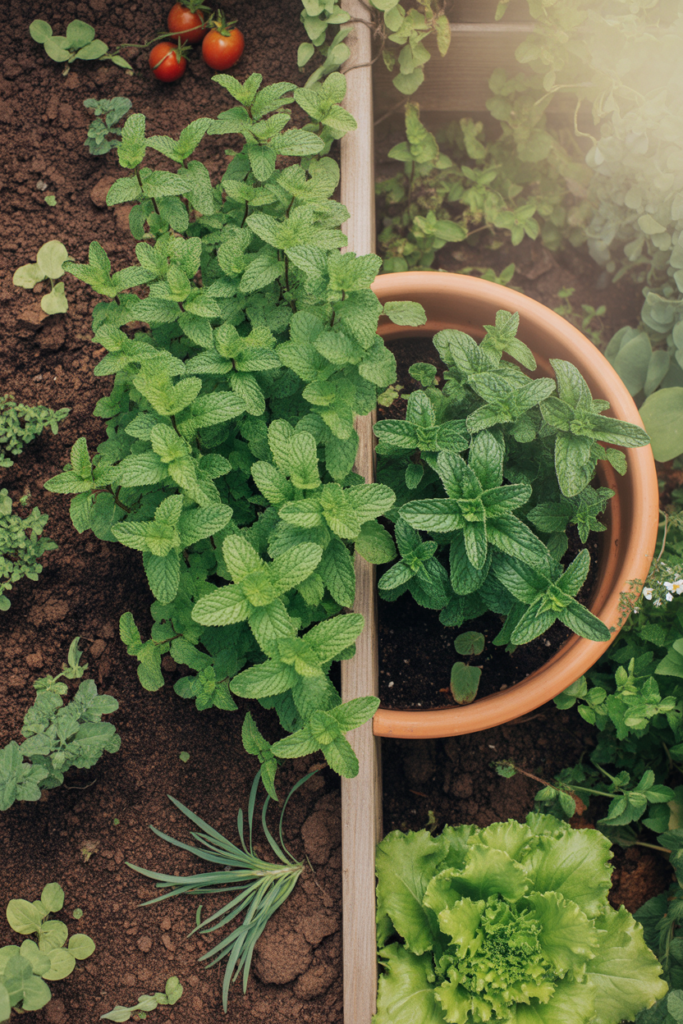
17. Mint or Other Spreaders Take Over
The problem
Some plants, like mint, start off as a small, harmless addition to your garden… and then suddenly they are everywhere. They spread aggressively underground and quickly take over nearby space.
Before you know it, they are crowding out other plants and becoming difficult to control.
The simple hack
Plant aggressive growers inside a container—even if you are placing that container into a garden bed. This keeps the roots contained and prevents them from spreading uncontrollably.
Why this works
The pot acts as a physical barrier, stopping roots from traveling freely through the soil. You still get the plant, just without the chaos.
Real-life angle
Many gardeners learn this the hard way with mint. What starts as a single plant can take over an entire bed in one season if not contained early.
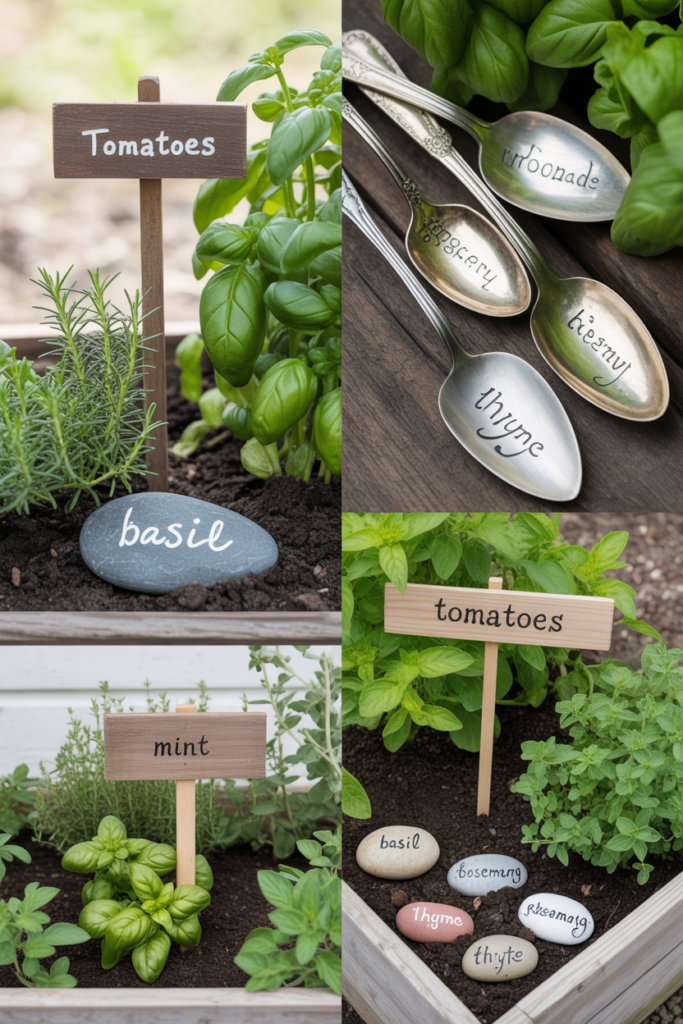
18. Plant Labels Fade or Go Missing
The problem
You carefully label your plants at the start of the season… and then weeks later, the writing fades, the labels disappear, or everything gets mixed up. Suddenly, you are guessing what is growing where.
This can be frustrating, especially when different varieties look similar early on.
The simple hack
Use durable, creative labeling options like painted rocks, old metal spoons, or engraved markers instead of flimsy plastic tags.
Why this works
These materials last longer outdoors and are less likely to fade or get lost. Plus, they add a decorative touch to your garden.
Real-life angle
This is especially helpful for vegetable gardens or seed trays where knowing what is planted matters. A simple upgrade in labeling can save a lot of confusion later.
19. Watering Takes Too Much Time
The problem
Daily watering can quickly become overwhelming, especially in hot weather or if you have multiple pots and beds. Missing even one day can leave plants stressed and struggling.
For many gardeners, this becomes one of the most time-consuming parts of maintaining a garden.
The simple hack
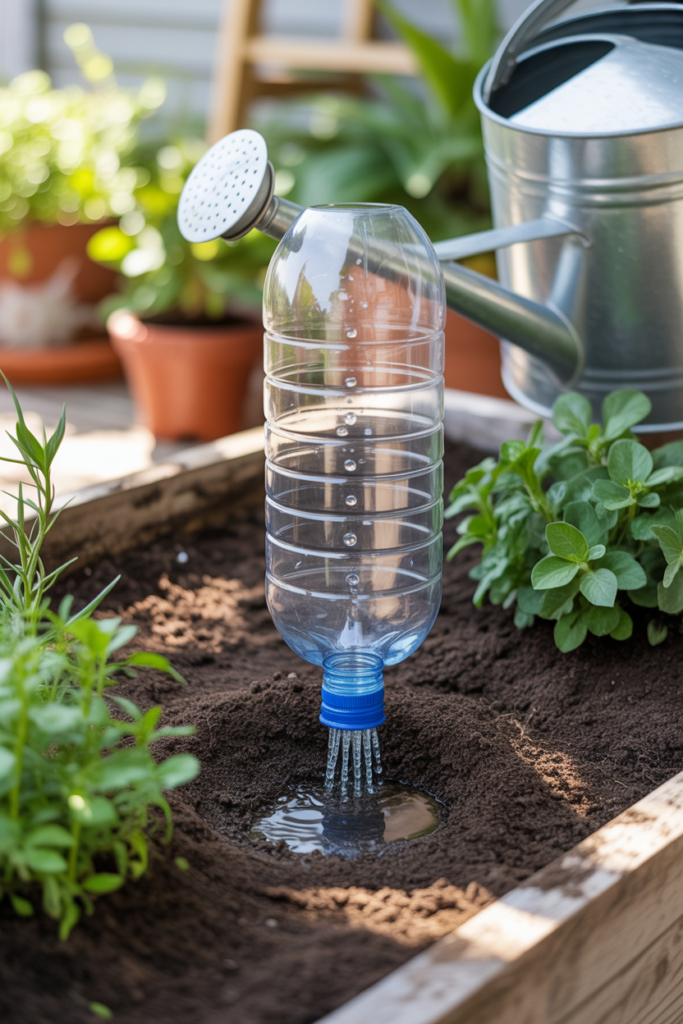
Create a simple drip system using a plastic bottle with small holes poked into it. Place it upside down or buried slightly in the soil so it slowly releases water over time.
Why this works
Instead of watering all at once, the bottle provides a slow and steady supply of moisture directly to the roots. This reduces water waste and keeps plants consistently hydrated.
Real-life angle
This is a great solution for busy schedules or short trips away from home. It is one of the easiest DIY garden solutions that actually saves time and effort.
20. Garden Paths Turn Muddy
The problem
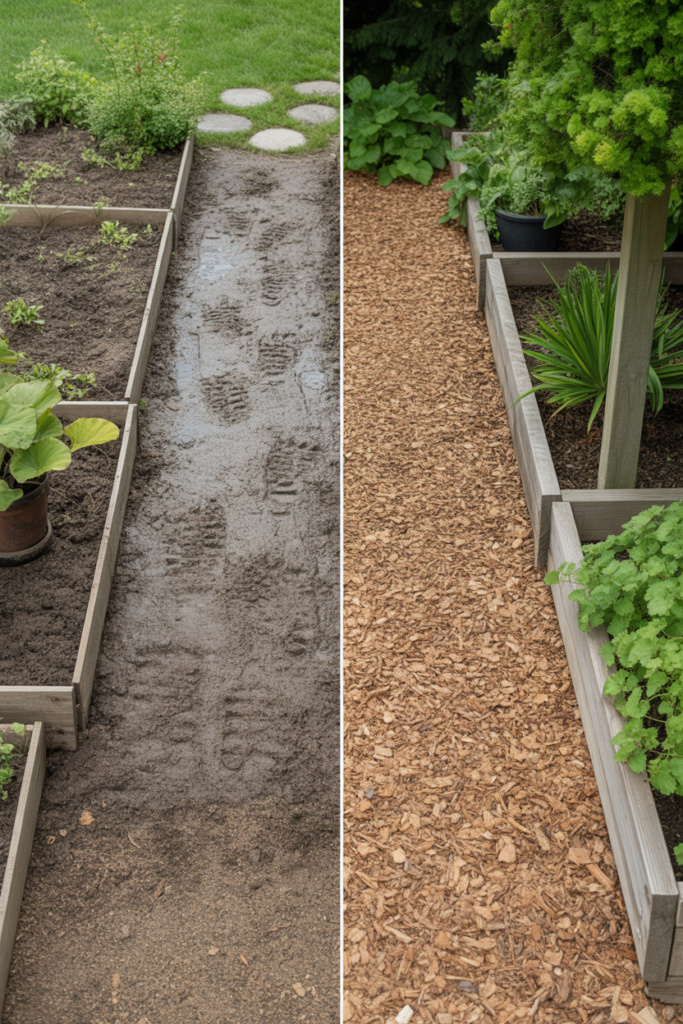
After rain or regular watering, garden paths can become muddy, slippery, and messy. Walking through your garden turns into a hassle, and soil can get compacted or tracked everywhere.
This not only looks untidy but can also damage nearby plants.
The simple hack
Lay cardboard as a base layer and cover it with wood chips, bark, or gravel to create a simple, stable path.
Why this works
The cardboard suppresses weeds underneath, while the top layer provides structure and improves drainage. Together, they create a cleaner, more durable walking surface.
Real-life angle
This is especially helpful in high-traffic areas between beds. A simple path upgrade can make your entire garden feel more organized and easier to maintain.
21. Pests Keep Returning to the Same Plants
The problem
You deal with pests once… maybe even twice… and then they come back again like nothing changed. It can feel like you are constantly reacting instead of actually solving the problem.
This usually happens when the underlying pattern in your garden stays the same. Planting the same crop in the same spot season after season makes it easy for pests to settle in and return.
The simple hack
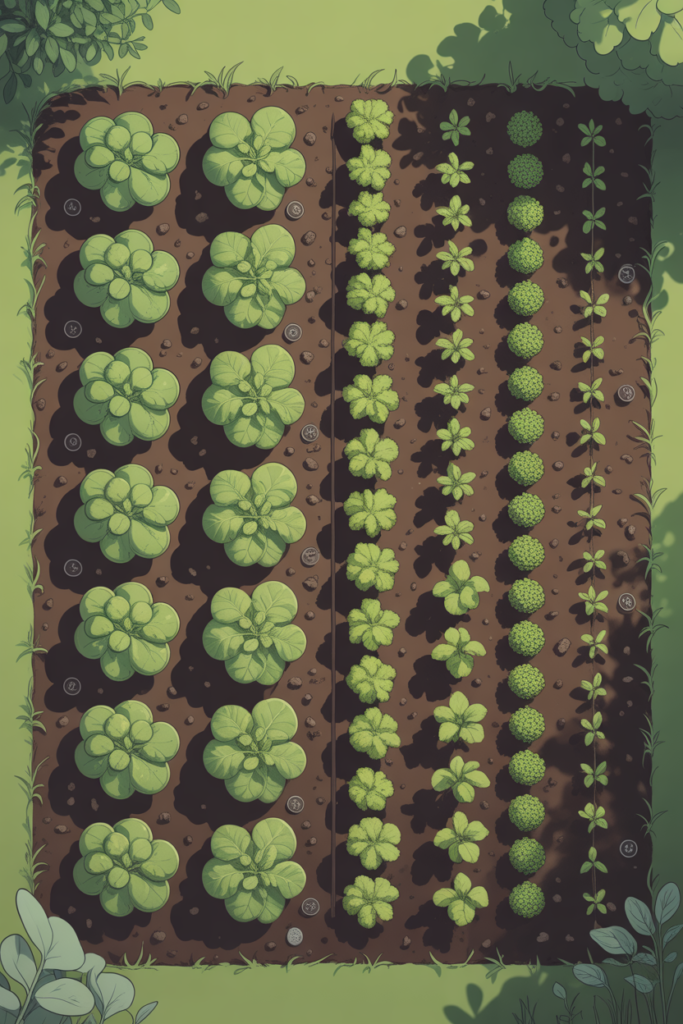
Rotate your crops and mix in companion plants. Change where you grow certain vegetables each season, and add plants that naturally help deter pests or attract beneficial insects.
Why this works
Many pests target specific plants. When those plants stay in the same place, pests build a predictable cycle. Rotating crops breaks that cycle, while companion planting adds natural balance to your garden ecosystem.
Real-life angle
This is especially noticeable with vegetables like tomatoes, cabbage, and beans. Gardeners often see repeated pest problems in the same bed—until they switch things up the following season.
22. You Forget What Worked Last Season
The problem
Every gardening season teaches you something… but if you do not write it down, it is easy to forget. What worked well, what failed, when you planted, when pests showed up—it all blurs together.
This often leads to repeating the same mistakes year after year.
The simple hack
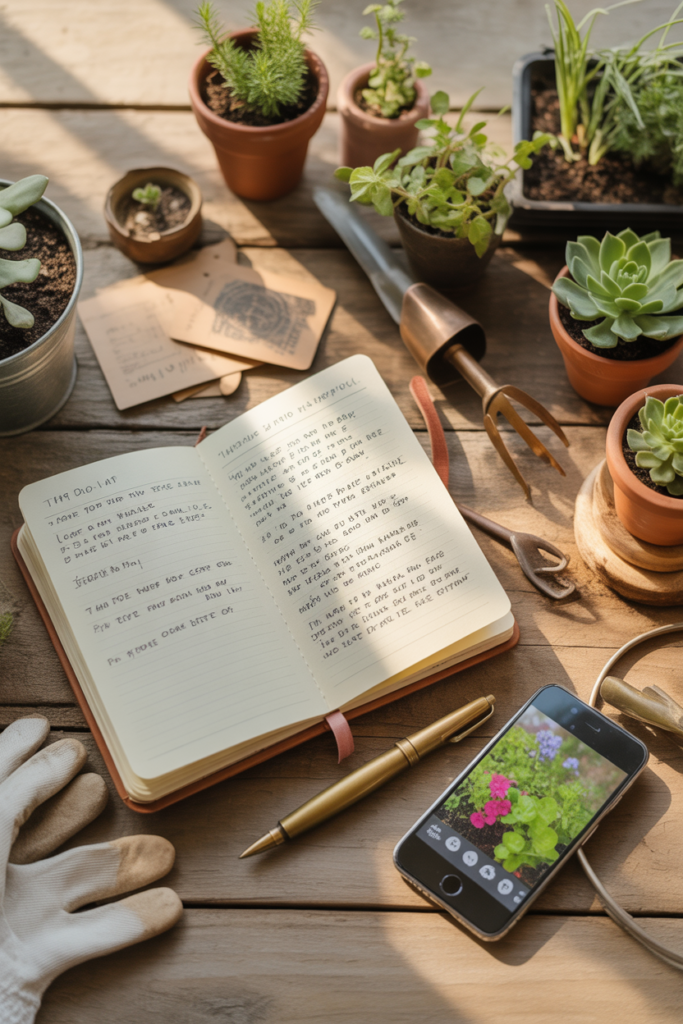
Keep a simple garden journal. It does not need to be complicated. Use a notebook or your phone to jot down quick notes, take photos, and track what happens throughout the season.
Why this works
Small observations add up. Over time, your notes become a personalized guide tailored to your specific garden conditions, climate, and habits.
Real-life angle
Many gardeners say this is the habit that changed everything. Even just a few photos and short notes can make the next season feel much more intentional and less like guesswork.
Gardening does not have to feel overwhelming. Most of the problems you run into—whether it is pests, poor soil, watering issues, or plant stress—are things every gardener faces at some point.
The difference is not perfection. It is knowing a few simple tricks that make those problems easier to handle.
These gardening hacks are not complicated, and that is exactly why they work. A piece of cardboard, a plastic bottle, a bit of mulch, or a small habit like journaling can completely change how your garden grows and how confident you feel managing it.
Start small. Try one or two of these fixes in your own space. As you go, you will build your own set of go-to solutions that make gardening more enjoyable and far less stressful.
And remember—every thriving garden you see started with someone figuring things out one simple hack at a time 🌱