
21 Garden Problems Every Beginner Faces (and Solutions)
You start gardening with excitement. You pick your plants, water them carefully, and imagine a space full of healthy greenery. But then… things start going wrong.
Leaves turn yellow. Soil dries too fast—or stays wet forever. Plants droop, stop growing, or just look unhappy for no clear reason.
If this sounds familiar, here’s something important to know: you are not doing anything wrong. These are normal garden problems that almost every beginner faces.
The difference between struggling and succeeding in gardening is not perfection—it’s understanding what your plants are trying to tell you.
In this guide, we’ll walk through the most common beginner garden problems and show you simple, practical solutions that actually work.
Let’s start with the first five—and honestly, fixing these alone can completely change how your garden performs.
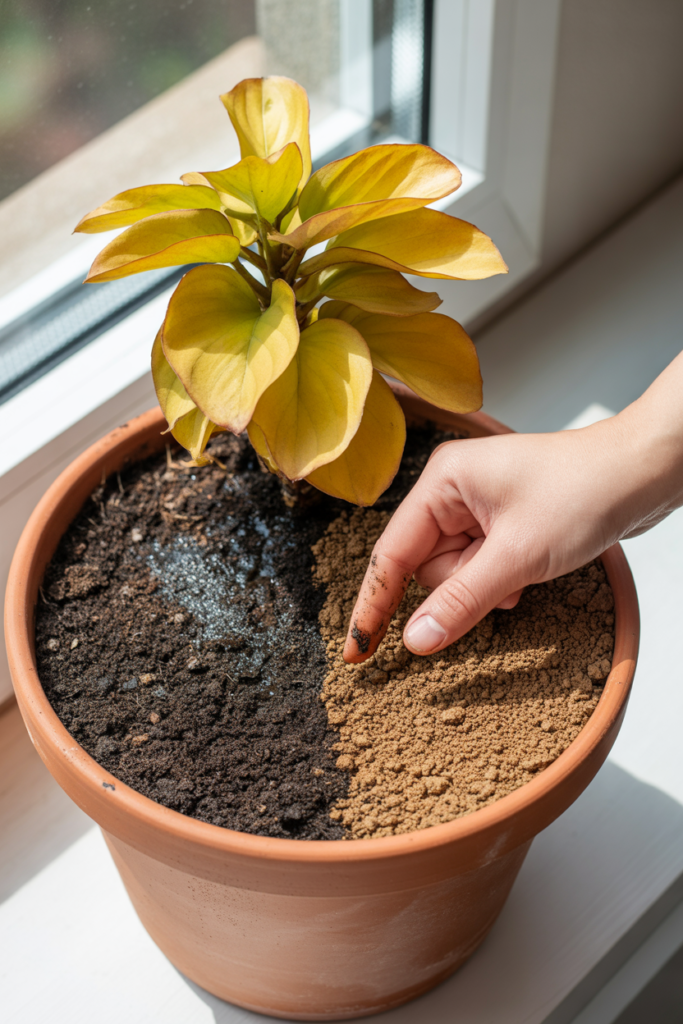
1. Leaves Turning Yellow
The problem
Yellow leaves are one of the most confusing garden problems. They can show up suddenly and make it feel like your plant is slowly dying.
The tricky part? Yellowing leaves can be caused by more than one issue—but most often, it comes down to watering problems.
The solution
Check your soil before doing anything else:
- If it feels soggy → reduce watering
- If it feels dry → water more consistently
Avoid guessing. Always check the soil first.
Why this works
Plants need a balance of water and oxygen. Too much water suffocates roots, while too little stresses them. Fixing watering usually solves the issue quickly.
Real-life example
A beginner waters their plant daily, thinking consistency helps. Leaves start turning yellow, but the real issue is overwatering—not lack of nutrients.
2. Soil Drying Too Fast
The problem
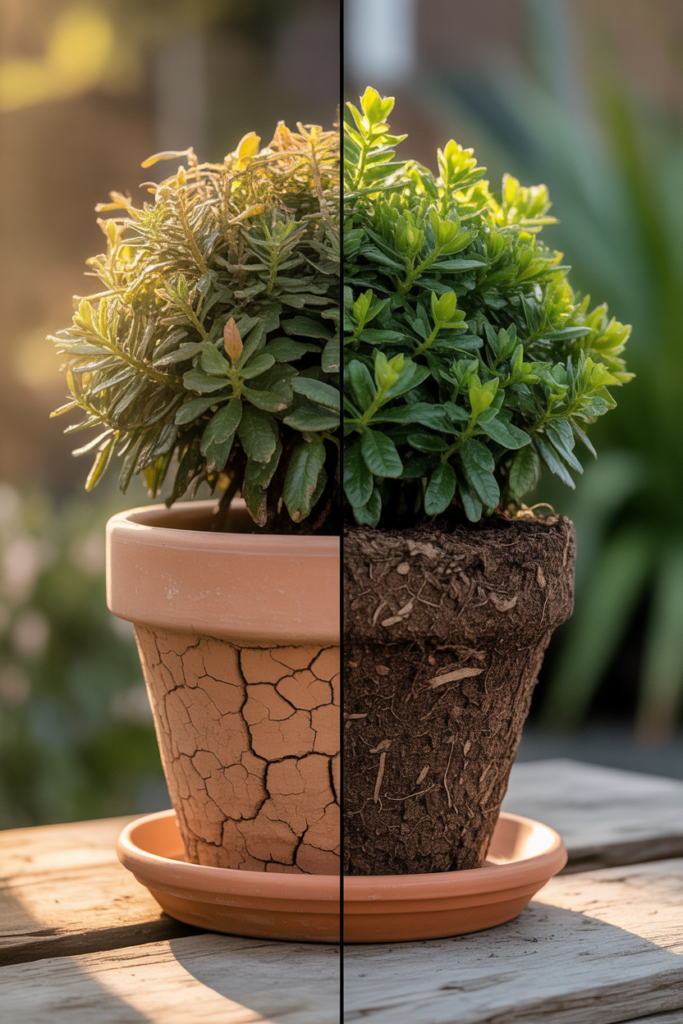
You water your plants, and within hours—or by the next day—the soil is already dry again. This is especially common in pots, raised beds, and hot weather.
It can feel like you are constantly watering with no real result.
The solution
Add a layer of mulch on top of the soil. Even a small amount can make a big difference.
Use materials like:
- Straw
- Bark
- Dry leaves
- Coconut coir
Why this works
Mulch acts like a protective cover. It reduces evaporation, keeps moisture in the soil longer, and helps regulate temperature.
Real-life example
A container that needed watering twice a day can often hold moisture much longer once mulch is added.
3. Soil Staying Too Wet
The problem
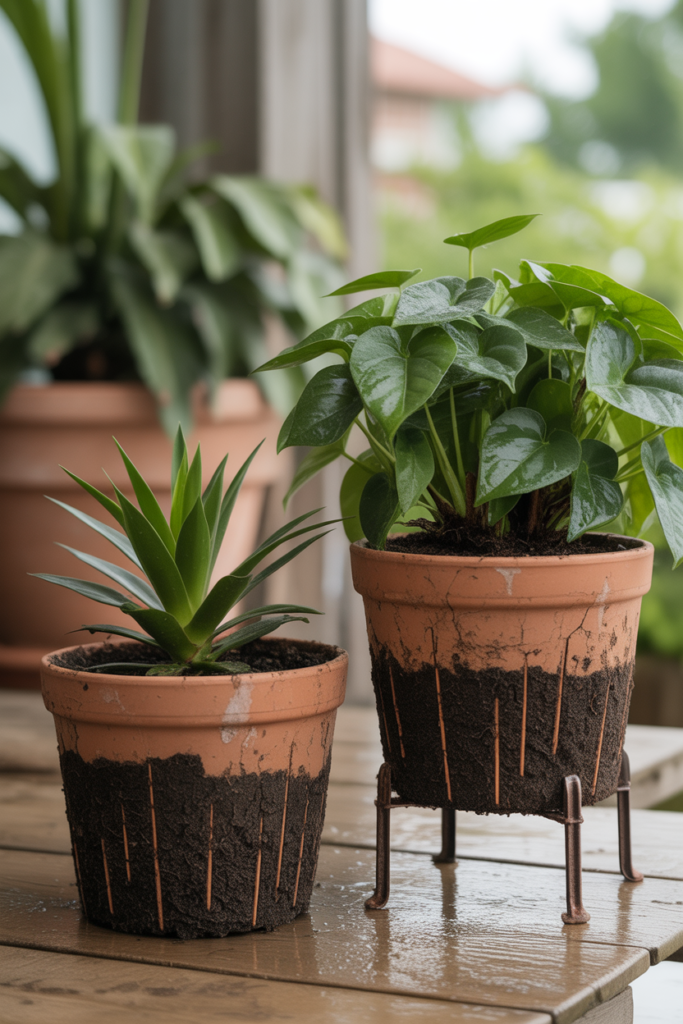
Instead of drying out, your soil stays wet for too long. Plants may look droopy, leaves may yellow, and growth slows down.
This is one of the most common beginner garden problems, especially with containers.
The solution
Improve drainage by:
- Using pots with drainage holes
- Raising containers slightly off the ground
- Using well-draining soil
Why this works
Roots need oxygen. When soil stays waterlogged, roots cannot breathe, which leads to stress and rot.
Real-life example
A plant in a decorative pot without drainage slowly declines, even though it is being “well cared for.”
4. Plants Wilting Suddenly
The problem
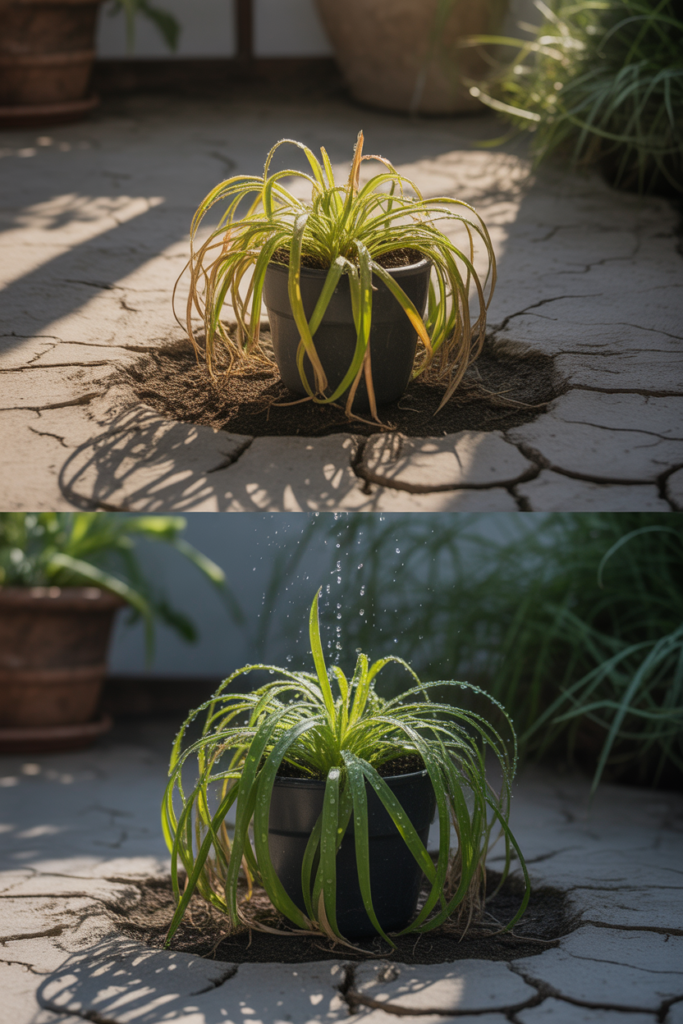
Your plant looks perfectly fine in the morning… and suddenly looks droopy and lifeless later in the day. This can feel alarming, especially if you just watered it.
The solution
Check two things:
- Soil moisture
- Time of day
If it’s hot, the plant may just be temporarily stressed. Water early in the morning and provide light shade during extreme heat.
Why this works
Plants lose water faster in heat. Temporary wilting can happen even when the plant is not actually dying. Proper timing helps reduce stress.
Real-life example
Outdoor plants often droop in the afternoon sun but recover in the evening once temperatures drop.
5. Slow Plant Growth
The problem
Your plants are alive—but they are not really growing. Weeks pass, and there is little progress.
This is one of the most frustrating garden problems because it feels like nothing is happening.
The solution
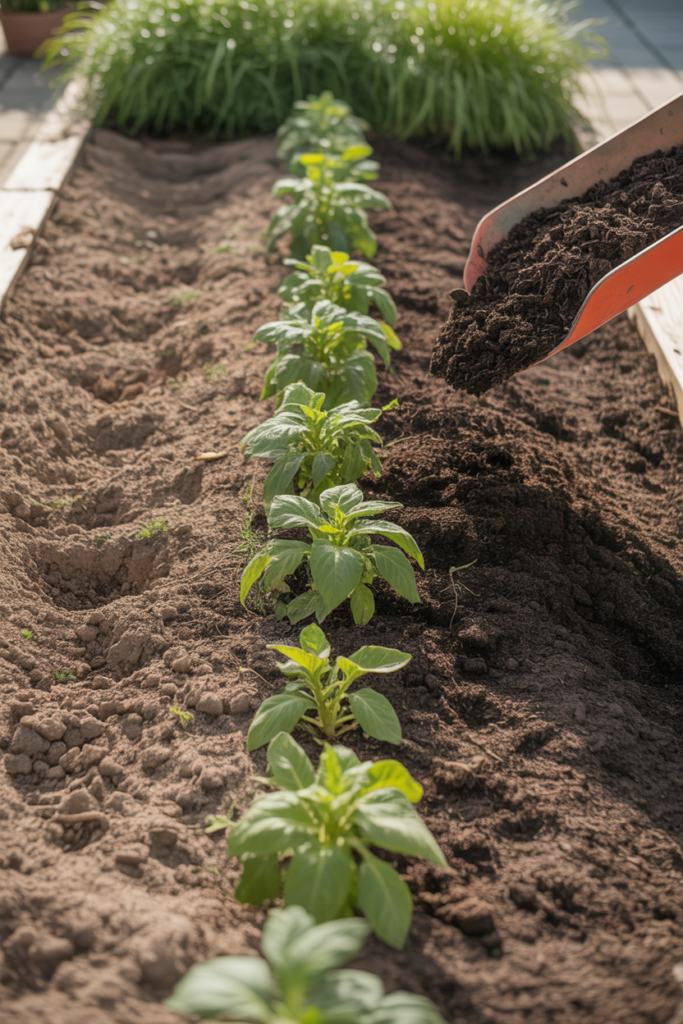
Improve your soil by adding compost or organic matter. Even a simple top layer can boost plant performance.
Why this works
Healthy soil provides nutrients, supports root development, and improves water retention. Better soil leads to stronger, faster growth.
Real-life example
A raised bed that produced well in the first season may slow down later. Adding compost often restores productivity.
6. Plants Not Flowering
The problem
Your plant looks healthy. It has green leaves, steady growth… but no flowers. This is one of the most confusing garden problems, especially when you’re expecting blooms.
The solution
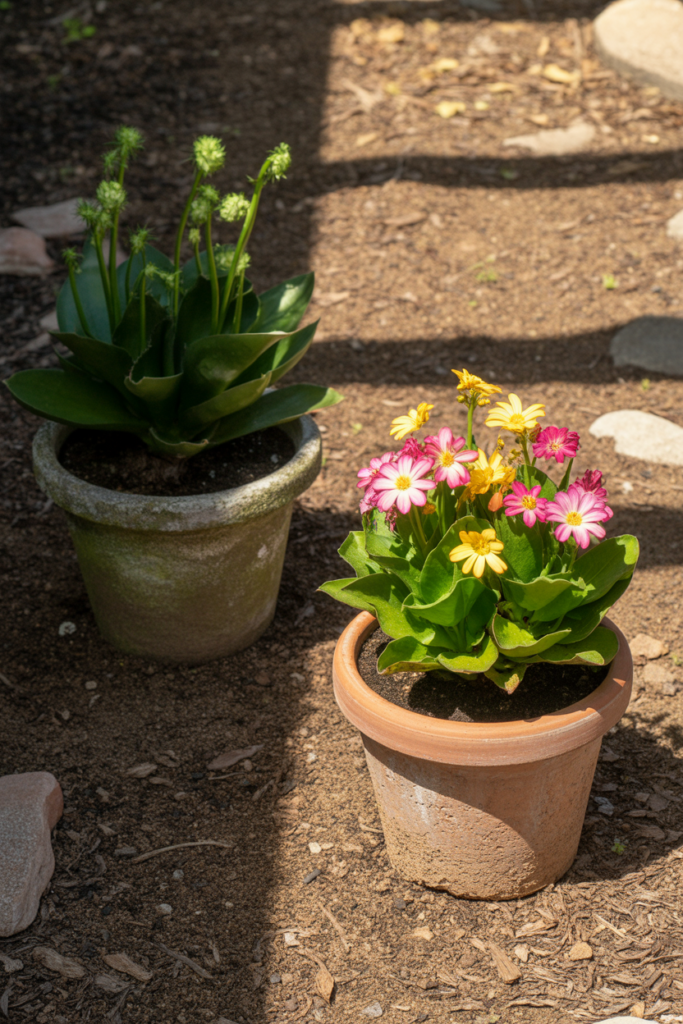
Check how much sunlight your plant is getting. Many flowering plants need full sun (6–8 hours daily) to produce blooms. If it’s in shade, move it to a brighter spot.
Why this works
Flowers require energy, and that energy comes from sunlight. Without enough light, plants focus on survival (leaves), not reproduction (flowers).
Real-life example
A flowering plant placed near a wall or under shade may grow leaves all season but never bloom—until it’s moved into direct sunlight.
7. Leggy, Weak Growth
The problem
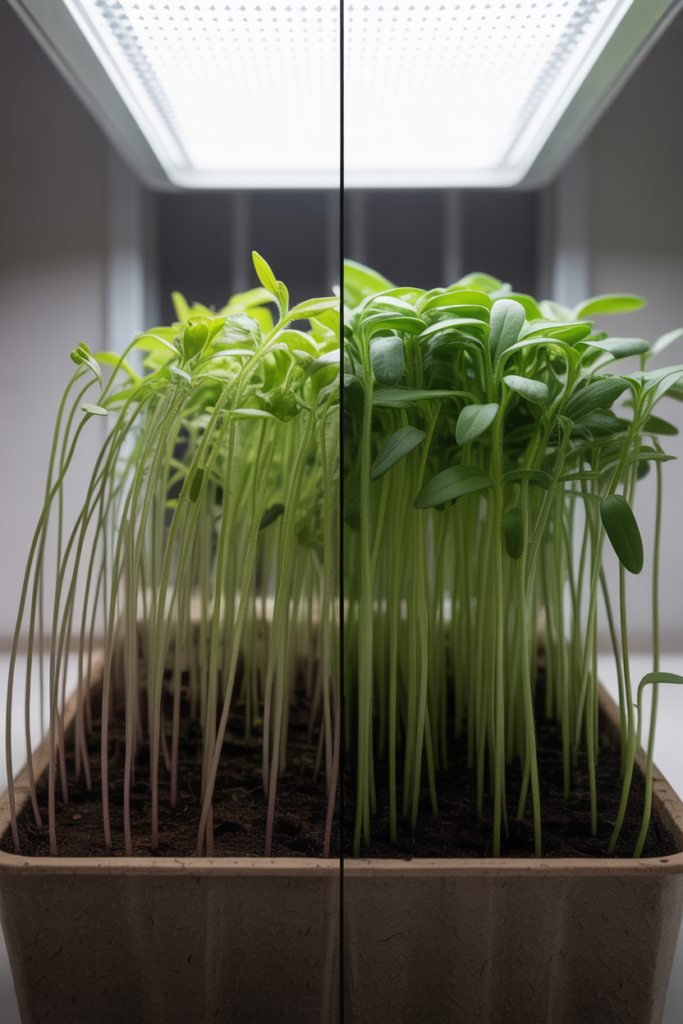
Your plants are growing—but they look stretched, thin, and weak. Instead of full, compact growth, they lean toward the light and struggle to stay upright.
This is a very common beginner garden problem, especially indoors.
The solution
Increase light exposure. Move plants closer to a bright window or use a grow light positioned above them.
Why this works
Plants stretch toward light when they don’t get enough of it. Strong, direct light encourages compact and sturdy growth.
Real-life example
Seedlings grown on a windowsill often become tall and floppy. Once placed under stronger light, new growth becomes shorter and stronger.
8. Leaves Getting Burned or Scorched
The problem
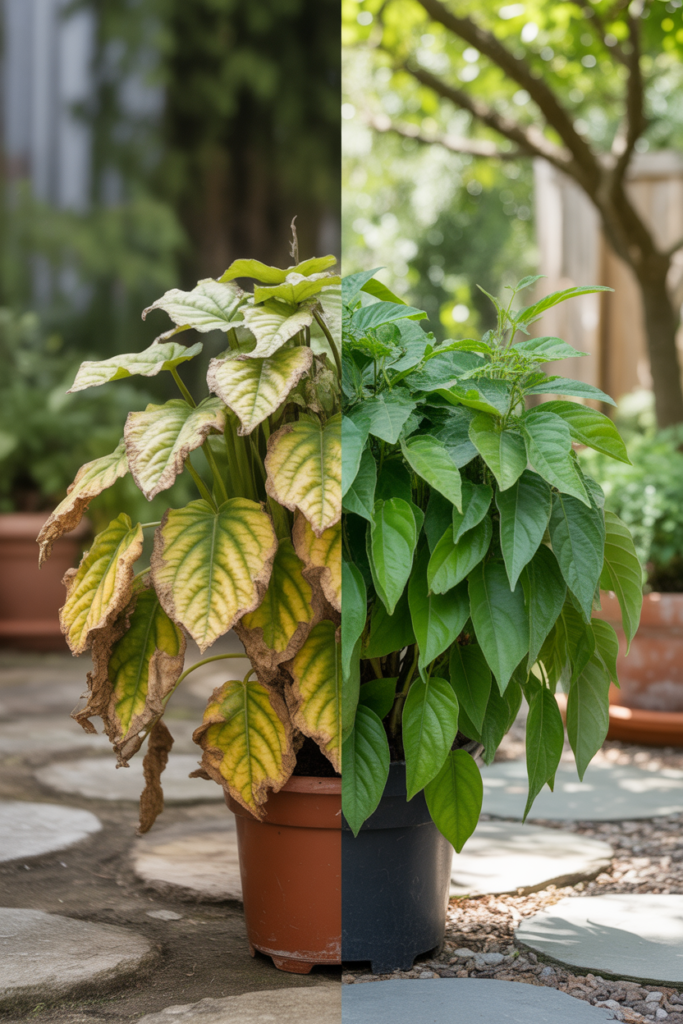
Leaves develop dry, brown patches or look faded and crispy. This can happen when plants are suddenly exposed to too much direct sunlight.
It’s a surprising garden problem because many people assume more sun is always better.
The solution
Gradually introduce plants to stronger sunlight and provide light shade during the hottest part of the day if needed.
Why this works
Plants need time to adjust to intense sunlight. Sudden exposure can damage leaf tissue, especially in delicate or indoor-grown plants.
Real-life example
A plant moved from indoors directly into full sun may show burn marks within a day or two. Gradual exposure prevents this.
9. Plants Falling Over
The problem
Your plants grow, but they cannot support themselves. They lean, bend, or fall over completely. This can happen with vegetables, flowers, or even indoor plants.
The solution
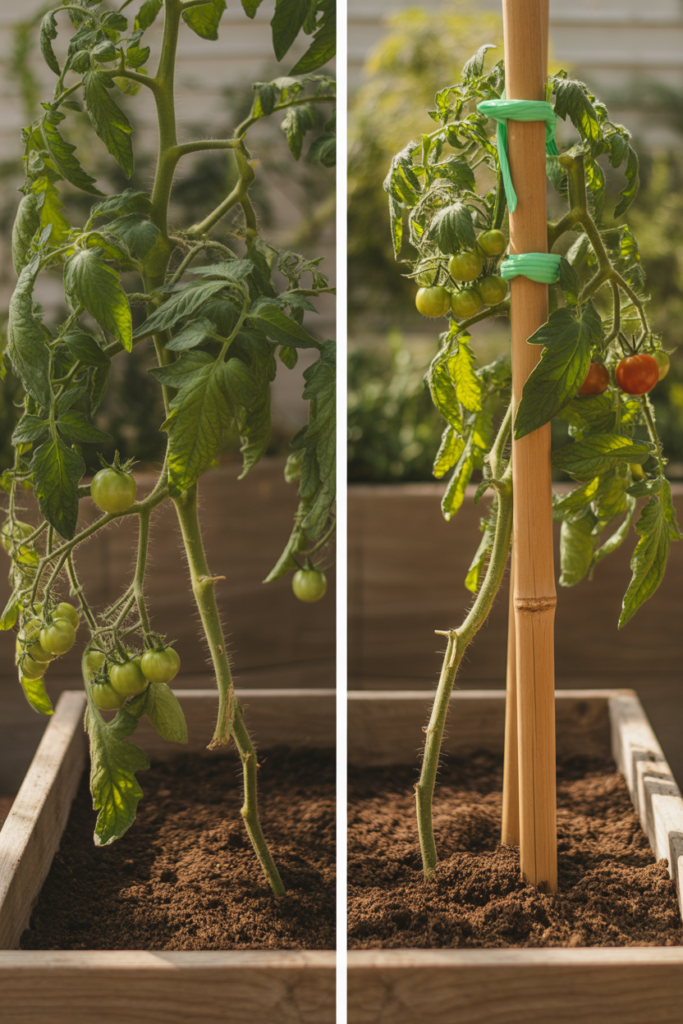
Provide support using stakes, cages, or ties. Also ensure the plant is getting enough light and not growing too weak.
Why this works
Support structures help plants grow upright and prevent damage. Strong positioning also improves airflow and sunlight exposure.
Real-life example
Tomato plants often grow quickly and become heavy. Without support, they bend or break under their own weight.
10. Plants Not Producing Fruit
The problem
Your plant grows leaves and looks healthy, but produces little to no fruit. This is one of the most frustrating garden problems, especially for vegetables.
The solution
Check for:
- Enough sunlight
- Proper watering
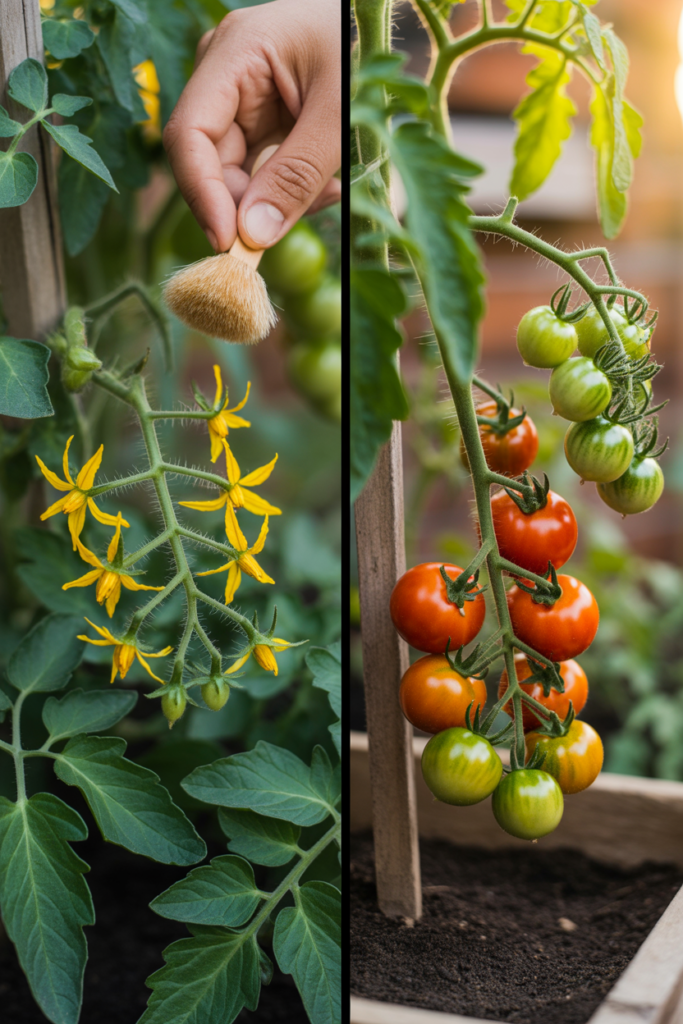
- Pollination
If needed, gently shake flowering plants or use a small brush to help with pollination.
Why this works
Fruit production depends on successful pollination and proper growing conditions. Without these, plants may grow but not produce.
Real-life example
Tomatoes grown indoors or in low-wind areas sometimes need manual help with pollination to produce fruit.
11. Aphids or Small Bugs Appearing
The problem
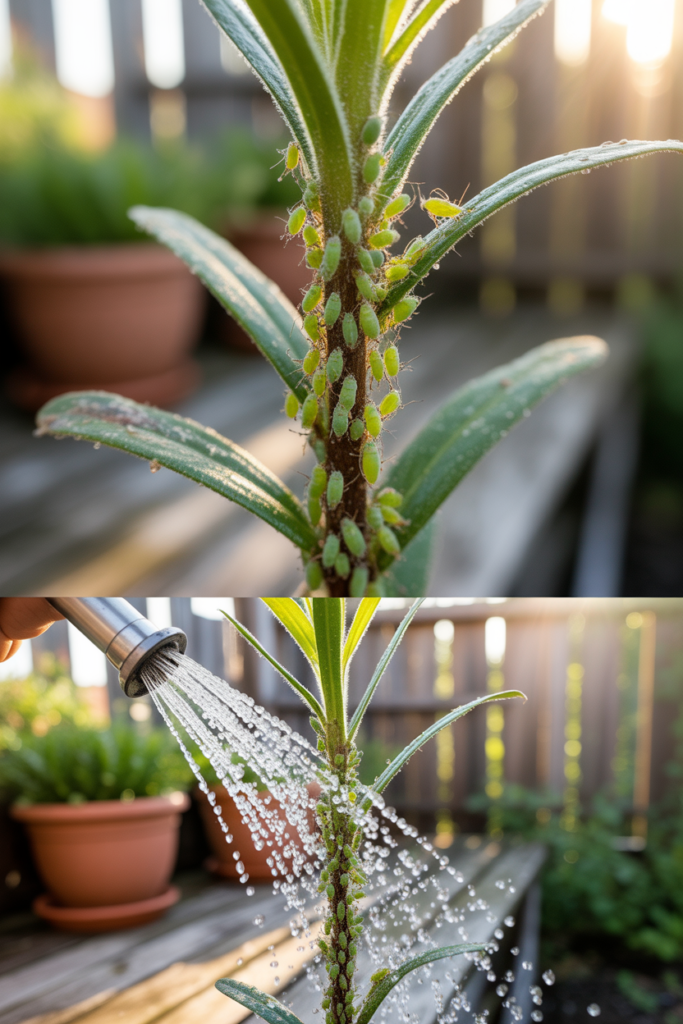
You notice tiny insects clustered on stems or under leaves. At first, it seems minor—but within days, they multiply fast. This is one of the most common garden problems beginners face.
These pests feed on plant sap, weakening your plant and causing curling leaves or sticky residue.
The solution
Act early. Rinse the plant with a strong spray of water, especially under the leaves. Repeat daily if needed.
Why this works
Aphids are soft-bodied and easy to remove. Catching them early prevents a full infestation and keeps your plant healthy without needing harsh treatments.
Real-life example
A rose or pepper plant may start with just a few bugs. A quick rinse for a few days often clears the problem before it spreads.
12. Holes in Leaves
The problem
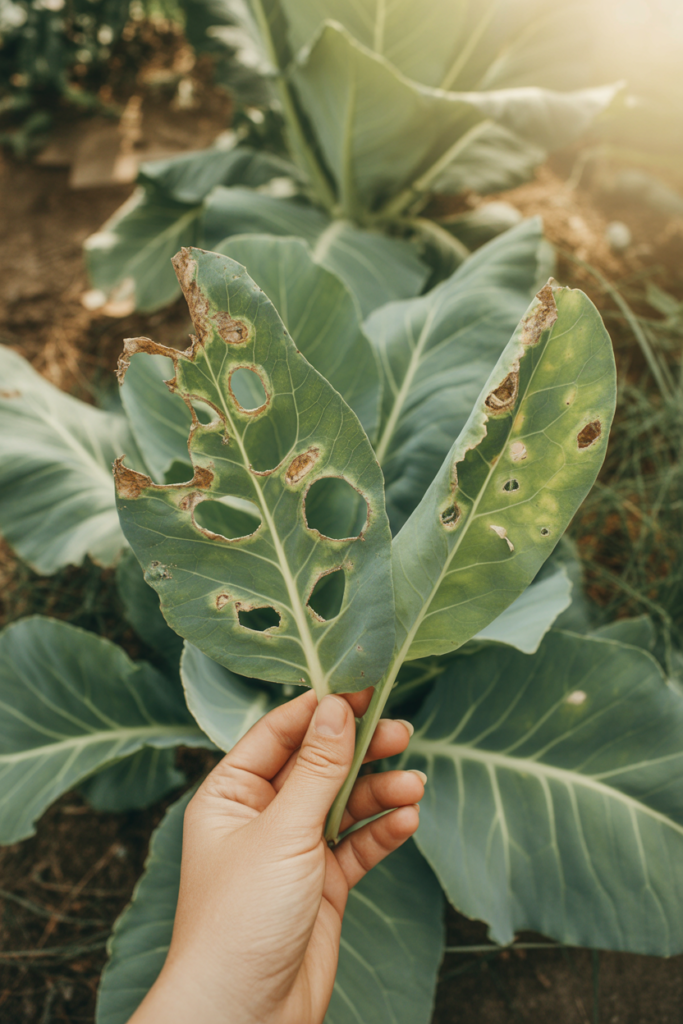
You check your plants and see leaves full of holes. Something is eating them—but you rarely see the culprit.
This is a very common beginner garden problem, usually caused by insects like caterpillars, beetles, or slugs.
The solution
Inspect plants closely, especially early morning or evening. Remove visible pests by hand and keep the area clean. You can also use simple barriers to protect young plants.
Why this works
Catching pests early stops further damage. Removing them directly is often the fastest and simplest solution.
Real-life example
Leafy greens like lettuce often get chewed overnight. A quick inspection at the right time reveals the cause.
13. Sticky Leaves or Residue
The problem
Your plant leaves feel sticky, and sometimes they look shiny or coated. This is often confusing and unpleasant.
This garden problem is usually caused by pests like aphids or whiteflies leaving behind a sticky substance.
The solution
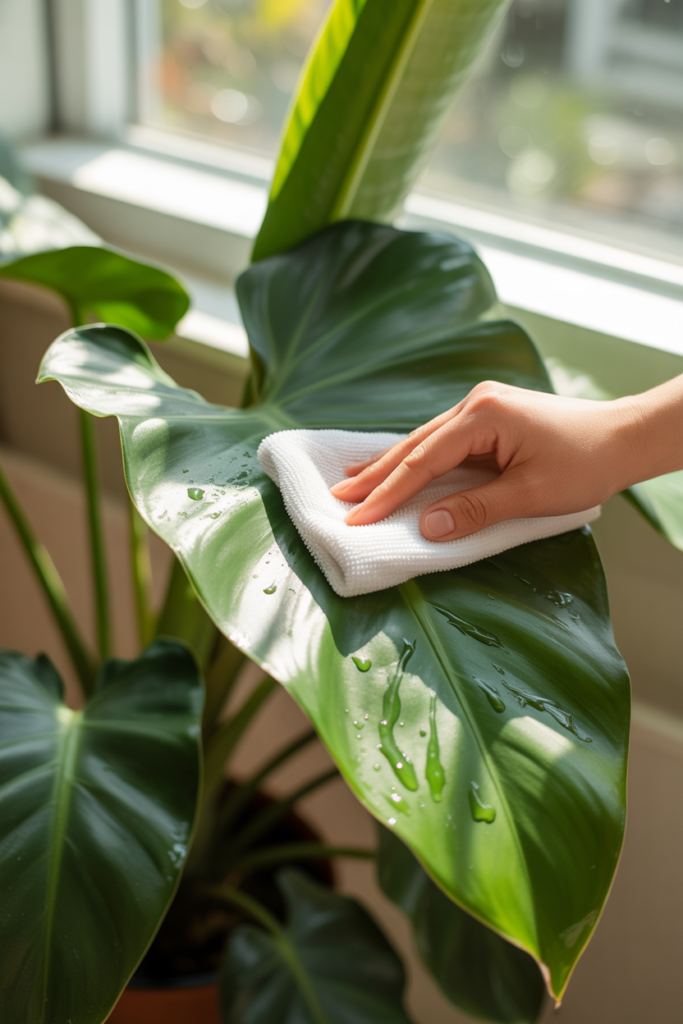
Wipe the leaves gently with water and check for pests underneath. Treat the pest issue early before it spreads.
Why this works
Cleaning removes residue and improves plant health, while addressing pests stops the problem at its source.
Real-life example
Indoor plants often develop sticky leaves when pests go unnoticed for too long.
14. Mold or Powdery Mildew on Leaves
The problem
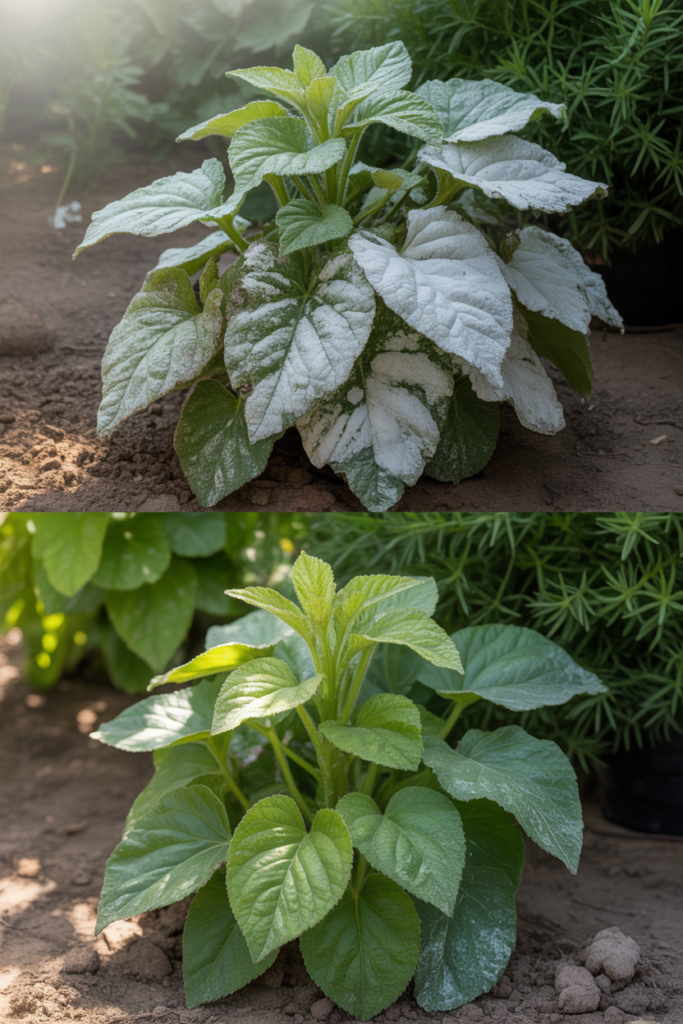
You notice a white or gray powdery layer on leaves, or fuzzy mold forming. This is a sign of poor airflow or excess moisture.
It’s one of the more worrying garden problems, but it’s often manageable.
The solution
Improve airflow by spacing plants properly and removing crowded growth. Water at the base of the plant instead of soaking the leaves.
Why this works
Mold thrives in damp, still environments. Better airflow and drier leaves make it harder for it to spread.
Real-life example
This often happens in humid conditions or crowded beds where air cannot move freely between plants.
15. Plants Suddenly Dying Without Warning
The problem
One day your plant looks fine, and the next, it declines quickly. Leaves droop, stems weaken, and recovery seems unlikely.
This is one of the most frustrating garden problems because it feels sudden and unpredictable.
The solution
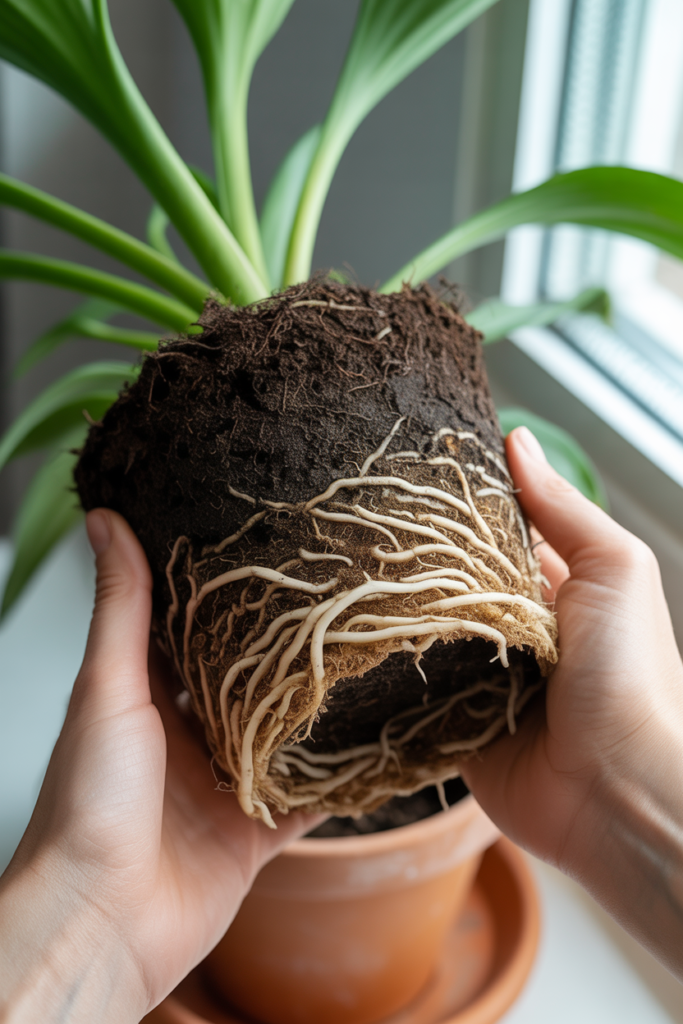
Check the roots. Gently remove the plant and inspect:
- Brown, mushy roots → overwatering
- Dry, brittle roots → underwatering
Adjust care based on what you find.
Why this works
The root system tells the real story. Many plant problems start below the surface, even if the symptoms appear above.
Real-life example
A plant may appear healthy until root rot progresses too far. Catching root issues early can save the plant.
16. Overcrowded Plants
The problem
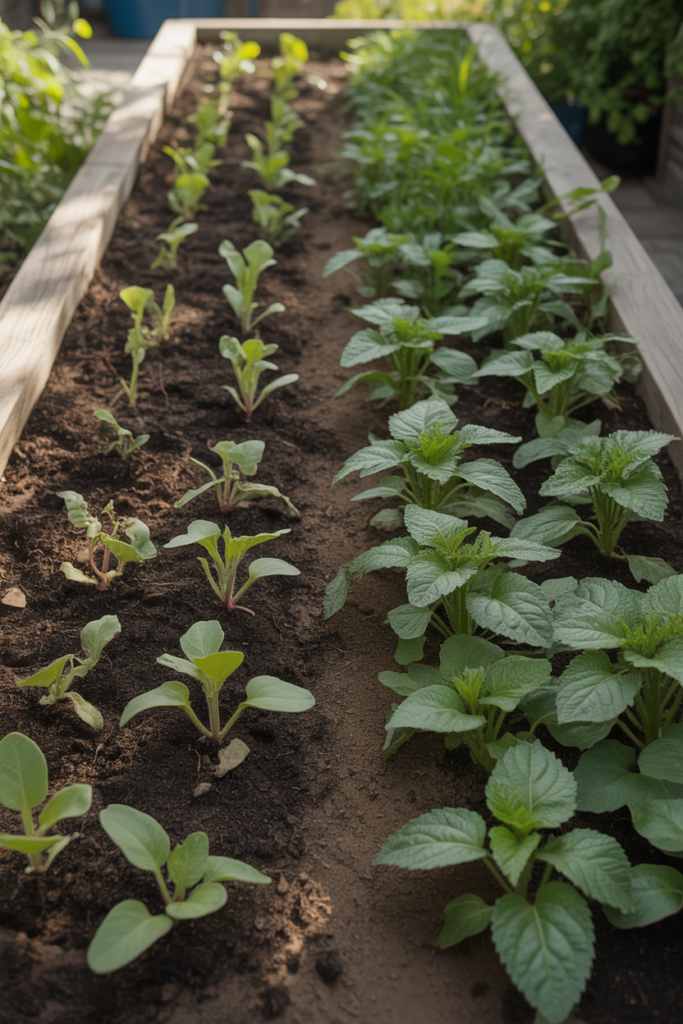
It’s easy to plant too closely, especially when everything is still small. At first, the garden looks full and exciting. A few weeks later, though, leaves are packed together, airflow is poor, and plants start competing for space, water, and nutrients.
This is one of those garden problems that sneaks up on beginners. What looked lush at the start can quickly turn into a tangled mess.
The solution
Thin out crowded plants and give each one enough room to grow. If needed, transplant some to another pot or bed. For seedlings, remove the weaker extras so the strongest plants have space.
Why this works
Proper spacing improves airflow, lowers disease risk, and lets each plant get the light and nutrients it needs. Plants often look better and grow faster once they are no longer competing so hard.
Real-life example
This happens a lot with lettuce, basil, carrots, and flower seedlings. Beginners often hate pulling extra seedlings, but once they do, the remaining plants usually take off.
17. Forgetting to Water Consistently
The problem
Some beginners overwater. Others forget to water until plants are already stressed. Inconsistent watering is one of the most common garden problems, especially during hot weather or busy weeks.
Plants do not love going from bone dry to soaking wet again and again. That pattern causes stress and uneven growth.
The solution
Create a simple watering routine. Check your plants at the same time each day, especially in the morning. For containers, consider using self-watering tools or a slow-drip bottle if you tend to forget.
Why this works
Consistency helps plants stay balanced. Roots grow better, leaves stay healthier, and you are much less likely to swing between underwatering and overwatering.
Real-life example
A patio gardener may water heavily one day, forget for two more, then panic and soak everything again. A simple daily check often solves the problem better than dramatic watering sessions.
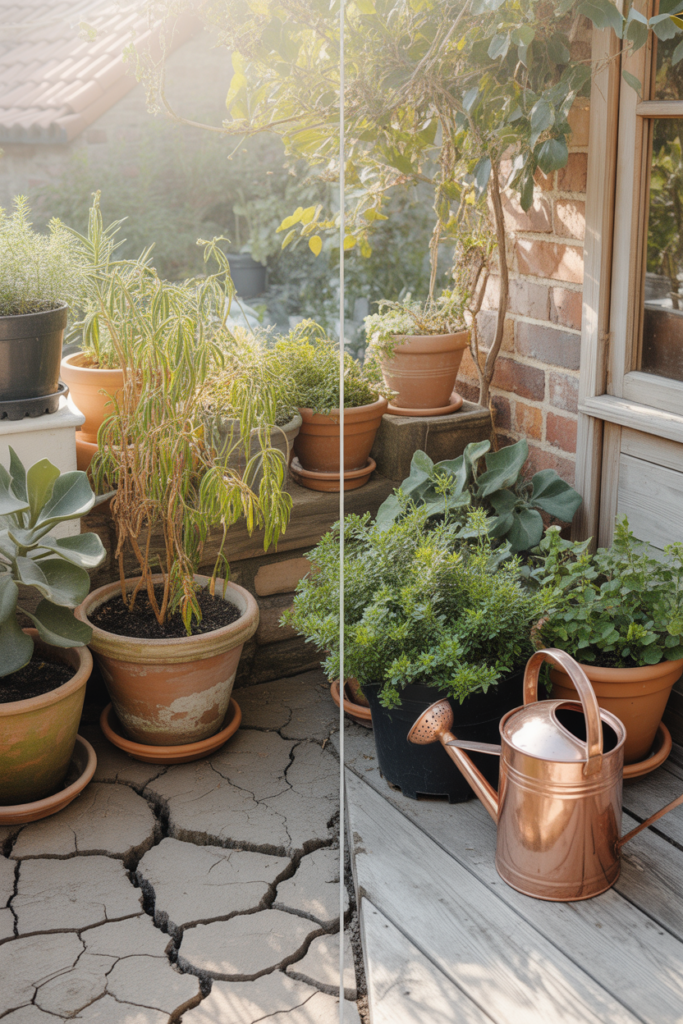
18. Not Knowing What Plant Is What
The problem
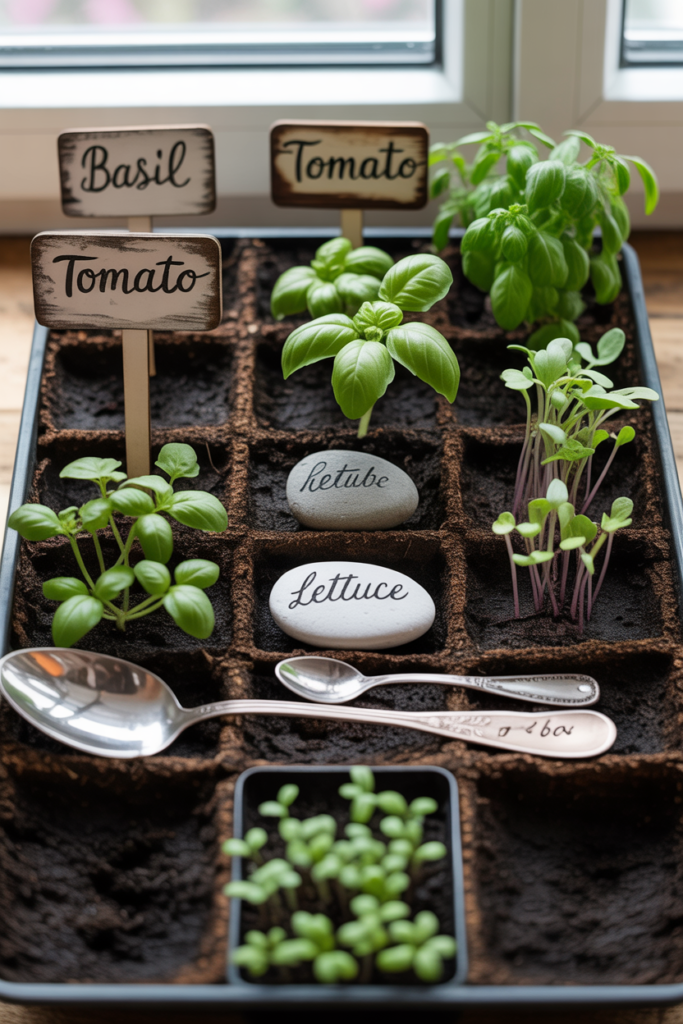
At the seedling stage, many plants look surprisingly similar. Without labels, it becomes very easy to forget what you planted where. Then later, you are left guessing whether that tiny plant is basil, pepper, marigold, or something else entirely.
It seems like a small thing, but it creates a very real beginner garden problem.
The solution
Label your plants clearly from the beginning using durable markers. You can use plant tags, painted stones, wooden markers, or even old spoons. The important part is making them weather-resistant and easy to read.
Why this works
Knowing what each plant is helps you give it the right care, spacing, and harvest timing. It also saves you from confusion later when everything starts growing fast.
Real-life example
This happens all the time in seed trays. A gardener is sure they will remember which row is which, and then two weeks later every seedling looks nearly identical.
19. Weeds Taking Over
The problem
Weeds can make a beginner feel like they are losing control of the whole garden. You pull a few, look away for a week, and suddenly they seem to be everywhere.
This is one of the most discouraging garden problems because it makes the space look messy and steals water and nutrients from the plants you actually want.
The solution
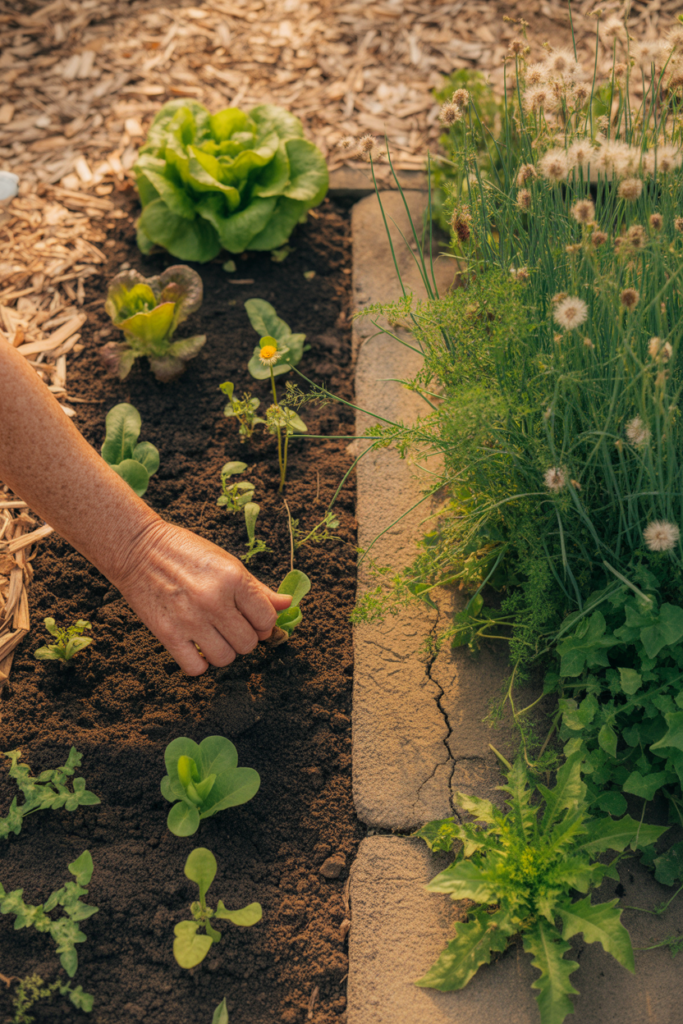
Pull weeds while they are still small and add mulch to stop more from popping up. A short, regular weeding session is much easier than waiting until the whole bed is overrun.
Why this works
Young weeds have shallow roots and come out quickly. Mulch blocks light from reaching weed seeds, which cuts down future growth and makes maintenance easier.
Real-life example
A tidy vegetable bed can turn wild surprisingly fast after rain or warm weather. Gardeners who do five-minute weed checks usually have a much easier time than those who wait for a big cleanup day.
20. Soil Losing Quality Over Time
The problem
Even if your garden started with good soil, it does not stay perfect forever. After a season or two, the soil can become tired, compacted, or less productive. Plants may grow more slowly, produce less, or look weaker than they did before.
This is a very common long-term garden problem.
The solution
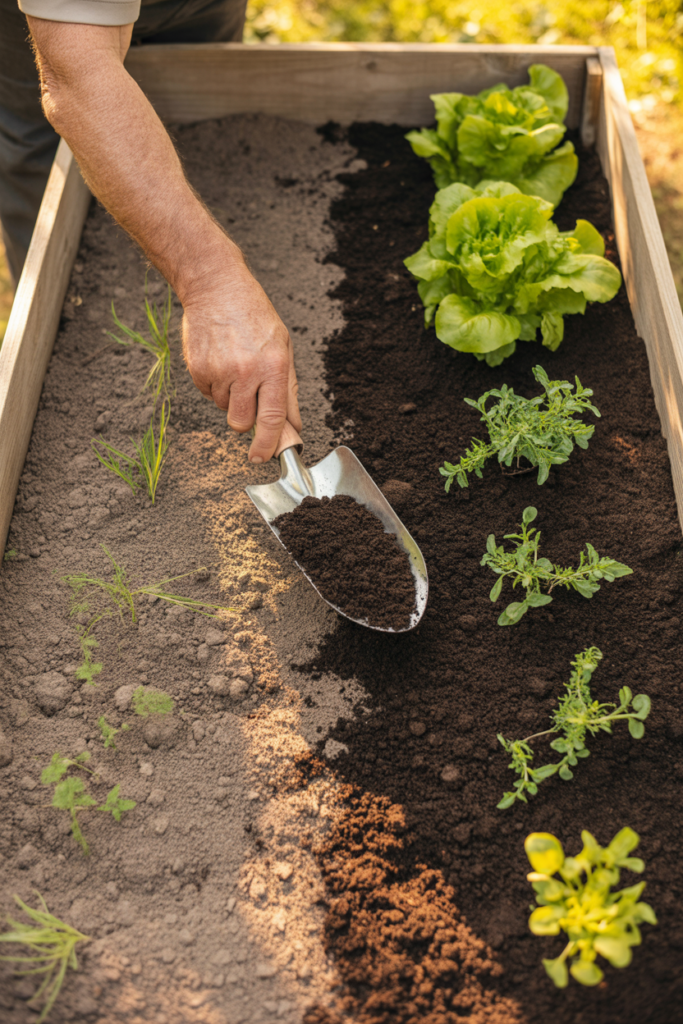
Refresh the soil regularly with compost or organic matter. For beds, top-dress with compost each season. For pots, mix in fresh potting mix or compost when replanting.
Why this works
Healthy soil feeds plants, improves drainage, supports beneficial organisms, and helps roots grow well. Replenishing it keeps your garden productive instead of slowly declining.
Real-life example
A raised bed may be amazing in year one, decent in year two, and disappointing in year three. A layer of compost often makes a noticeable difference without much effort.
21. Losing Motivation After a Few Failures
The problem
This may be the most human of all beginner garden problems. A few dead plants, a pest issue, or a disappointing harvest can make it feel like gardening just is not for you.
But every gardener goes through this. Every single one.
The solution
Simplify. Focus on one small area, one easy crop, or one thing to improve at a time. Instead of trying to fix everything, pick one simple win and build from there.
Why this works
Gardening gets easier when it feels manageable. Small successes rebuild confidence, and confidence helps you stay consistent enough to learn what works.
Real-life example
Someone may feel like quitting after losing a tray of seedlings. But when they try again with just a couple of containers and easier plants, they often enjoy the process much more and stick with it.
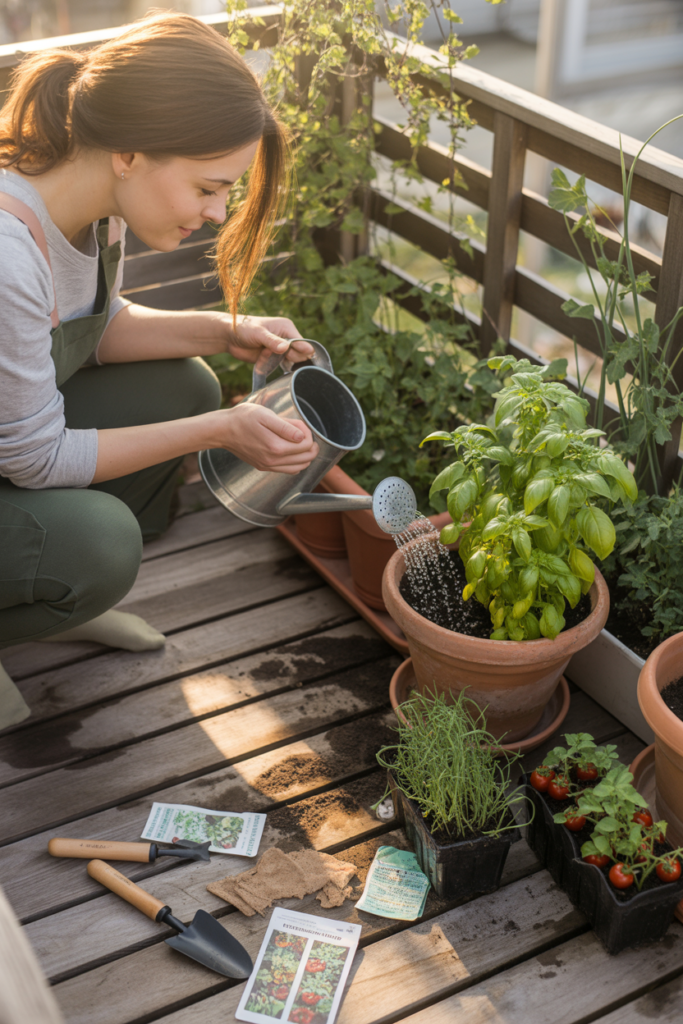
Conclusion: Beginner Garden Problems Are Normal
If you’ve run into yellow leaves, soggy soil, weak growth, pests, weeds, or plain old frustration, you are in very good company. These garden problems are not signs that you are failing. They are part of learning how plants respond to water, light, soil, and care.
The good news is that most of these issues have simple solutions. A little mulch, better drainage, more spacing, healthier soil, or a more consistent routine can change a lot.
You do not need to fix everything at once. Start with the problem that sounds most familiar, make one change, and see how your garden responds. That is how confidence grows.
Gardening is not about getting everything perfect on the first try. It is about paying attention, adjusting, and getting a little better each season.