
24 Plant Care Problems and Easy Fixes That Work
One day your plant looks healthy, happy, and completely fine. Then suddenly, something changes. A few leaves turn yellow. The tips go brown. The soil seems dry every five minutes—or somehow stays wet forever. And just like that, plant care starts feeling a lot less relaxing and a lot more confusing.
If that sounds familiar, you’re not alone. Most plant care problems are incredibly common, especially when you’re caring for indoor plants or trying to figure out what each plant needs. The frustrating part is that different problems can look almost the same at first. Drooping can mean too much water or not enough. Brown leaves can point to dry air, thirsty roots, or stress. No wonder so many plant parents feel stuck.
The good news is that most of these issues are fixable. In many cases, the solution is much simpler than it seems. Once you know what signs to look for, plant care gets easier, less stressful, and a lot more rewarding.
Let’s start with the first six plant care problems—because honestly, these are behind a huge number of struggling houseplants.
1. Yellow Leaves
The problem
Yellow leaves are one of the most common plant care problems, and they can make you panic fast. A plant that looked healthy a few days ago suddenly starts losing its rich green color, and it’s hard to know what that means.
In most cases, yellow leaves point to a watering issue. That could mean overwatering, underwatering, or inconsistent watering that keeps stressing the roots.
The easy fix
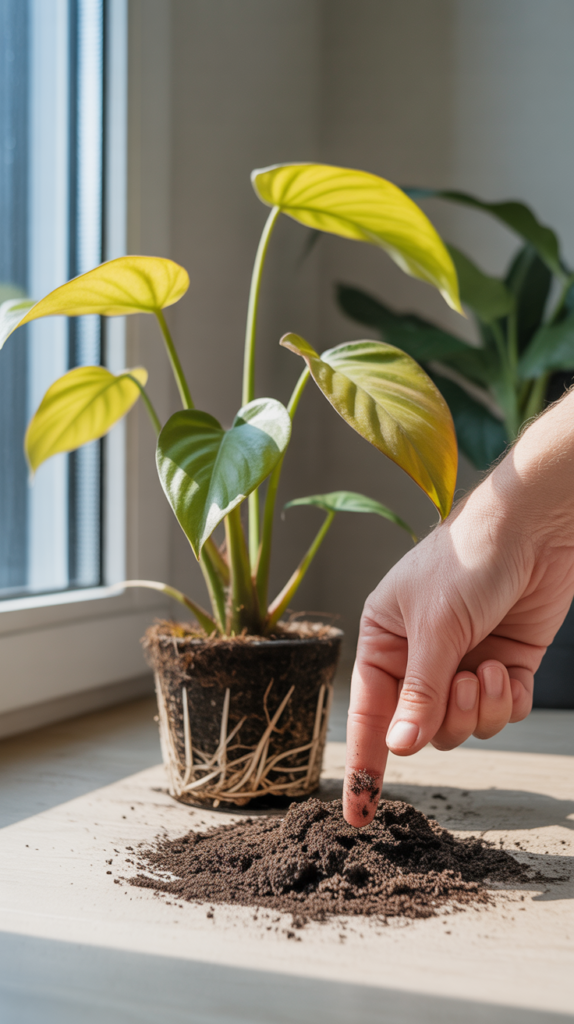
Check the soil before doing anything else. Push your finger a couple of inches into the potting mix.
- If the soil feels soggy, water less often
- If it feels very dry, water more thoroughly and consistently
- If only one or two old leaves are yellow, it may just be normal aging
Do not rush to fertilize right away. That often makes the problem worse when watering is the real issue.
Why this works
Roots need a healthy balance of moisture and oxygen. When that balance is off, leaves often turn yellow as one of the first warning signs.
Real-life example
A pothos or peace lily may start yellowing because it’s being watered on a strict schedule, even when the soil is still wet. Once the schedule changes to watering based on actual soil moisture, the new growth usually looks much better.
2. Brown Leaf Tips
The problem
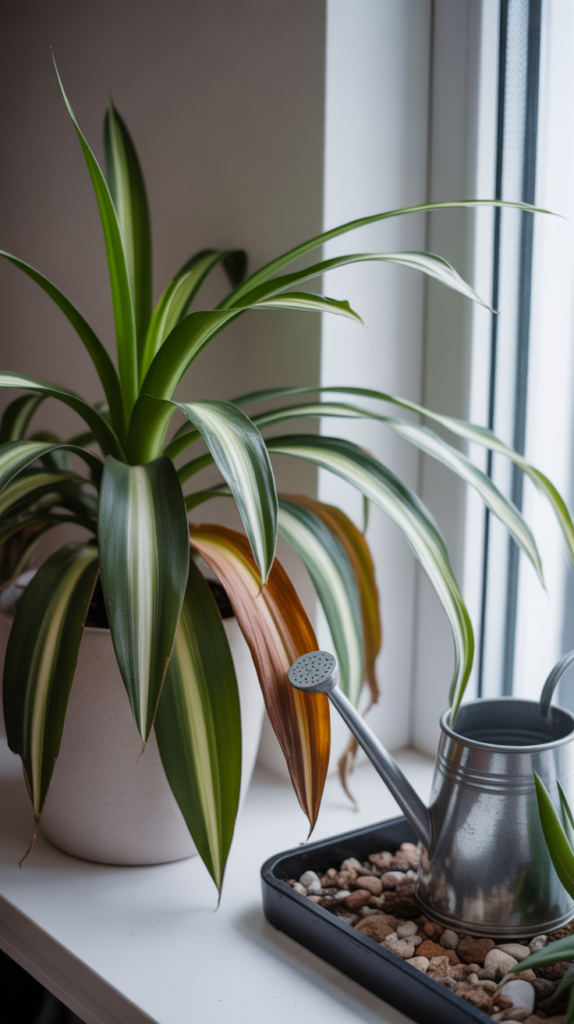
Brown leaf tips are frustrating because they make a plant look unhealthy even when the rest of it still seems okay. This issue often shows up on houseplants with long or delicate leaves, and it usually creeps in slowly.
The most common causes are dry soil, inconsistent watering, low humidity, or mineral buildup from tap water.
The easy fix
Start by checking moisture and adjusting your watering routine so the plant is not cycling between very dry and very wet. If the air in your home is dry, especially in winter, increase humidity by grouping plants together or placing the plant near a humidity tray.
If mineral buildup might be the problem, flush the soil occasionally with water and let it drain thoroughly.
Why this works
Brown tips often appear when the plant cannot maintain even moisture or when salts and minerals start affecting the roots. A more stable environment helps prevent further damage.
Real-life example
Spider plants are famous for this. They often get brown tips even when the rest of the plant looks fine. Better watering consistency and occasional flushing usually help a lot.
3. Soil Drying Out Too Fast
The problem
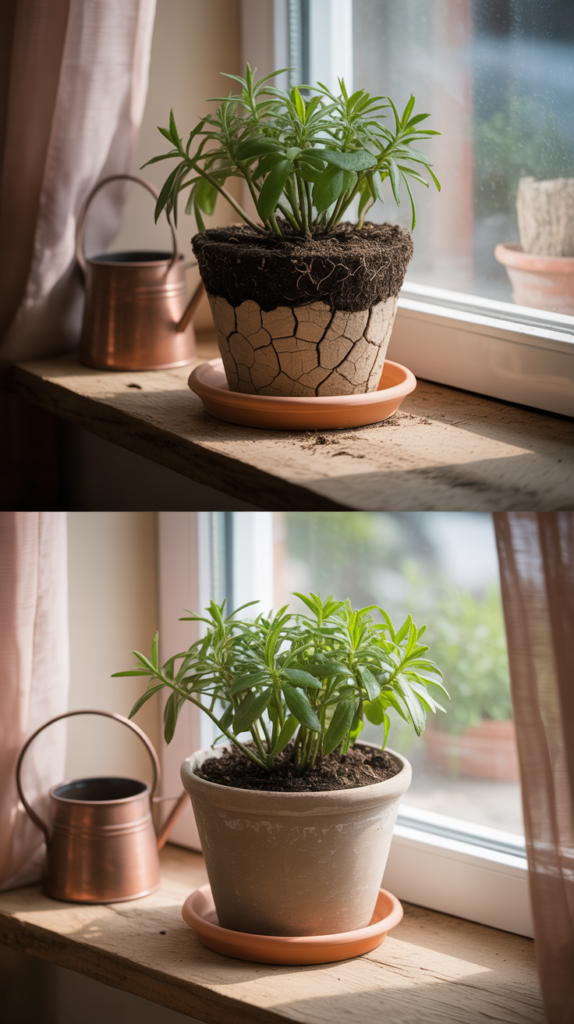
You water your plant, and then what feels like a day later, the soil already seems dry again. This is one of those common plant problems that can make care feel like a full-time job, especially in smaller pots or warm bright rooms.
Fast-drying soil can happen because the pot is too small, the plant is root-bound, the room is warm and dry, or the potting mix is not holding moisture well.
The easy fix
First, check whether the plant has outgrown its pot. If roots are circling tightly, it may be time to repot. You can also refresh the potting mix with something that holds moisture a little better, depending on the plant.
Other simple fixes include:
- Moving the plant away from intense heat sources
- Watering more deeply so the full root ball gets soaked
- Using a pot size that better matches the root system
Why this works
When roots fill the pot too tightly, there is less actual soil left to hold moisture. A healthier soil-to-root balance helps the plant stay hydrated longer.
Real-life example
A thirsty fern or pothos in a tiny nursery pot can dry out shockingly fast on a sunny windowsill. Repotting it just one size up often makes care much easier.
4. Soil Staying Wet Too Long
The problem
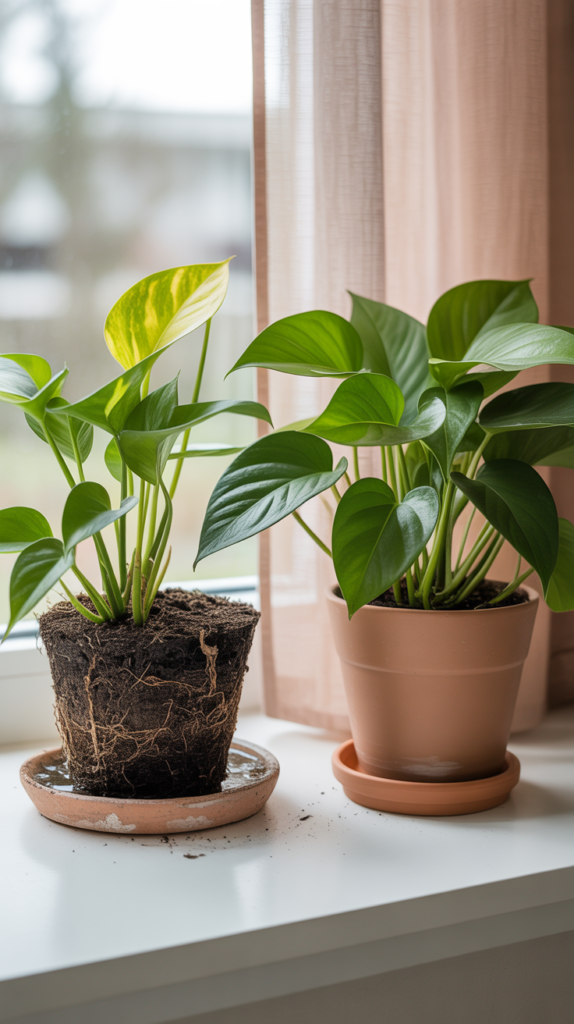
On the other end of the spectrum, some plants seem to stay wet forever. Days after watering, the soil still feels heavy and damp, and the plant starts looking unhappy. Leaves may droop, yellow, or lose vigor.
This is one of the most serious plant care problems because soggy soil often leads to root stress and rot.
The easy fix
Check three things right away:
- Does the pot have drainage holes?
- Is the potting mix too dense?
- Is the plant being watered too often?
If needed, repot into a lighter, better-draining mix and always use a container that allows excess water to escape.
Why this works
Healthy roots need oxygen. When soil stays soaked, roots cannot breathe properly, and stress builds quickly below the surface.
Real-life example
A plant in a decorative cachepot without drainage may seem fine for a while, then suddenly decline because water has been trapped at the bottom the whole time.
5. Root Rot
The problem
Root rot is one of the most dreaded plant care issues because it often starts invisibly. Above the soil, the plant may look droopy, yellow, weak, or stalled. Below the soil, the roots may already be breaking down.
Root rot is almost always linked to overly wet soil and poor drainage.
The easy fix
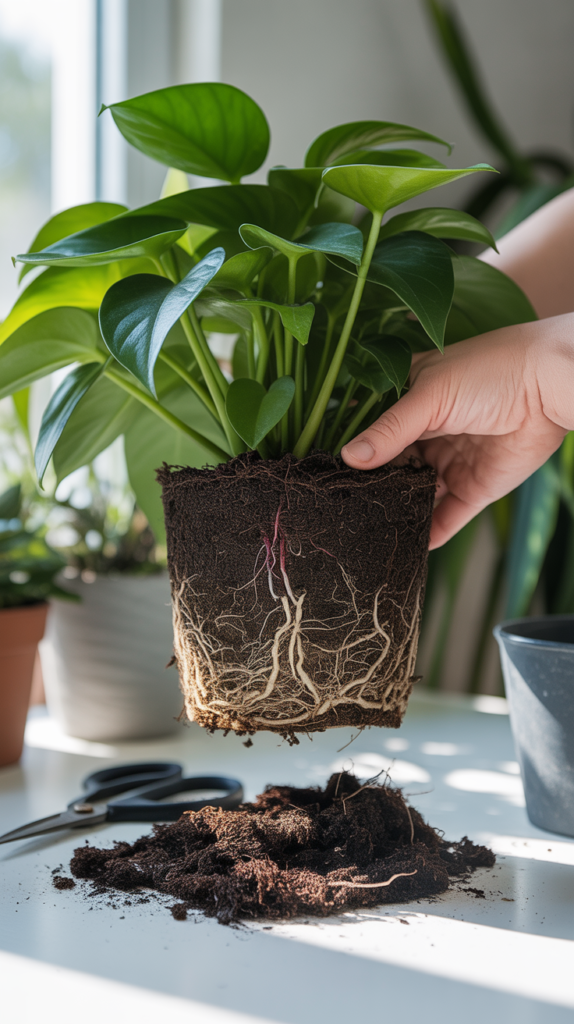
Take the plant out of the pot and inspect the roots.
- Healthy roots are usually firm and light-colored
- Rotting roots are often brown, mushy, and smelly
Trim away the damaged roots with clean scissors, then repot the plant into fresh, well-draining soil. Hold back on watering until the plant settles in.
Why this works
Removing the damaged roots stops the decay from spreading further. Fresh mix and better drainage give the remaining healthy roots a chance to recover.
Real-life example
This happens often with overwatered monstera, pothos, snake plants, and succulents. A plant that seemed beyond saving can sometimes bounce back if the rotted roots are removed in time.
6. White Crust on Top of the Soil
The problem
A white crust or chalky layer on the top of your potting soil can look strange and alarming. It is often not mold at all, but mineral or salt buildup from fertilizer or tap water.
This is one of those plant problems and solutions situations where the issue looks worse than it is—but it still needs attention.
The easy fix
Scrape off the top layer of crusted soil and replace it with fresh mix. Then flush the pot thoroughly with water every so often to help wash excess minerals through the drainage holes.
If the problem keeps returning, consider reducing fertilizer strength or using filtered water for more sensitive plants.
Why this works
Salt and mineral buildup can interfere with how the roots absorb water. Refreshing and flushing the soil helps restore balance.
Real-life example
This is common with indoor plants that get fertilized regularly or watered with hard tap water. The plant may still be alive and growing, but the soil surface starts looking chalky and tired.
7. Leggy Growth (Tall, Thin, Weak Stems)
The problem
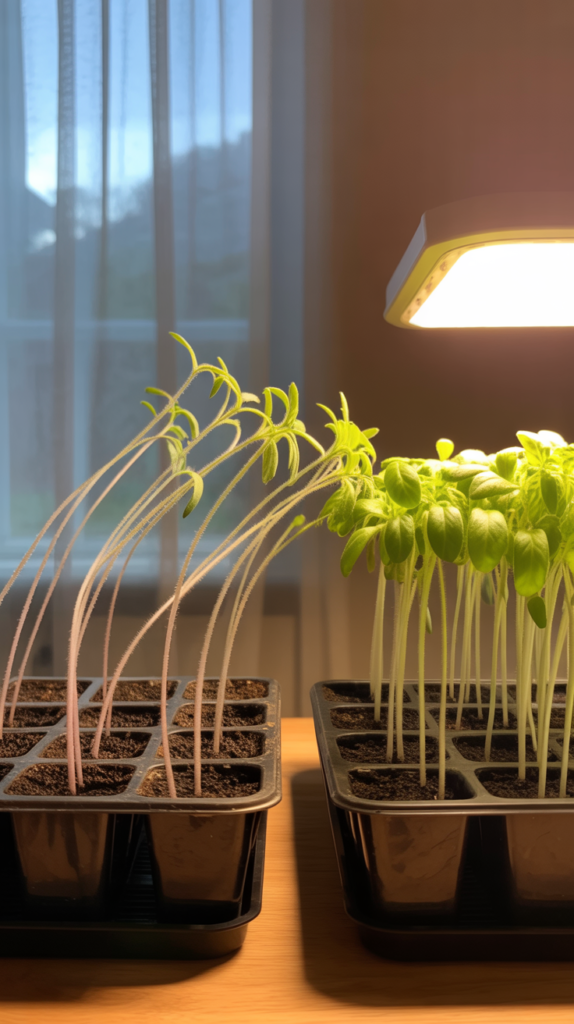
Your plant is growing—but it looks stretched, thin, and a bit unstable. Instead of full, compact growth, the stems are long and weak, often leaning toward a light source.
This is one of the most common plant care problems, especially with indoor plants and seedlings.
The easy fix
Move your plant to a brighter location or closer to a window. If natural light is limited, use a grow light placed above the plant.
Why this works
Plants stretch toward light when they’re not getting enough of it. Strong, direct light encourages shorter, sturdier growth.
Real-life example
Seedlings grown on a windowsill often become tall and floppy. Once moved under better lighting, new growth becomes compact and strong.
8. Leaves Getting Burned or Scorched
The problem
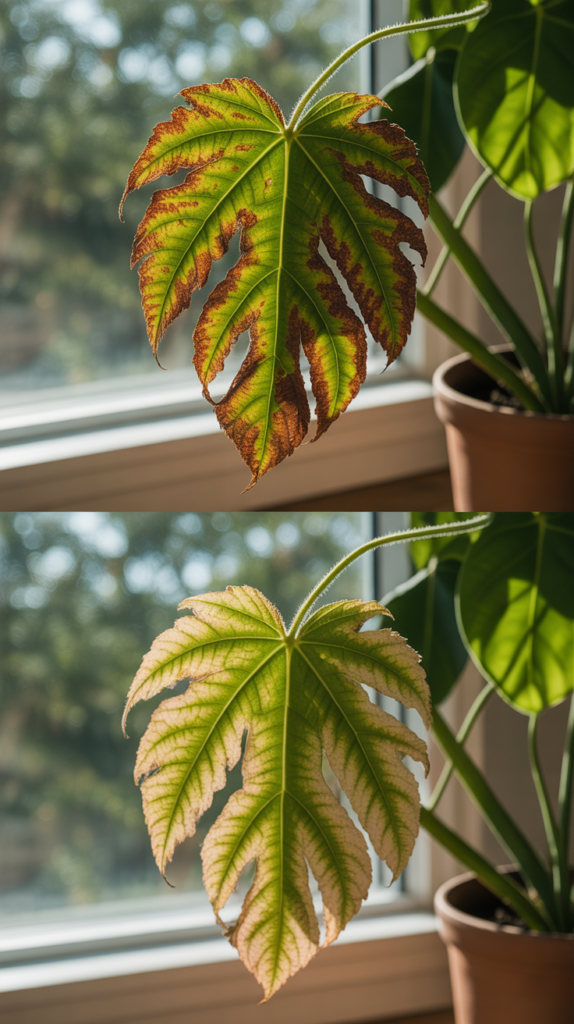
Leaves develop dry, brown patches or look faded and crispy. This can happen when a plant is exposed to too much direct sunlight too quickly.
It’s a surprising plant care problem because many people assume more sunlight is always better.
The easy fix
Move the plant slightly away from direct sun or filter the light with a curtain. If relocating a plant, do it gradually so it can adjust.
Why this works
Plants need time to adapt to stronger light. Sudden exposure can damage leaf tissue, especially for indoor plants moved outside.
Real-life example
A houseplant placed directly in strong afternoon sun may show burn marks within a day or two, especially if it was previously in low light.
9. Plants Leaning to One Side
The problem
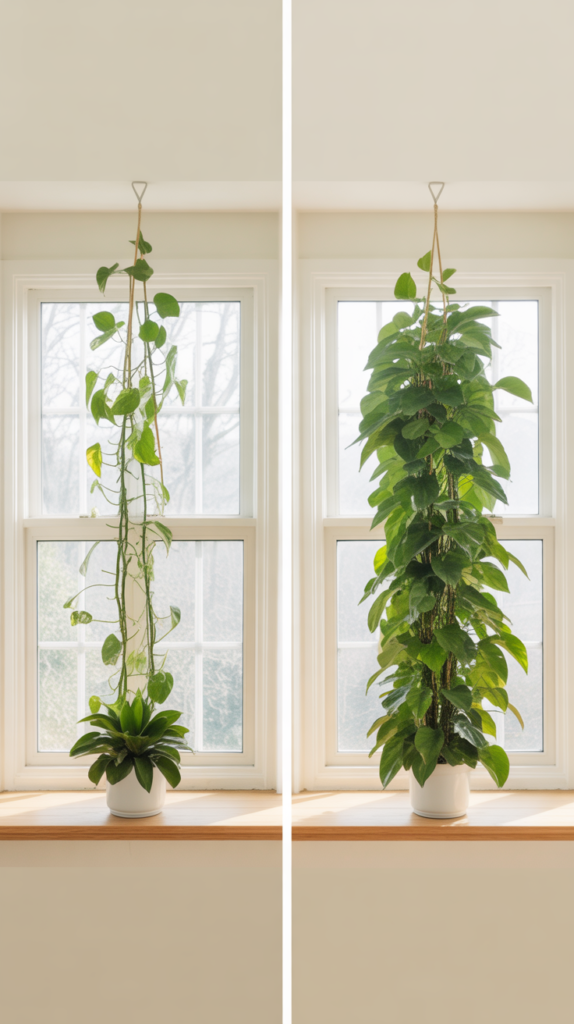
Your plant starts leaning noticeably in one direction, often toward a window. Over time, it can look uneven or even unstable.
This is a very common indoor plant care problem.
The easy fix
Rotate your plant every few days so all sides receive equal light.
Why this works
Plants naturally grow toward light. Rotating them keeps growth balanced and prevents uneven development.
Real-life example
A pothos or fiddle leaf fig near a window often starts leaning heavily. Regular rotation keeps it upright and symmetrical.
10. No New Growth
The problem
Your plant is not dying—but it is not growing either. Weeks pass with no new leaves, no visible progress, and no signs of development.
This is one of the most frustrating plant care problems because it feels like nothing is happening.
The easy fix
Check the basics:
- Is the plant getting enough light?
- Is it being watered correctly?
- Does it need fresh soil or a slightly bigger pot?
Adjust one factor at a time and observe changes.
Why this works
Plants pause growth when conditions are not ideal. Improving light, soil, or watering often restarts healthy development.
Real-life example
A plant placed in a dim corner may stay alive but stop growing entirely until it is moved into better light.
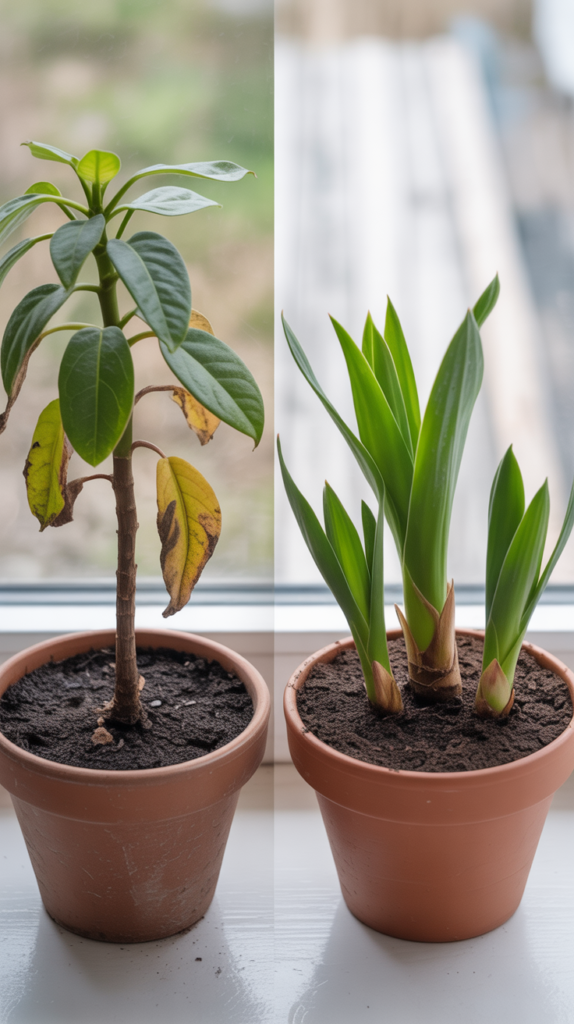
11. Drooping Leaves
The problem
Your plant suddenly looks tired, with leaves hanging down instead of standing upright. This can feel alarming, especially if it happens quickly.
Drooping is one of the most confusing plant care problems because it can mean different things.
The easy fix
Check soil moisture first:
- Dry soil → water the plant
- Wet soil → reduce watering and allow it to dry
Also consider heat or sudden environmental changes.
Why this works
Drooping is often a response to stress. Restoring the right moisture balance usually helps the plant recover.
Real-life example
Peace lilies are known for dramatic drooping when they are thirsty—but they often perk up within hours after watering.
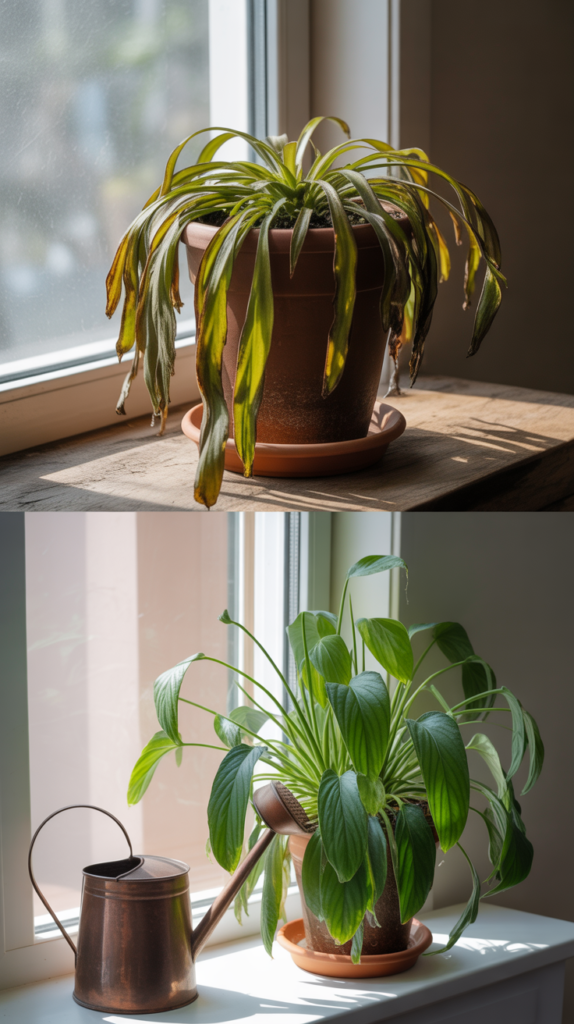
12. Leaves Curling or Twisting
The problem
Leaves start curling inward, twisting, or changing shape. This can look strange and concerning, especially if it appears suddenly.
This plant care problem often signals stress.
The easy fix
Inspect for pests and check environmental conditions:
- Look under leaves for insects
- Check watering consistency
- Avoid extreme temperature changes
Why this works
Leaf curling is a protective response. Fixing the underlying stress helps the plant return to normal growth.
Real-life example
Plants exposed to sudden temperature shifts or pest activity often show curling before other symptoms appear.
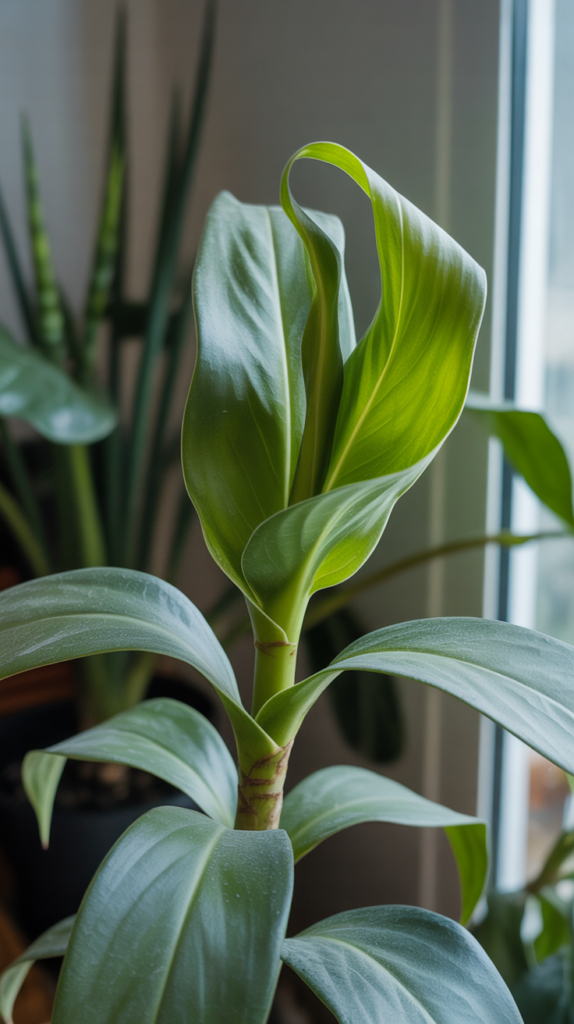
13. Aphids (Tiny Clusters of Bugs on New Growth)
The problem
You notice small, soft-bodied insects gathered on stems or new leaves. They may be green, black, or white—and they multiply quickly.
This is one of the most common plant care problems, especially on indoor plants and fresh growth.
The easy fix
Rinse the plant with a steady stream of water, focusing on the undersides of leaves. Repeat every few days until they’re gone.
Why this works
Aphids are fragile and easy to dislodge. Removing them early prevents a full infestation and protects new growth.
Real-life example
A pothos or rose may suddenly have clusters of aphids on new shoots. A few consistent rinses often solve the problem without needing chemicals.
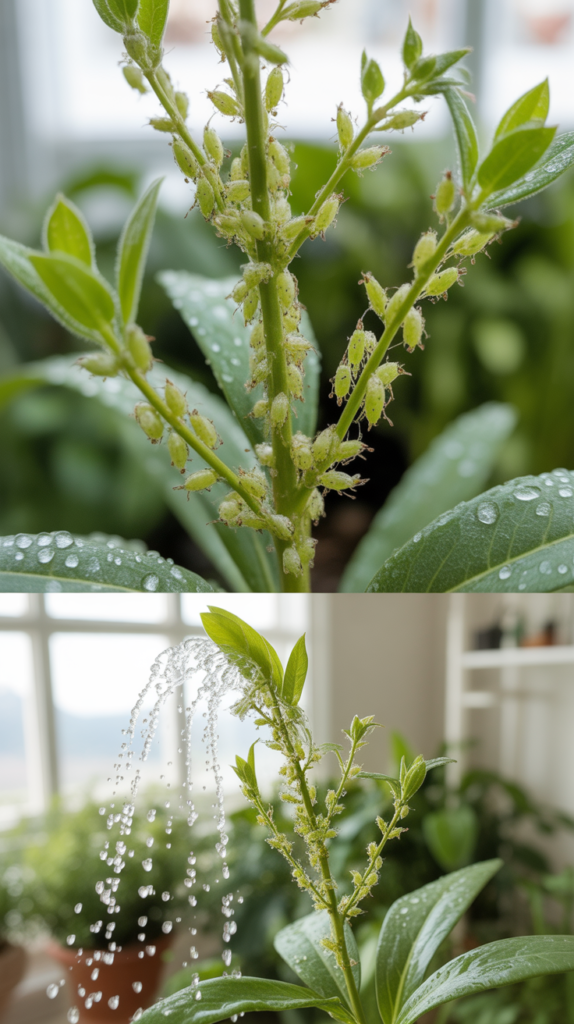
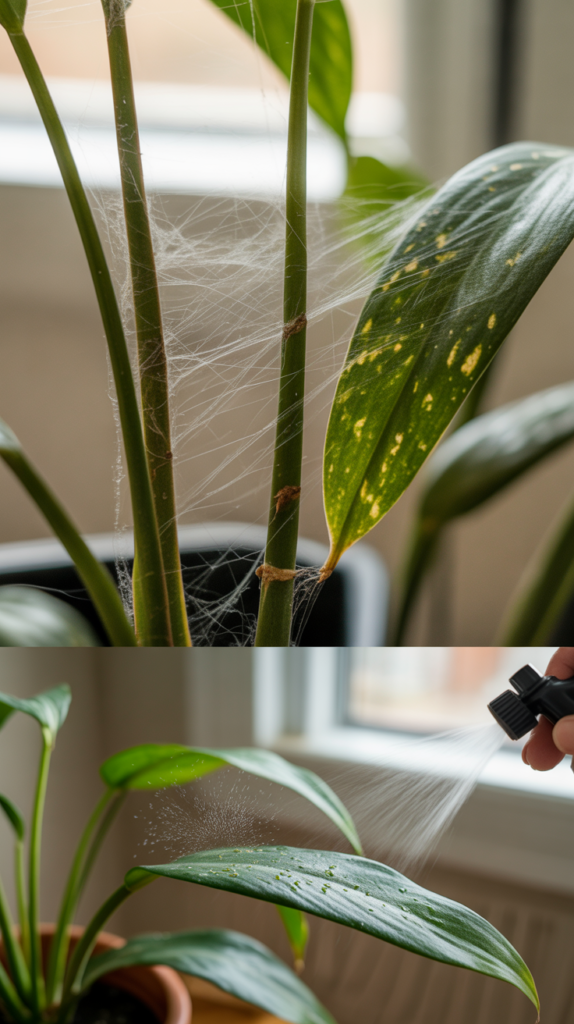
14. Spider Mites (Fine Webbing and Tiny Dots)
The problem
Leaves start looking dusty or speckled, and you may notice fine webbing between stems. Spider mites are tiny and easy to miss at first, but they spread fast.
This is a frustrating plant care problem because it often goes unnoticed until damage appears.
The easy fix
Wipe leaves gently and rinse the plant regularly. Increase humidity around the plant, as spider mites thrive in dry conditions.
Why this works
Spider mites dislike moisture. Regular cleaning and higher humidity make it harder for them to survive and spread.
Real-life example
This is very common in dry indoor environments, especially during winter when heating systems reduce humidity.
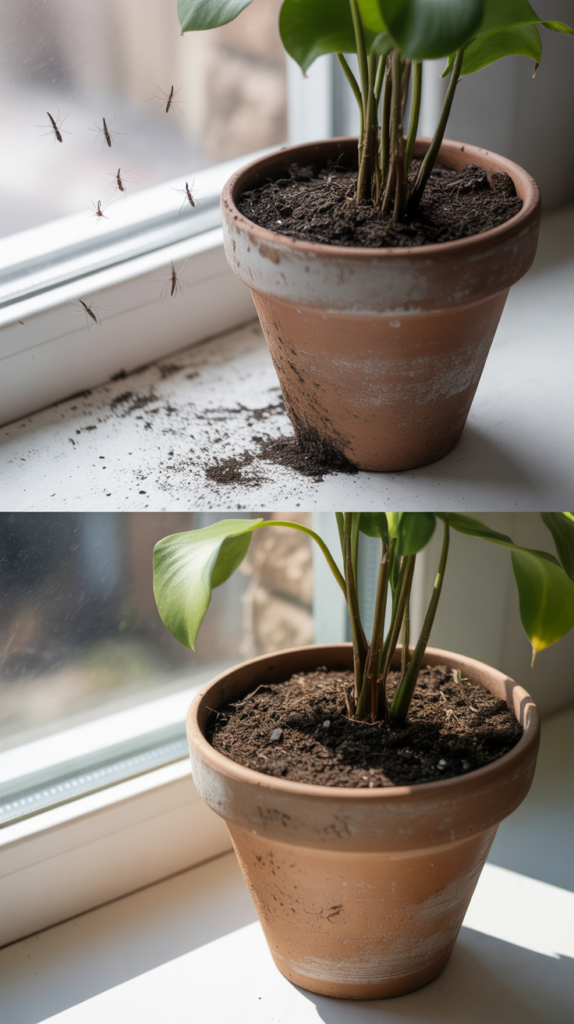
15. Fungus Gnats (Tiny Flying Bugs Around Soil)
The problem
You notice small flies hovering around your plant, especially near the soil. These are fungus gnats, and they’re often linked to overly moist soil.
While the adults are mostly harmless, their larvae can affect roots in severe cases.
The easy fix
Let the top layer of soil dry out more between waterings and avoid overwatering. You can also remove the top layer of soil and replace it with fresh mix.
Why this works
Fungus gnats thrive in damp conditions. Drying the soil breaks their life cycle and reduces their population.
Real-life example
This often happens in houseplants that are watered too frequently. Once watering is adjusted, the gnats usually disappear.
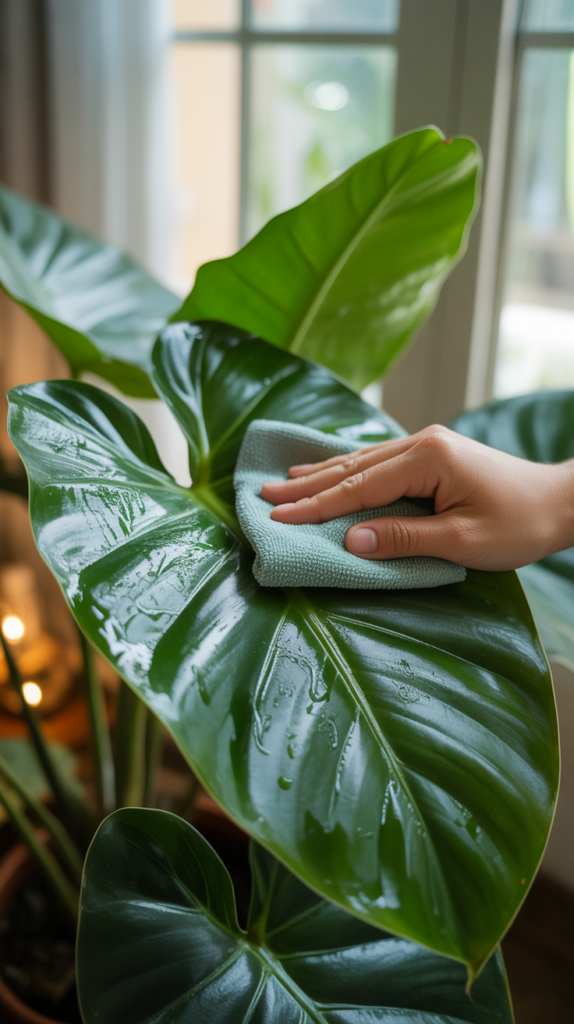
16. Sticky Leaves (Residue on Plant Surface)
The problem
Your plant leaves feel sticky or look shiny, almost like they’re coated. This is often caused by pests like aphids or whiteflies leaving behind a residue.
It’s one of those plant problems and solutions situations where the symptom leads you to the real issue.
The easy fix
Wipe the leaves gently with water and check for pests underneath. Treat the pest issue early to stop the residue from returning.
Why this works
Cleaning removes the buildup, while removing pests prevents it from happening again.
Real-life example
Indoor plants like ficus or citrus often develop sticky leaves when pests go unnoticed.
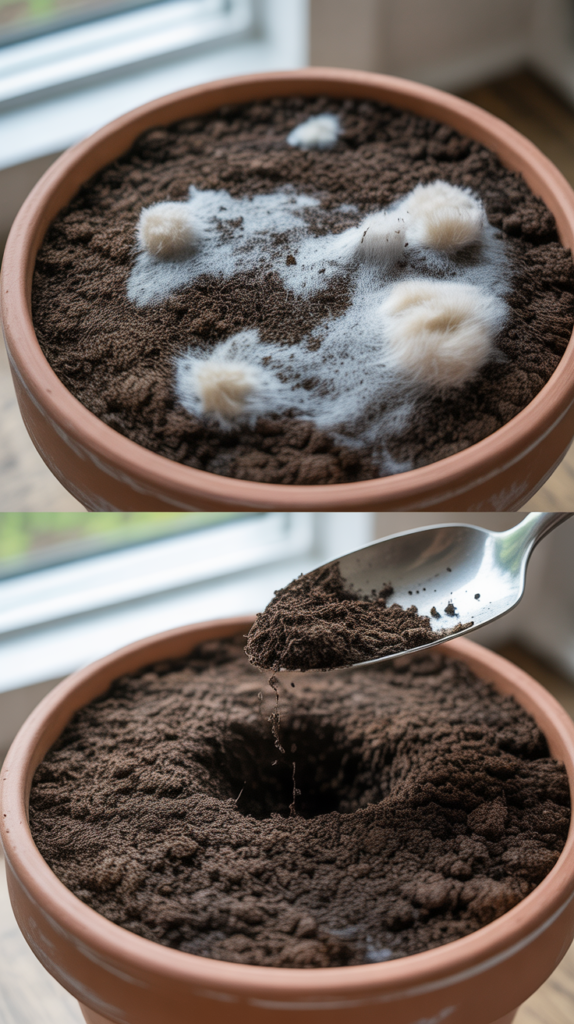
17. Mold or Fuzzy Growth on Soil
The problem
You notice white, fuzzy growth on the surface of your soil. It can look alarming, but it’s usually caused by excess moisture and poor airflow rather than a serious disease.
This is a common indoor plant care problem.
The easy fix
Let the soil dry out more between watering and improve airflow around the plant. You can also remove the top layer of affected soil and replace it.
Why this works
Mold thrives in damp, still environments. Reducing moisture and increasing airflow makes it harder for it to grow.
Real-life example
This often happens in rooms with low airflow or when plants are watered too frequently.
18. Brown or Black Spots on Leaves
The problem
Leaves develop dark spots or patches, which can spread over time. This can be caused by overwatering, fungal issues, or environmental stress.
It’s one of the more worrying plant care problems, especially when it spreads.
The easy fix
Remove affected leaves and avoid watering directly onto foliage. Improve airflow and make sure the plant is not sitting in overly wet soil.
Why this works
Removing damaged areas prevents spreading, while better conditions reduce the chance of further issues.
Real-life example
Plants in humid, crowded spaces often develop spots when leaves stay wet too long.
19. Over-Fertilizing Your Plants
The problem
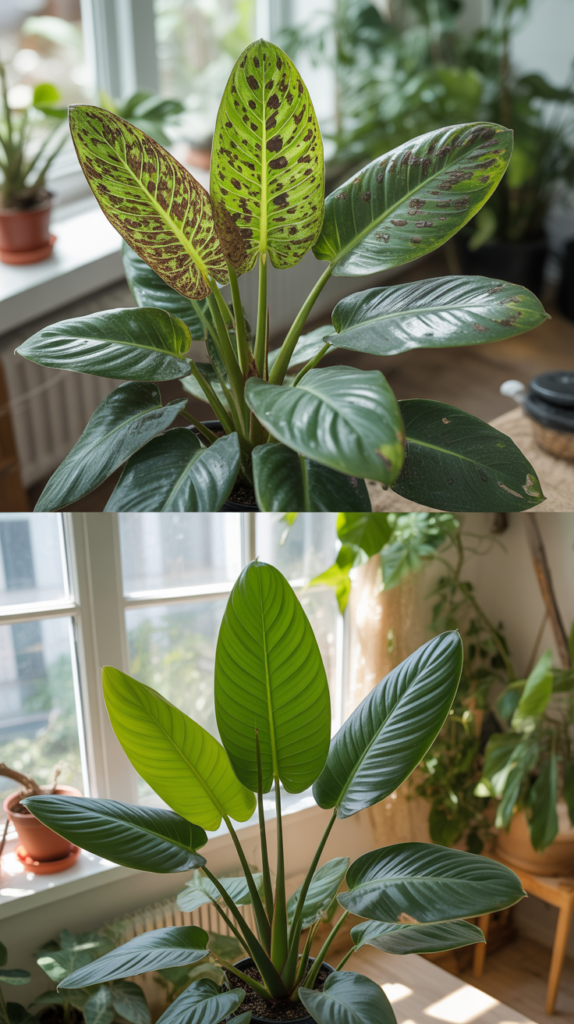
It’s easy to think more fertilizer means faster growth—but that’s one of the most common plant care problems. Too much fertilizer can actually harm your plant.
You might notice:
- Brown leaf edges
- Weak, overly soft growth
- White crust on soil
The easy fix
Reduce how often you fertilize and dilute it more than recommended if needed. Always apply fertilizer to slightly moist soil—not dry soil.
Why this works
Excess nutrients build up in the soil and can burn roots. A lighter, balanced approach keeps growth steady and healthy.
Real-life example
A plant that suddenly develops brown edges after feeding often isn’t lacking nutrients—it’s getting too much.
20. Not Repotting When Needed
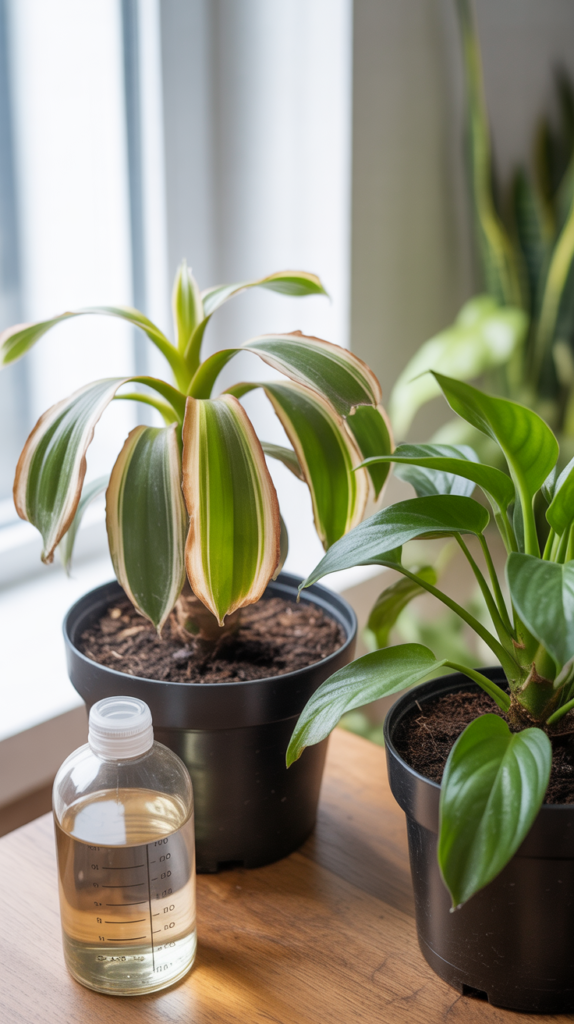
The problem
Your plant stops growing, dries out quickly, or looks cramped—but you haven’t changed its pot in a long time. This is a very common plant care problem, especially with fast-growing plants.
The easy fix
Check the roots. If they are circling tightly or filling the pot completely, it’s time to repot into a slightly larger container with fresh soil.
Why this works
When roots run out of space, they can’t absorb water and nutrients properly. More room allows the plant to grow again.
Real-life example
A pothos or monstera that hasn’t been repotted for a year or more may suddenly stop growing until given more space.
21. Using the Wrong Pot Size
The problem
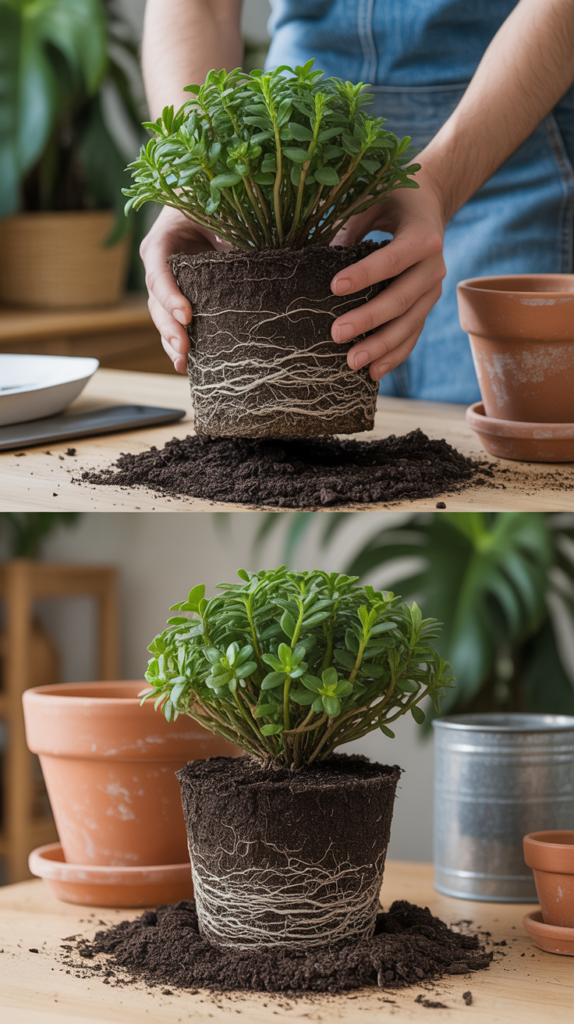
Choosing the wrong pot size—either too small or too large—can create problems for your plant.
- Too small → roots get crowded
- Too large → soil stays wet too long
This is one of those hidden plant care problems beginners often overlook.
The easy fix
Choose a pot that is just one size larger than the current root ball. Avoid jumping to very large pots too quickly.
Why this works
The right pot size keeps moisture balanced and allows roots to grow without stress.
Real-life example
A small plant placed in a large pot may struggle because the soil holds too much moisture, leading to root issues.
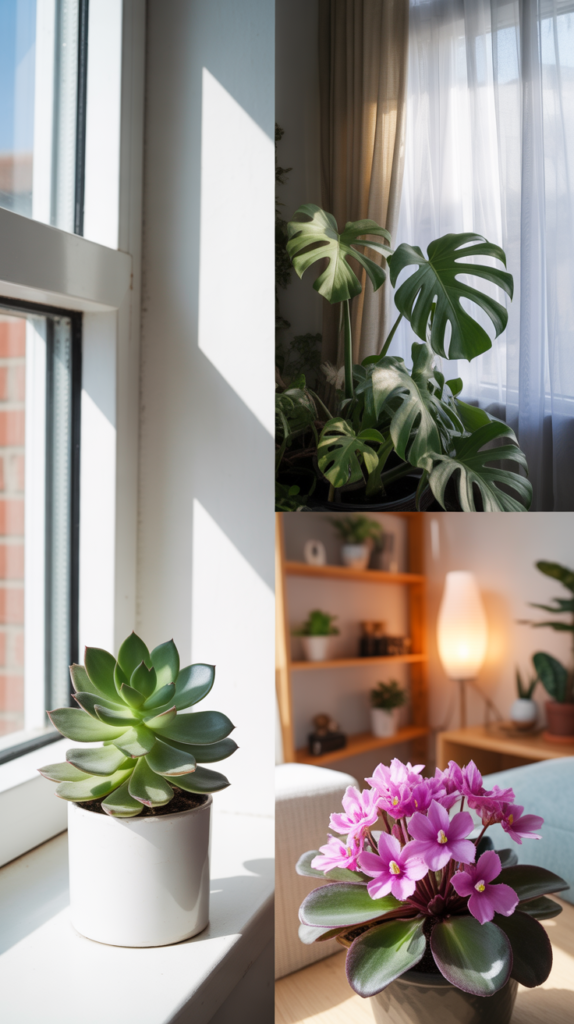
22. Ignoring Your Plant Type
The problem
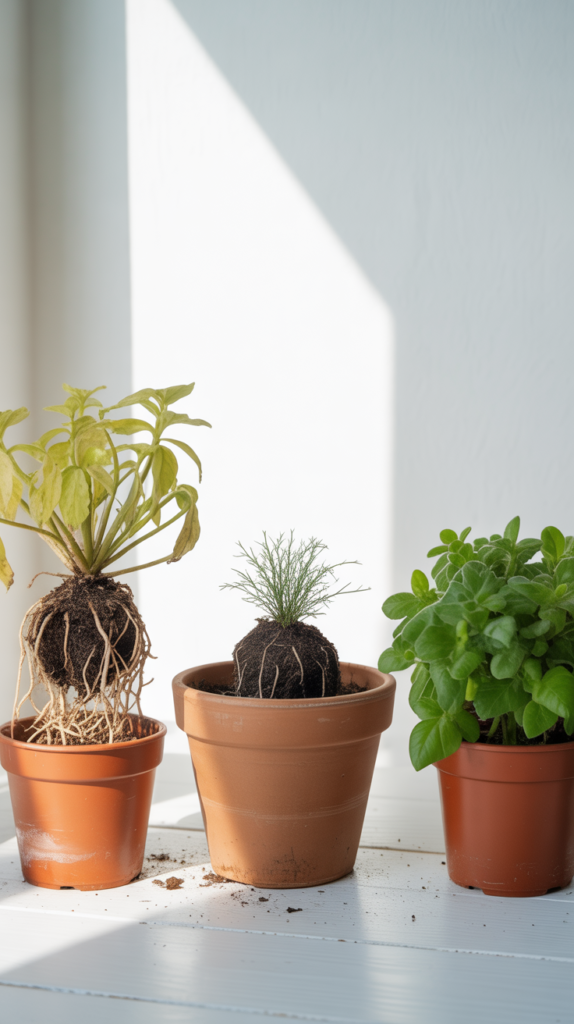
Not all plants need the same care. Treating every plant the same way is one of the most common plant care problems, especially for beginners.
Some plants prefer dry soil, others need constant moisture. Some need bright light, others thrive in shade.
The easy fix
Learn the basic needs of each plant you own:
- Light requirements
- Watering needs
- Soil preference
Even a quick check can make a big difference.
Why this works
When care matches the plant’s natural environment, it becomes much easier to maintain healthy growth.
Real-life example
Succulents often fail when treated like leafy houseplants because they are overwatered.
23. Not Cleaning Your Plant Leaves
The problem
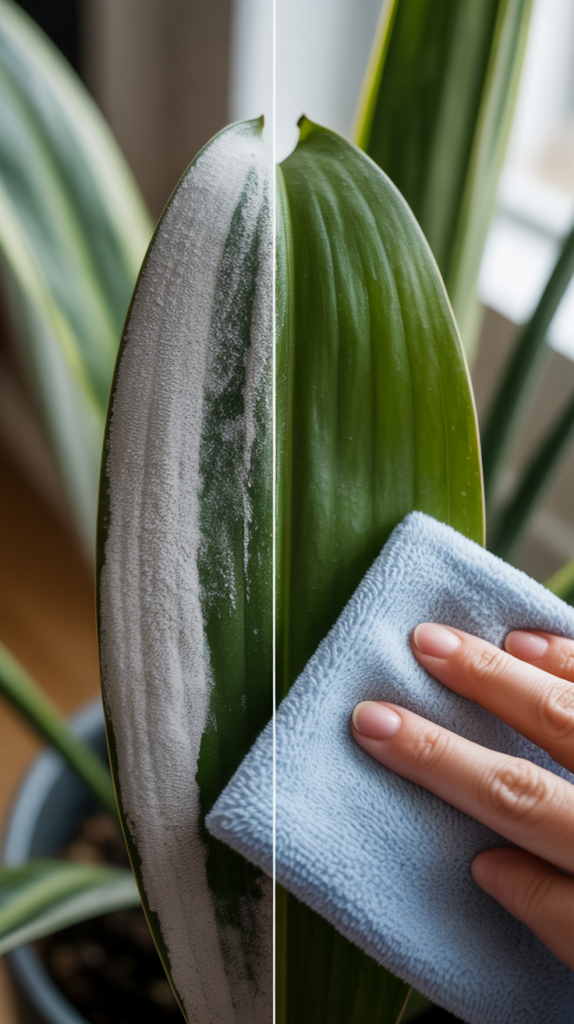
Dust collects on plant leaves over time, especially indoors. This blocks light and reduces the plant’s ability to photosynthesize properly.
It’s a small but important plant care problem.
The easy fix
Wipe leaves gently with a damp cloth every so often. For larger plants, a gentle rinse in the shower works well.
Why this works
Clean leaves absorb more light and stay healthier. It also helps you spot pests early.
Real-life example
Indoor plants near windows or in busy rooms often collect dust quickly and look dull until cleaned.
24. Giving Up Too Soon
The problem
This is the most human of all plant care problems. A plant struggles, loses leaves, or doesn’t grow as expected—and it feels like failure.
But every plant owner goes through this.
The easy fix
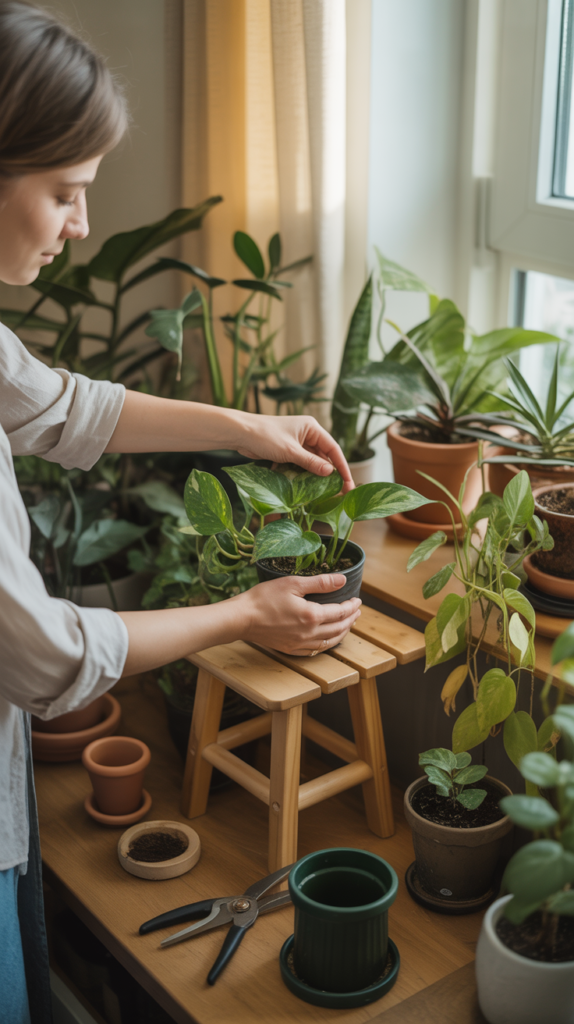
Start small and stay consistent. Focus on learning from one plant at a time instead of trying to fix everything at once.
Why this works
Plant care improves with experience. Small wins build confidence, and confidence leads to better habits.
Real-life example
A plant that struggled at first may thrive later once watering, light, and care are adjusted.
Conclusion: Plant Care Gets Easier Than You Think
Most plant care problems are not permanent—and they’re definitely not a sign that you’re bad at caring for plants. They’re simply part of learning how plants respond to water, light, soil, and environment.
The key is not to fix everything at once. Start with one issue that looks familiar. Adjust it. Watch how your plant responds. Then move on to the next.
Over time, these small fixes add up. What once felt confusing starts to feel natural. And instead of guessing, you begin to understand exactly what your plants need.
That’s when plant care becomes what it’s meant to be—simple, enjoyable, and rewarding 🌿