20 Garden Pest Problems and Natural Solutions
You walk into your garden, expecting fresh growth and healthy leaves… and instead you find tiny bugs, sticky residue, or leaves that suddenly look damaged.
It can feel frustrating—like your plants are under attack overnight. And honestly, they are. But here’s the important part: garden pest problems are completely normal. Every gardener deals with them at some point.
The good news? You don’t need harsh chemicals or complicated treatments. In most cases, simple and natural solutions work surprisingly well—especially when you catch the problem early.
Let’s start with the most common pests you’ll find directly on leaves and stems. These are the ones you’ll notice first—and fixing them early makes a huge difference.
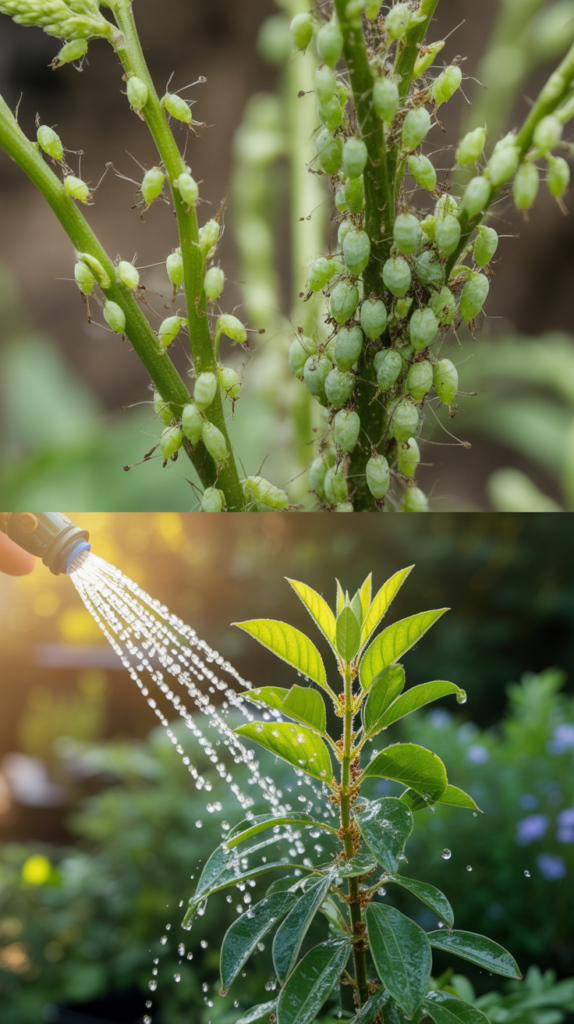
1. Aphids (Clusters of Tiny Bugs on New Growth)
The problem
Aphids are one of the most common garden pest problems. You’ll usually find them clustered on new growth—tiny green, black, or white insects covering stems and leaves.
They suck sap from the plant, which leads to:
- Curling leaves
- Sticky residue (called honeydew)
- Weak or distorted growth
Natural solution
Start with a strong spray of water. Focus on the undersides of leaves where aphids hide. Repeat daily for a few days.
You can also:
- Encourage ladybugs (natural predators)
- Use a mild soap-water spray if needed
Why this works
Aphids are soft-bodied and easy to remove. Water alone can dramatically reduce their numbers before they spread.
Real-life example
Roses, peppers, and leafy greens often get aphids on fresh shoots. A quick daily rinse usually keeps them under control without chemicals.
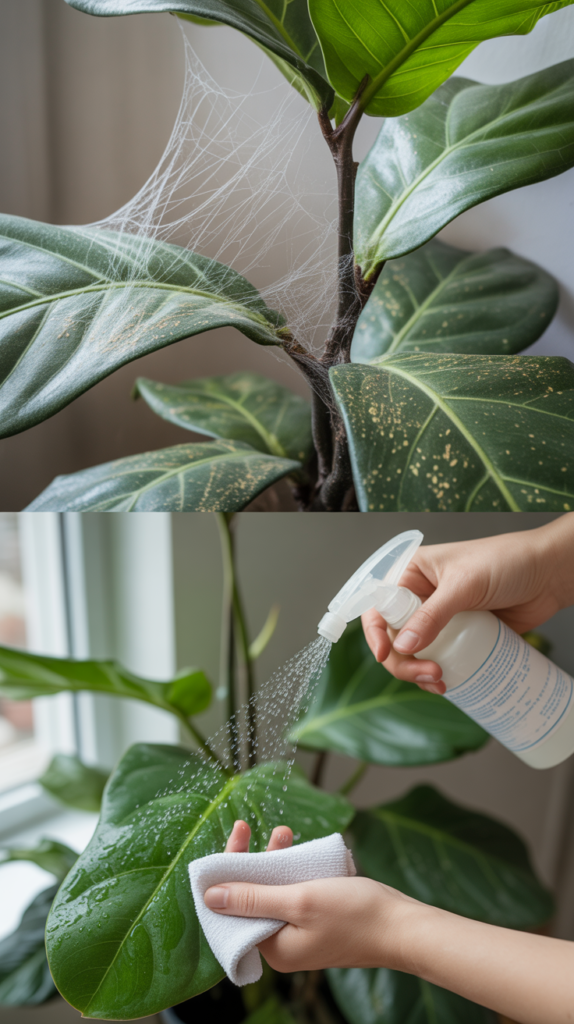
2. Spider Mites (Fine Webbing and Dusty Leaves)
The problem
Spider mites are tiny and easy to miss at first. You might notice:
- Leaves looking dusty or speckled
- Fine webbing between stems
- Gradual leaf damage
This is a very common garden pest problem, especially in dry conditions.
Natural solution
Mist the plant regularly and rinse the leaves. Wipe them gently to remove mites and eggs.
Why this works
Spider mites thrive in dry environments. Increasing humidity and cleaning leaves makes it harder for them to survive.
Real-life example
This often happens in hot, dry weather or indoor plants near heating. Regular misting helps keep them away.
3. Whiteflies (Tiny White Flying Insects)
The problem
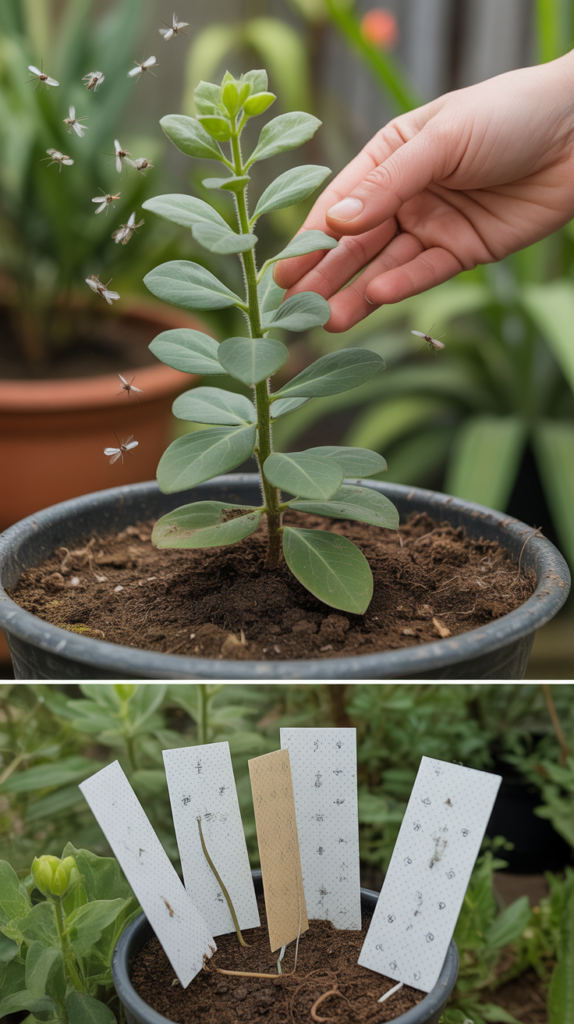
When you disturb your plant, tiny white insects fly up like a small cloud. These are whiteflies, and they feed on plant sap just like aphids.
Signs include:
- Sticky leaves
- Weak growth
- Yellowing leaves
Natural solution
Gently shake or disturb the plant and rinse it with water. You can also use yellow sticky traps to catch flying adults.
Why this works
Whiteflies are weak flyers and easy to disrupt. Removing adults reduces their ability to reproduce quickly.
Real-life example
Whiteflies are common on tomatoes and indoor plants. Once controlled early, they are much easier to manage.
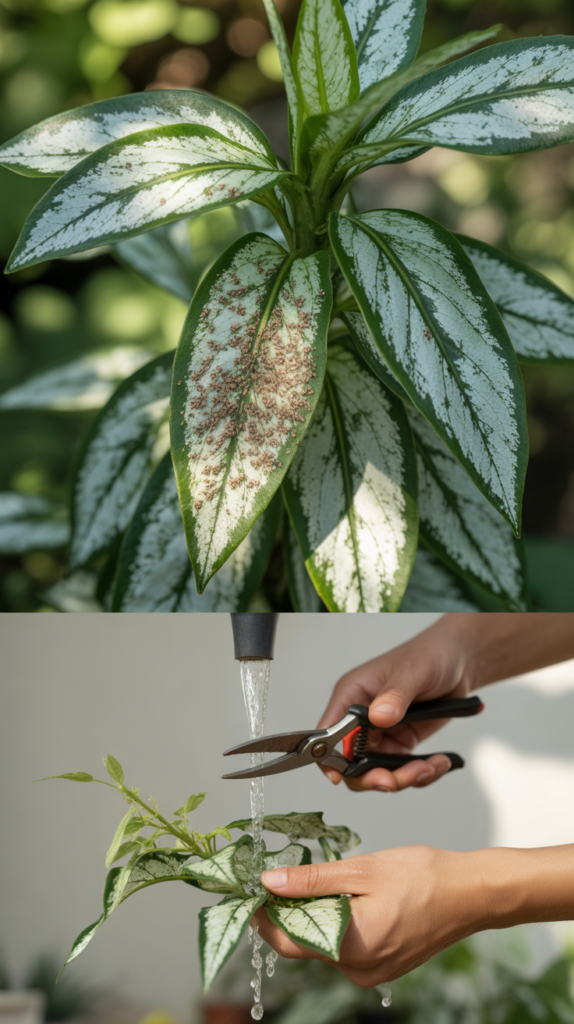
4. Thrips (Silvery Streaks on Leaves)
The problem
Thrips are tiny pests that are hard to see, but the damage is noticeable:
- Silvery or streaky patches on leaves
- Distorted growth
- Leaves looking scratched or dull
This is one of those garden pest problems where the damage appears before the pest is obvious.
Natural solution
Remove heavily affected leaves and rinse the plant thoroughly. Keep checking regularly to prevent spreading.
Why this works
Thrips spread quickly, but early removal of damaged areas reduces their population significantly.
Real-life example
This is common on indoor plants and vegetables. Once the damage is spotted early, control becomes much easier.
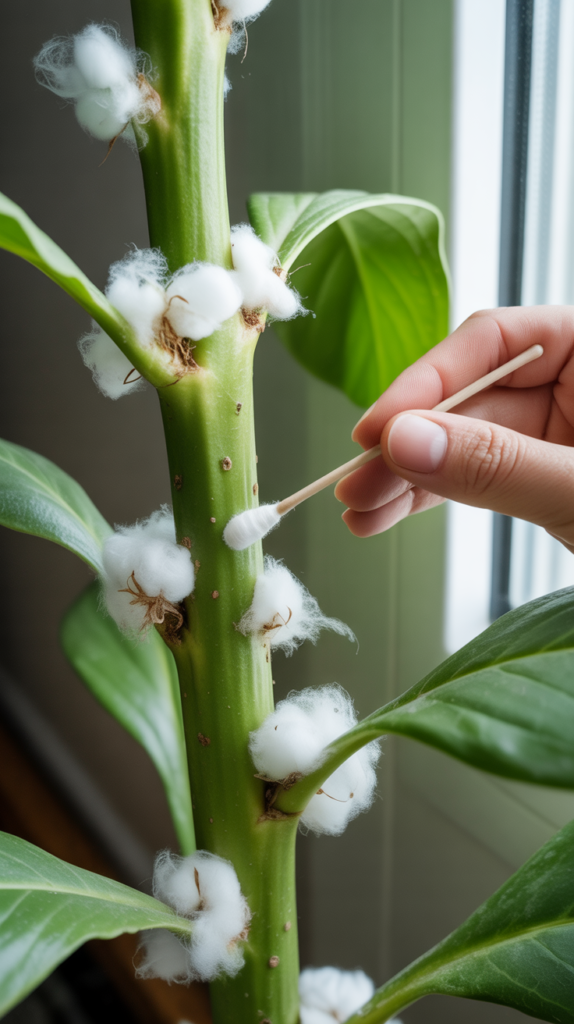
5. Mealybugs (White Cotton-Like Clusters)
The problem
Mealybugs look like small white cottony patches on stems and leaf joints. They are easy to spot but can spread quickly.
They cause:
- Sticky residue
- Weak growth
- Leaf drop
Natural solution
Wipe them off using a cotton swab dipped in water or diluted alcohol. Isolate the plant if needed to prevent spreading.
Why this works
Mealybugs cling tightly to plants, so direct removal is very effective. Cleaning them manually stops the infestation early.
Real-life example
Houseplants like succulents and tropical plants often get mealybugs around leaf joints. Quick removal usually solves the issue.
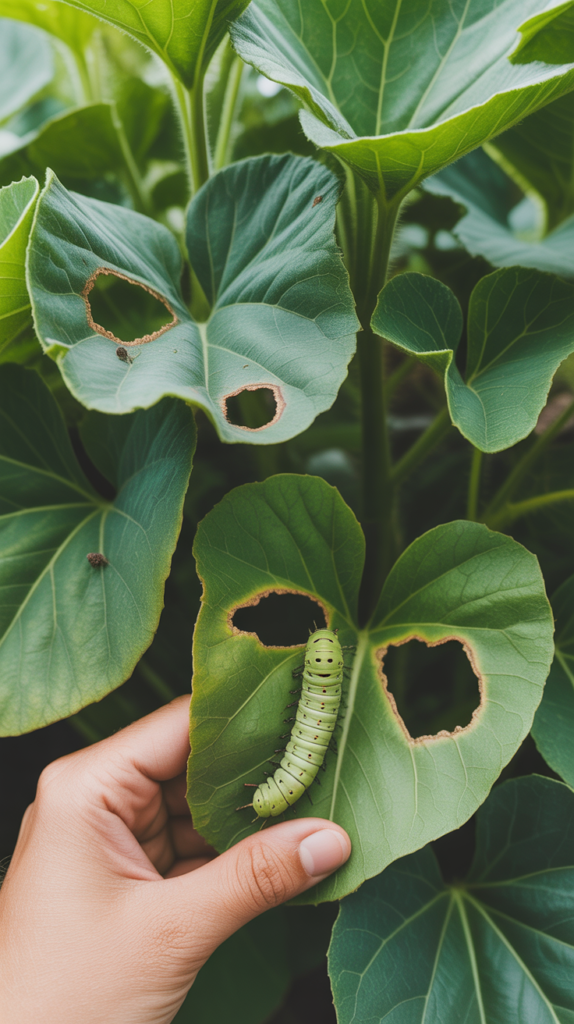
6. Caterpillars (Big Holes in Leaves Almost Overnight)
The problem
Caterpillars are one of the easiest pests to miss at first and one of the fastest to notice once the damage starts. You may go out one morning and find large, irregular holes in leaves that looked perfectly fine the day before.
Unlike tiny sap-sucking pests, caterpillars chew. They can strip tender leaves quickly, especially on herbs, leafy greens, brassicas, and flowering plants.
Common signs include:
- Large holes in leaves
- Chewed leaf edges
- Dark droppings on leaves or soil
- Missing chunks from soft new growth
Natural solution
Hand-pick caterpillars off the plant and remove them right away. Check under leaves and around stems where they like to hide.
You can also:
- Inspect plants early in the morning or near dusk
- Cover vulnerable crops with fine mesh garden netting
- Remove eggs if you spot them under leaves
Why this works
Caterpillars are larger than many other pests, so physical removal is one of the fastest and most effective natural solutions. If you catch them early, you can stop major damage without spraying anything.
Real-life example
Cabbage, kale, parsley, and even petunias can suddenly look shredded. Often, the gardener assumes something mysterious happened, but one close look under the leaves reveals the culprit.
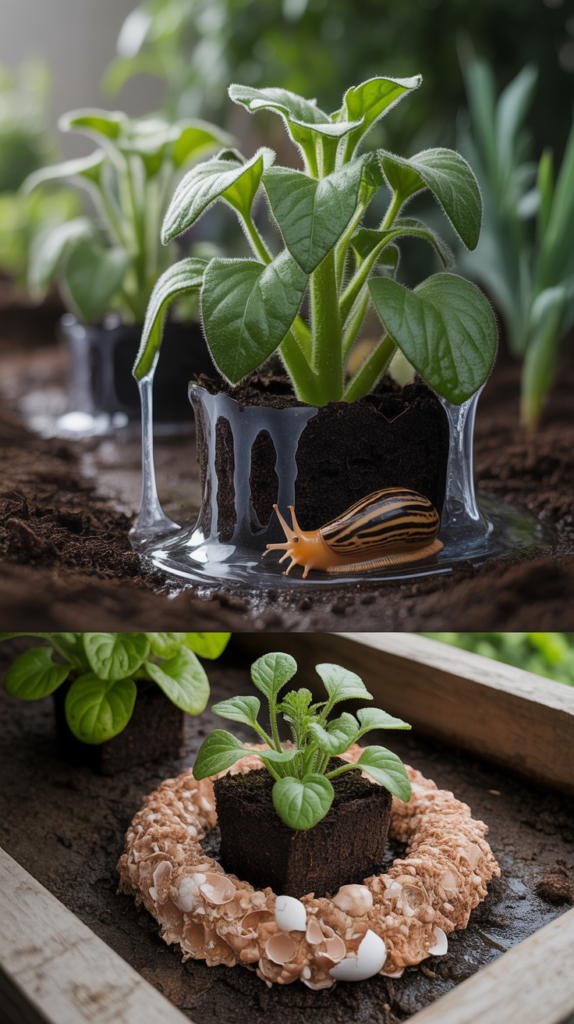
7. Slugs and Snails (Holes in Leaves and Slime Trails)
The problem
If you see ragged holes in leaves along with shiny slime trails, slugs or snails are usually the reason. They love damp, shady conditions and tend to feed at night, which is why the damage often seems to appear out of nowhere.
They especially love:
- Lettuce
- Hostas
- Seedlings
- Strawberries
- Soft young leaves
Natural solution
Use natural barriers and reduce hiding spots. Good options include:
- Crushed eggshells around vulnerable plants
- Copper barriers around pots or beds
- Clearing damp debris, boards, or thick mulch where they hide
- Hand-picking in the evening or early morning
Why this works
Slugs and snails prefer moist, protected paths. When you make the area rougher, drier, and less sheltered, they are much less likely to stick around.
Real-life example
A healthy tray of lettuce can look chewed overnight after a damp evening. Often the fix is not complicated—it is just a mix of tidying up the area and protecting the plant base.
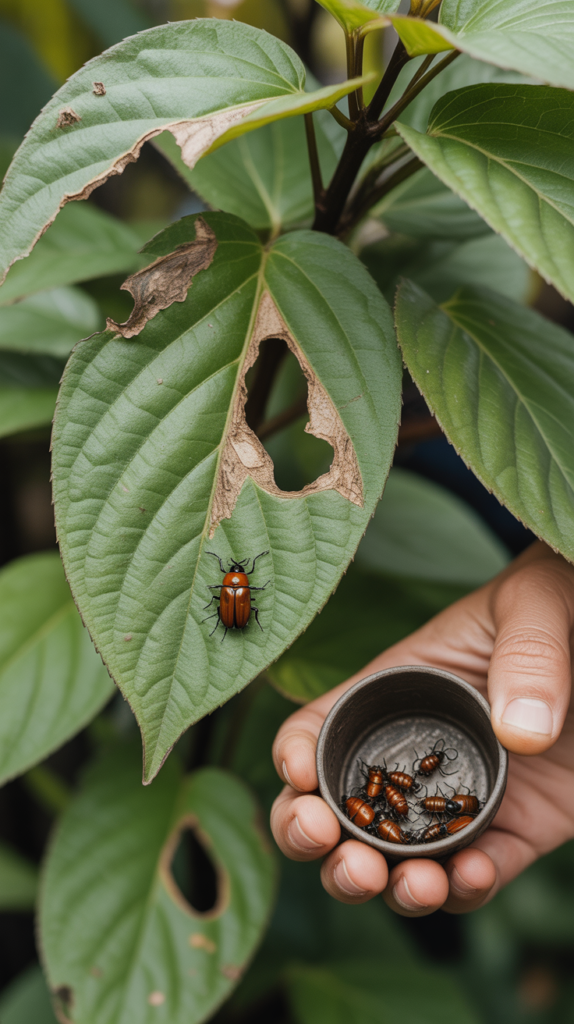
8. Beetles (Chewed Leaves and Sudden Damage)
The problem
Beetles can be frustrating because they show up fast, chew aggressively, and are not always easy to spot at first. Depending on the type, they may leave holes, skeletonized leaves, or ragged edges behind.
This kind of damage is common on:
- Beans
- Roses
- Eggplant
- Herbs
- Ornamentals
Natural solution
Hand-remove beetles when you see them and inspect plants regularly. If infestations are light, that alone may be enough.
You can also:
- Shake beetles into a bucket of soapy water
- Remove badly damaged leaves
- Use row covers on especially vulnerable crops
Why this works
Many beetles are large enough to control physically. Early removal prevents them from settling in and reproducing in greater numbers.
Real-life example
A gardener may notice bean leaves full of new holes and assume it is general pest damage. Then one morning, a quick inspection reveals a few beetles doing far more damage than expected.
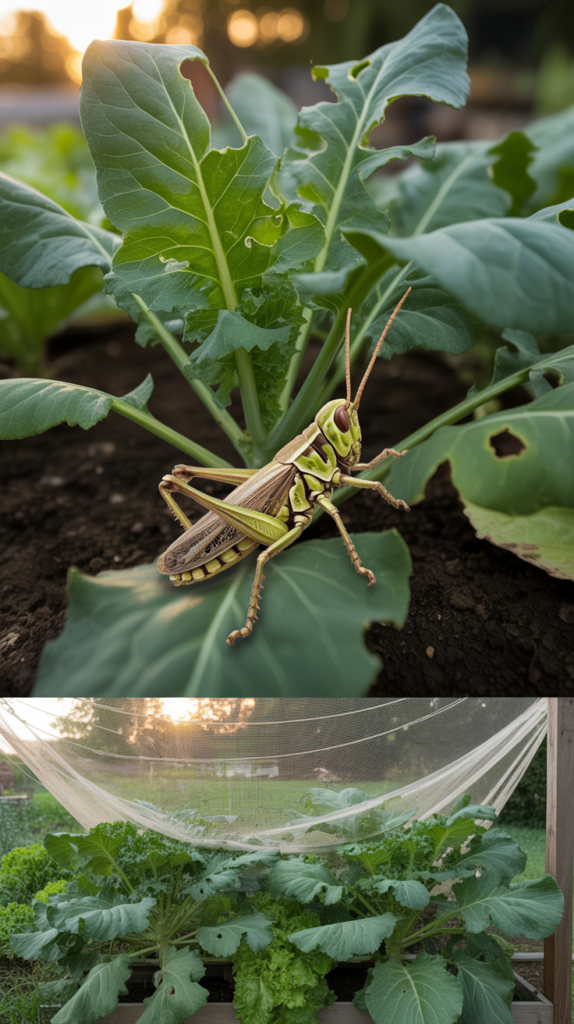
9. Grasshoppers (Fast, Heavy Leaf Damage)
The problem
Grasshoppers can do a surprising amount of damage in a short time, especially in warm weather. They chew broad sections of leaves and often target tender growth, flowers, and vegetables.
They are harder to catch than slower pests because they jump away quickly when disturbed.
Common signs include:
- Large chunks missing from leaves
- Damage spread across multiple plants
- Visible grasshoppers in the area
- Sudden feeding on flowers and vegetable leaves
Natural solution
Use lightweight netting or garden fabric to physically block access to vulnerable plants. In smaller gardens, hand-removal can help, but prevention works better here than trying to catch every insect.
You can also:
- Keep weeds and tall grass trimmed around the garden
- Protect the most vulnerable beds first
- Focus on seedlings and leafy crops that they prefer
Why this works
Grasshoppers are mobile and persistent, so barriers are often the most realistic natural solution. Blocking access is much easier than chasing them after damage begins.
Real-life example
A bed of greens can go from lush to ragged during a dry, hot stretch when grasshoppers are active. Covering the bed early usually works better than reacting later.
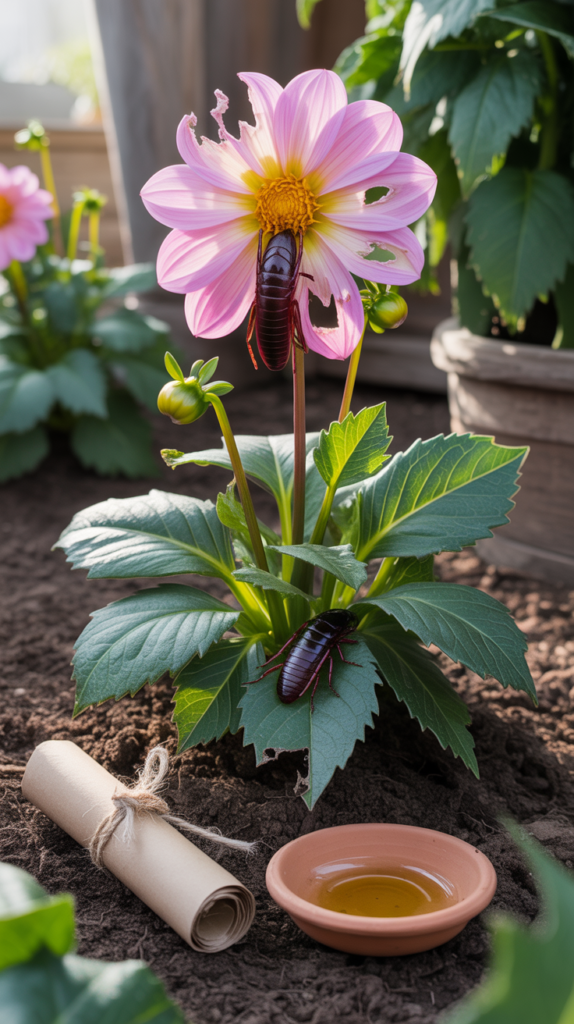
10. Earwigs (Irregular Holes and Hidden Night Feeding)
The problem
Earwigs are one of those pests gardeners do not always suspect right away. They hide during the day and come out at night, leaving irregular holes in leaves, petals, and tender growth.
They are often found in:
- Dahlias
- Lettuce
- Seedlings
- Marigolds
- Soft flower petals and leafy greens
Natural solution
Use simple traps and reduce cool, damp hiding spots. A common natural trick is to place rolled newspaper, shallow containers, or small shelter traps near affected plants, then remove the earwigs in the morning.
You can also:
- Clean up heavy debris and dense damp mulch
- Water earlier in the day so the area is less damp overnight
- Check around pots, boards, and leaf litter
Why this works
Earwigs like dark, moist hiding places. Traps give them an easy place to gather, which makes removal much simpler than trying to hunt for them across the whole garden.
Real-life example
A gardener may notice petals and leaves being nibbled but never see the pest during the day. After setting out a simple trap overnight, the cause becomes obvious
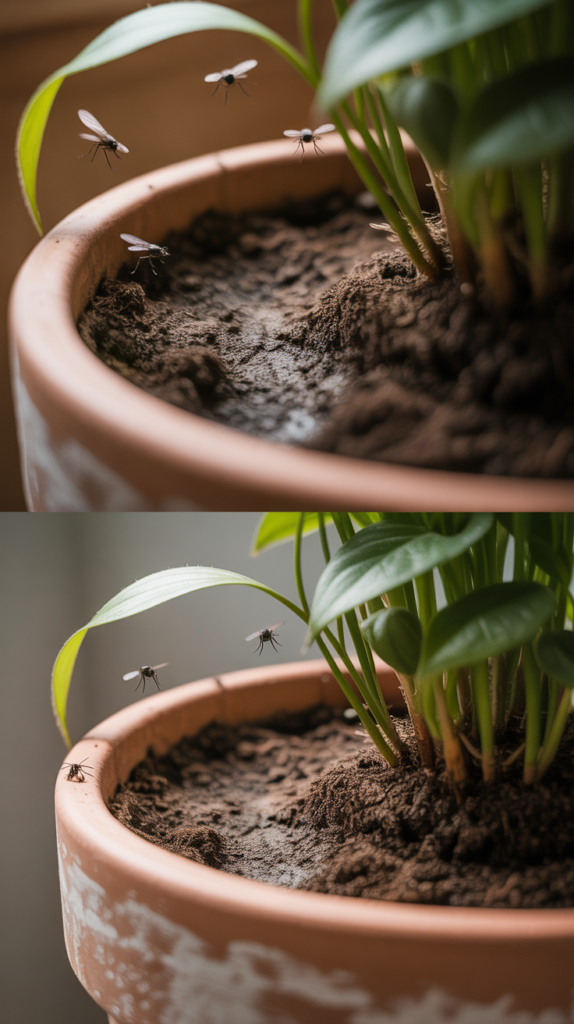
11. Fungus Gnats (Tiny Flies Around Soil)
The problem
You notice small black flies hovering around your plants, especially when you water. These are fungus gnats, and they are one of the most common garden pest problems in containers and indoor gardens.
While the adult flies are mostly annoying, their larvae live in the soil and can damage roots over time.
Signs include:
- Tiny flying insects near soil
- Constantly damp soil
- Weak or slow plant growth
Natural solution
Let the top layer of soil dry out between watering and avoid overwatering.
You can also:
- Remove the top inch of soil and replace it
- Use sticky traps to catch adults
- Improve airflow around plants
Why this works
Fungus gnats thrive in moist soil. Drying the surface breaks their life cycle and prevents them from reproducing.
Real-life example
This often happens with houseplants that are watered too frequently. Once watering is adjusted, the gnats usually disappear within days.
12. Root Aphids (Hidden Damage Below Soil)
The problem
Root aphids are harder to detect because they live below the soil surface. You may not see the insects, but the plant shows signs of stress.
Common symptoms:
- Yellowing leaves
- Weak growth
- Poor root health
- Plant decline despite proper care
Natural solution
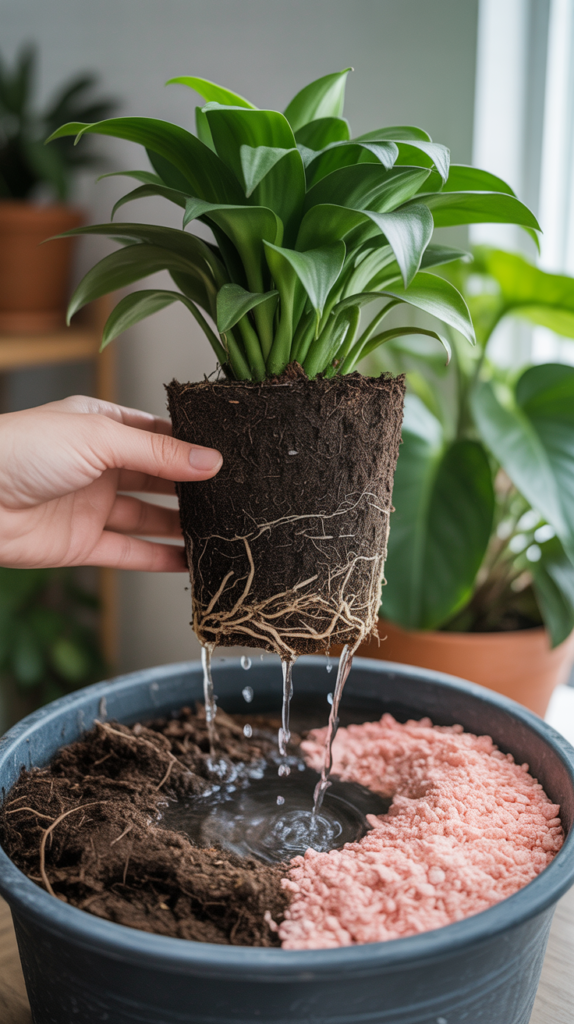
Remove the plant from the soil and rinse the roots gently. Repot in fresh, clean soil and discard the old mix.
Why this works
Root aphids live in the soil and feed on roots. Replacing the soil removes the source of the problem.
Real-life example
A plant that keeps declining despite correct watering and light may have root pests hiding out of sight. Repotting often reveals the issue.
13. Cutworms (Seedlings Cut at Soil Level)
The problem
You plant seedlings, and they seem fine… then suddenly they are cut off at the base, as if something sliced them overnight.
This is a classic garden pest problem caused by cutworms, which feed at soil level.
Signs include:
- Seedlings falling over
- Stems cut cleanly near the soil
- Damage happening overnight
Natural solution
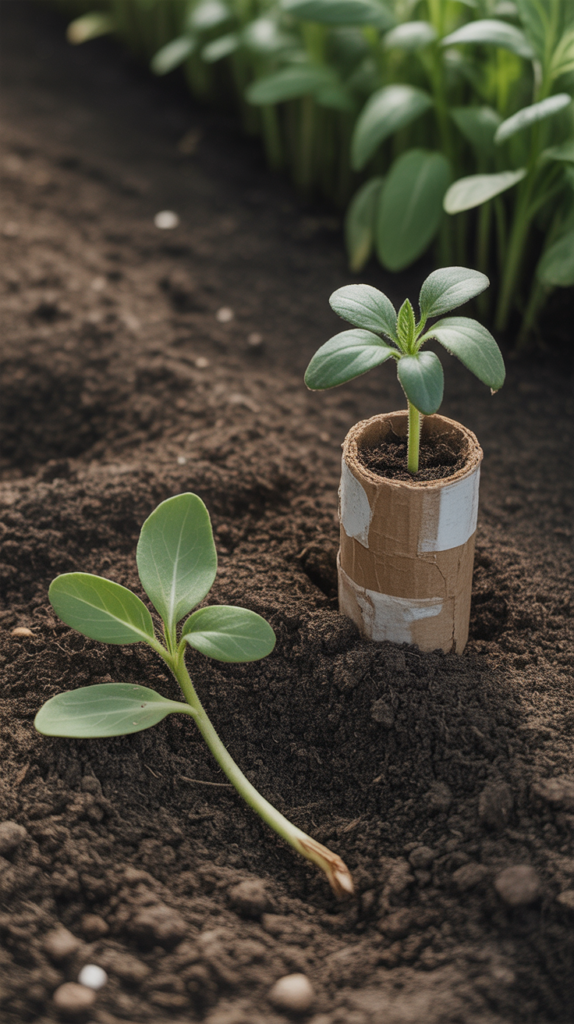
Protect young plants by placing simple collars around the base of each seedling. These can be made from cardboard, paper rolls, or small plastic rings.
Why this works
Cutworms attack at the soil line. Physical barriers prevent them from reaching the stem.
Real-life example
This often happens in vegetable gardens with young plants like tomatoes or lettuce. A simple collar can save an entire batch of seedlings.
14. Wireworms (Roots Being Eaten Underground)
The problem
Wireworms live in the soil and feed on roots, making them difficult to detect. Plants may look weak, stunted, or fail to thrive without any visible pests above ground.
Signs include:
- Poor growth despite proper care
- Wilting plants
- Damaged or missing roots
Natural solution
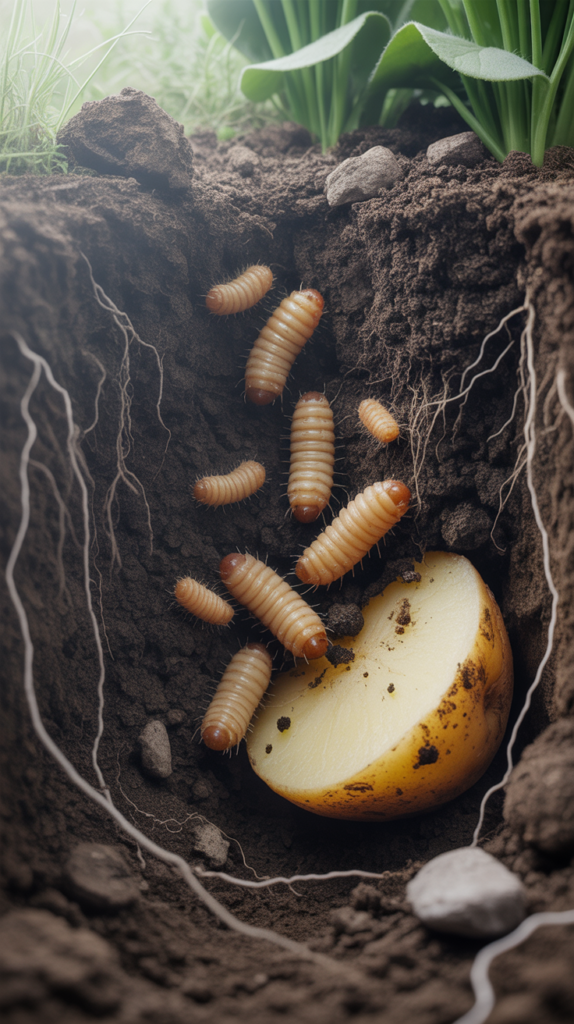
Disturb the soil regularly and remove any visible larvae. You can also use simple bait traps (like pieces of potato buried in soil) to attract and remove them.
Why this works
Wireworms live underground, so bringing them to the surface or trapping them helps reduce their population naturally.
Real-life example
Root vegetables and seedlings are especially vulnerable. Gardeners often discover the problem only after digging up struggling plants.
15. Ants (Protecting Other Pests)
The problem
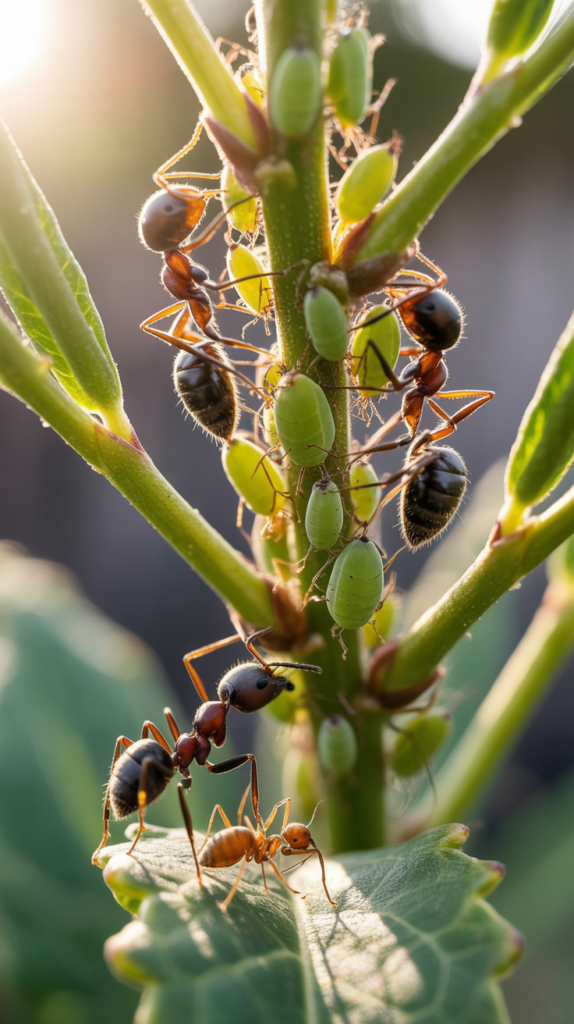
Ants themselves are not always harmful to plants—but they often “farm” pests like aphids because they feed on the sticky residue those pests produce.
So if you see ants, there is a good chance another pest problem is nearby.
Signs include:
- Ants moving along stems
- Aphids or other sap pests present
- Sticky residue on leaves
Natural solution
Control the aphids or pests first. Without their food source, ants usually leave.
You can also:
- Disrupt ant trails
- Keep plant areas clean
- Use natural barriers if needed
Why this works
Ants stay where food is available. Remove the source, and they move on.
Real-life example
Gardeners often notice ants on rose stems, only to later discover aphids feeding nearby. Solving the aphid problem solves the ant problem too.
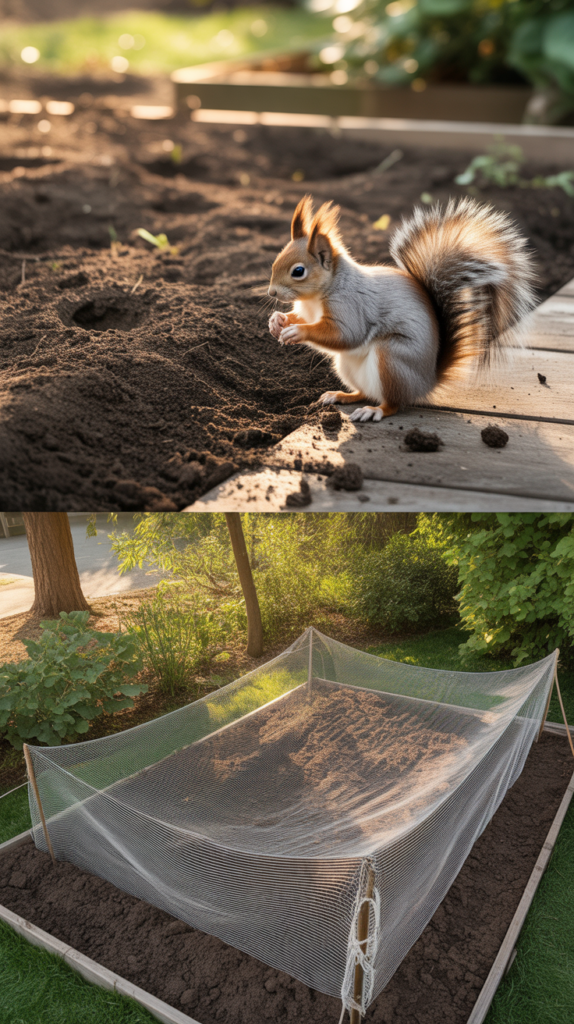
16. Squirrels (Digging Up Soil and Plants)
The problem
You plant something carefully… and the next day, it’s dug up. Squirrels are notorious for disturbing soil, especially in pots and newly planted beds.
Signs include:
- Freshly dug soil
- Missing bulbs or seedlings
- Scattered plant debris
Natural solution
Make the soil harder to dig:
- Add a layer of pebbles or mulch
- Use mesh or netting over soil
- Keep the area tidy
Why this works
Squirrels look for easy digging spots. When the surface becomes difficult, they usually move on.
Real-life example
Fresh bulbs often disappear overnight. Covering the area with mesh usually stops repeat digging.
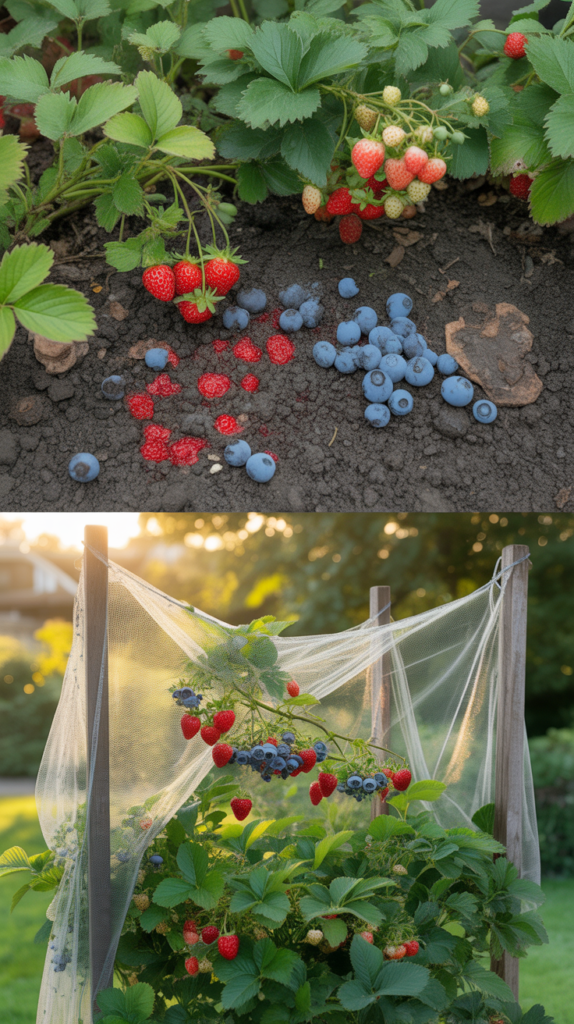
17. Birds (Eating Seeds and Fruits)
The problem
Birds are helpful in many ways, but they also love seeds, berries, and soft fruits. They may eat seeds before they sprout or peck at ripening produce.
Signs include:
- Missing seeds
- Pecked fruit
- Small holes in produce
Natural solution
Protect plants using:
- Garden netting
- Row covers
- Simple visual deterrents like reflective objects
Why this works
Physical barriers prevent access, while visual movement can discourage birds from landing.
Real-life example
Strawberries and tomatoes are common targets. A simple net often protects the entire harvest.
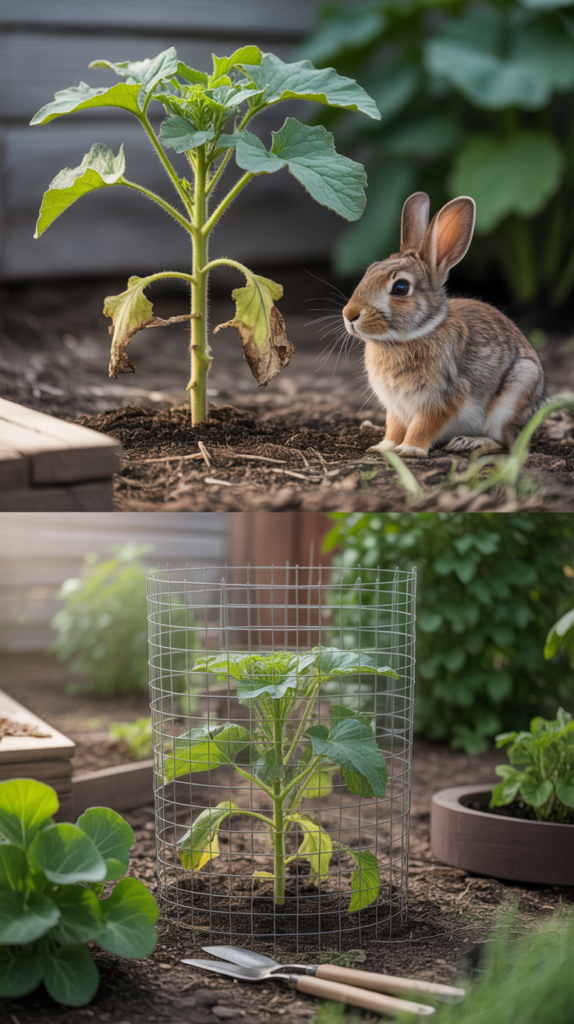
18. Rabbits (Chewing Leaves and Stems)
The problem
Rabbits can quietly damage plants by nibbling leaves and stems, often close to the ground.
Signs include:
- Clean-cut stems
- Leaves eaten from the bottom up
- Small bite marks
Natural solution
Use simple fencing or barriers around plants, especially young ones.
You can also:
- Raise containers
- Protect garden edges
- Keep surrounding areas trimmed
Why this works
Rabbits prefer easy access. Barriers make it harder for them to reach plants.
Real-life example
Leafy greens and young vegetables are especially vulnerable. Even a small barrier can make a big difference.
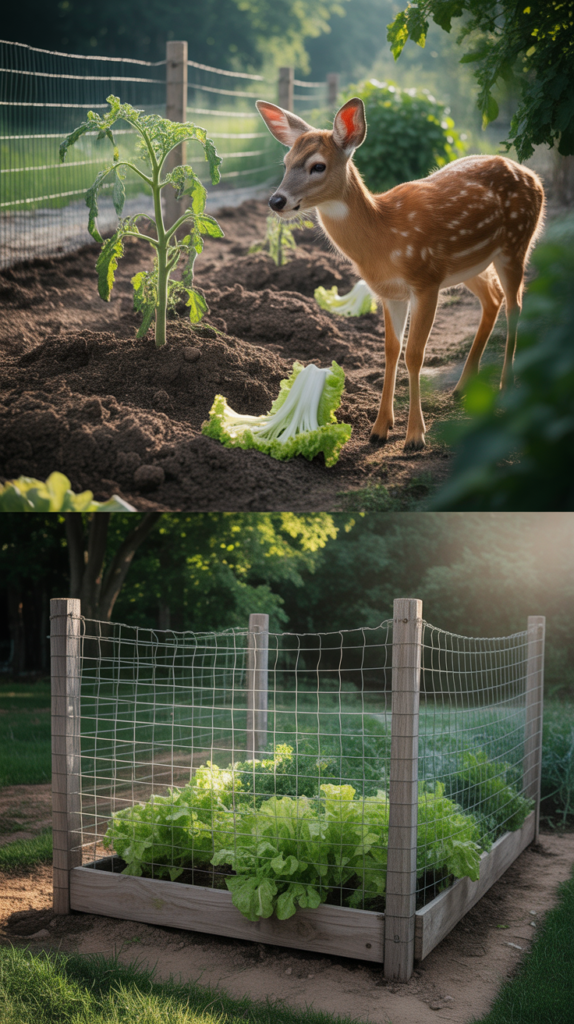
19. Deer (Heavy Plant Damage Overnight)
The problem
Deer can cause large-scale damage very quickly. Entire sections of plants may be eaten overnight.
Signs include:
- Large missing sections of plants
- Broken stems
- Damage across multiple plants
Natural solution
Use taller fencing or protective barriers. You can also choose plants that deer are less likely to eat.
Why this works
Deer are strong and persistent, but physical barriers are one of the most reliable natural deterrents.
Real-life example
A full garden can look untouched one day and heavily eaten the next after deer visit.
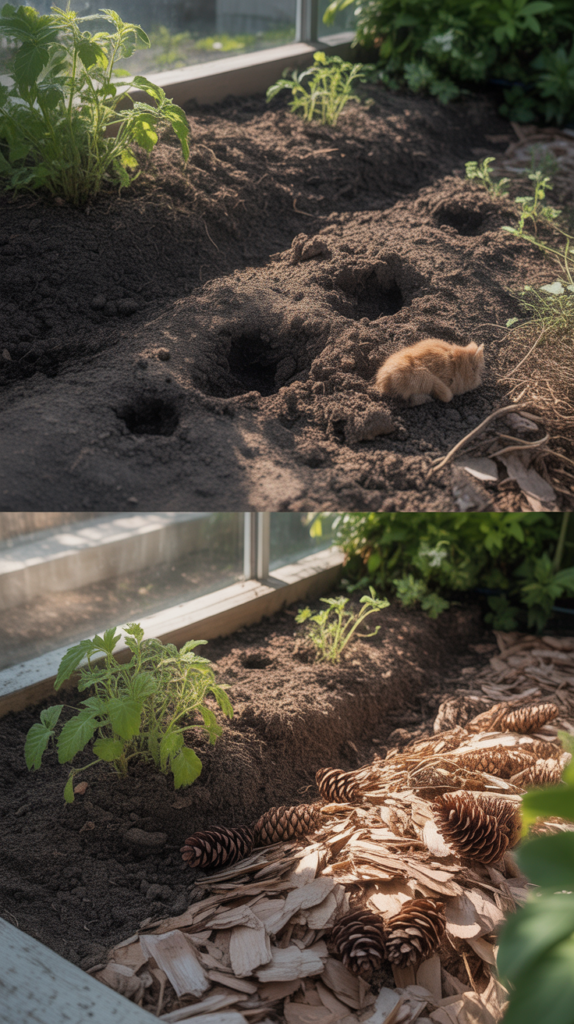
20. Cats Digging in Garden Soil
The problem
Cats often dig in soft soil, using it like a litter area. This disturbs plants and creates a mess.
Signs include:
- Dug-up soil
- Displaced plants
- Small holes in beds
Natural solution
Cover soil with:
- Mulch
- Pinecones
- Pebbles
- Mesh
Why this works
Cats prefer soft, loose soil. Making the surface uncomfortable discourages digging.
Real-life example
Container gardens and raised beds are common targets. A simple top layer of mulch or stones usually solves the issue.