
19 English Garden Ideas
An English garden is known for its timeless charm, soft romance, and slightly wild elegance. Inspired by classic countryside landscapes in England, this style blends structured elements with natural, free-flowing plants. The beauty of an English garden lies in its balance—it looks effortless, but every detail feels intentional.
If you want a garden that feels lush, peaceful, and full of character, these ideas will help you recreate that classic English look.
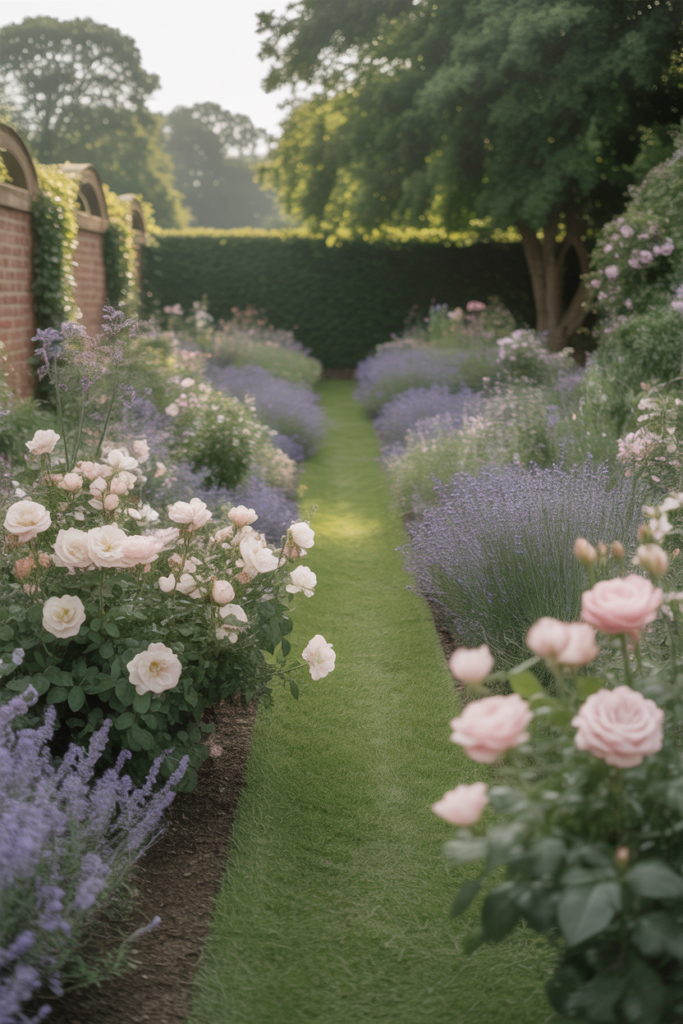
1. Layered Flower Borders with Mixed Blooms
One of the most iconic features of an English garden is deep, layered flower borders. Instead of planting in single rows, mix different flowers together—roses, foxgloves, delphiniums, and lavender. Arrange them in layers from low to tall, but keep the mix slightly informal. This creates a full, overflowing look that feels natural rather than rigid. This idea works because it adds richness, color, and texture while maintaining a soft, romantic feel.
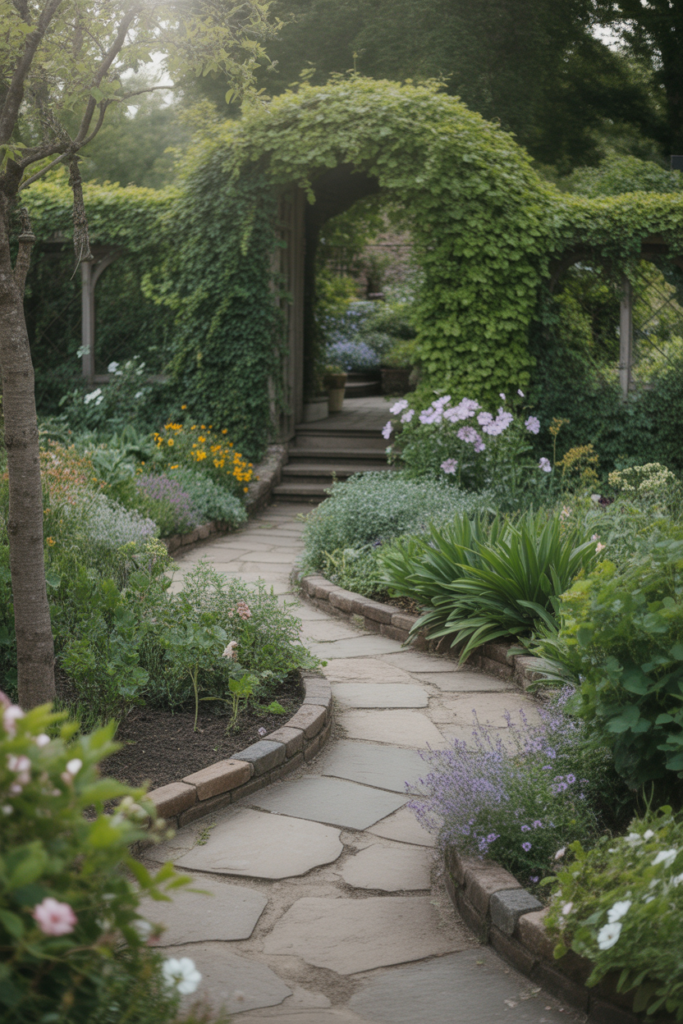
2. Stone Pathways with Curved Lines
Straight lines are rare in English gardens—curved pathways are key. Use natural stone or gravel paths that gently wind through the garden. This creates a sense of movement and discovery, making even a small garden feel larger. This idea works because it adds structure without making the space feel formal.
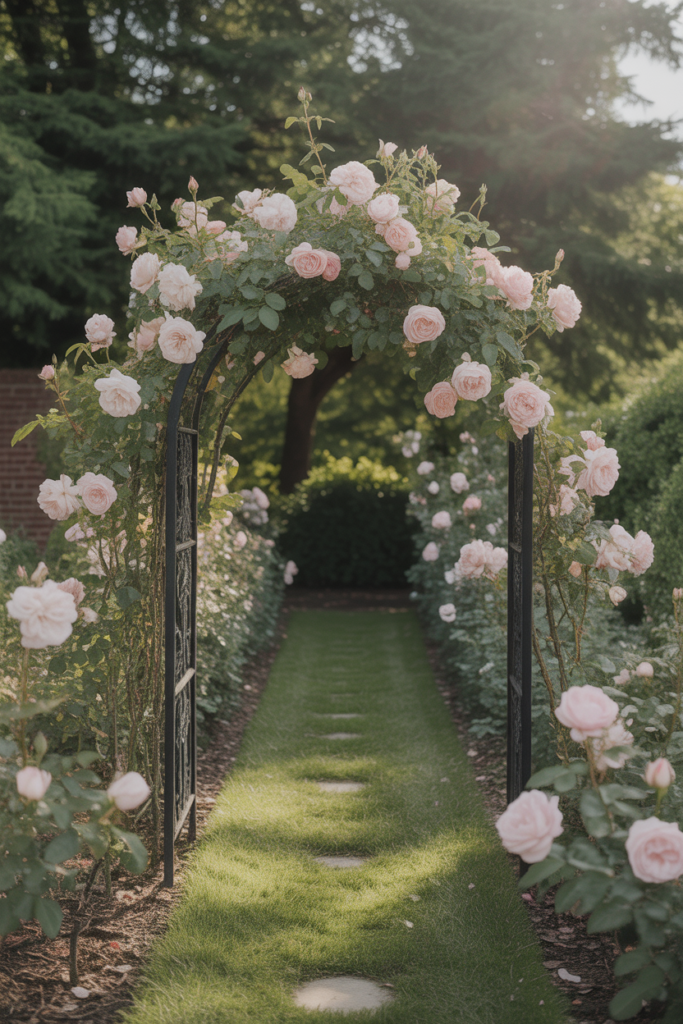
3. Climbing Roses on Arches or Walls
Climbing roses are a signature element of English gardens. Let them grow over arches, fences, or walls to create height and softness. The blooms add color while the vines bring a natural, slightly wild feel. This idea works because it adds vertical interest without taking up ground space.
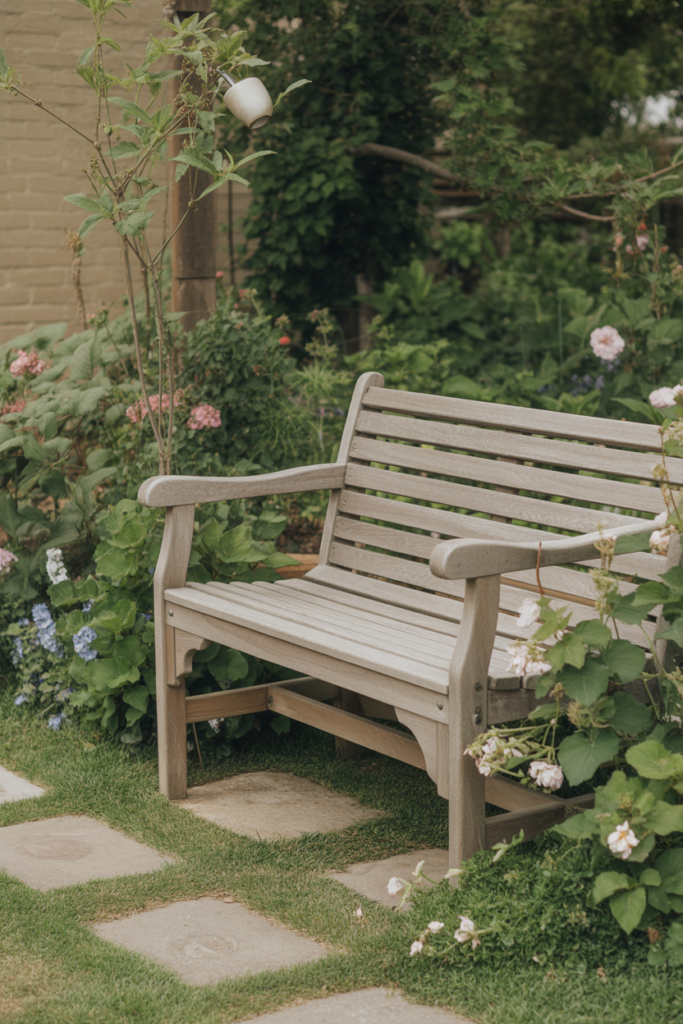
4. Rustic Wooden or Wrought Iron Seating
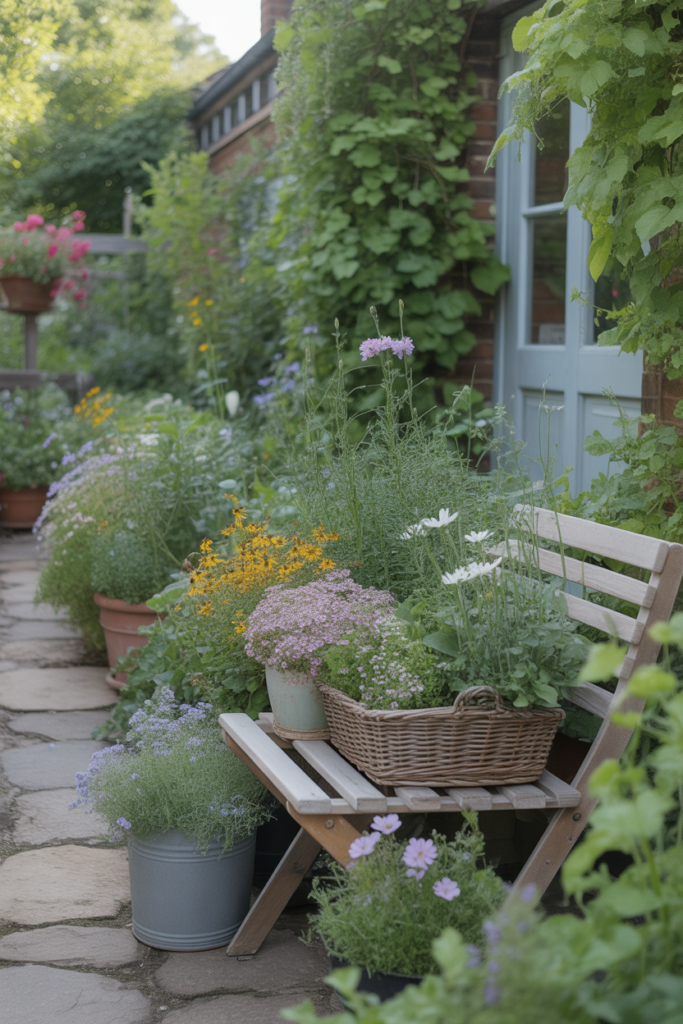
A simple bench or chair placed within the garden adds both function and charm. Choose rustic wood or wrought iron for a classic look. Place it slightly hidden among plants to create a peaceful sitting spot. This idea works because it blends into the garden rather than standing out.
5. Cottage-Style Planting for a Relaxed Look
Cottage-style planting mixes flowers, herbs, and greenery together in a slightly unstructured way. This creates a garden that feels full and natural rather than perfectly arranged. Plants like daisies, lavender, and herbs work beautifully together. This idea works because it embraces imperfection while still looking beautiful.
6. Low Boxwood Hedges for Gentle Structure
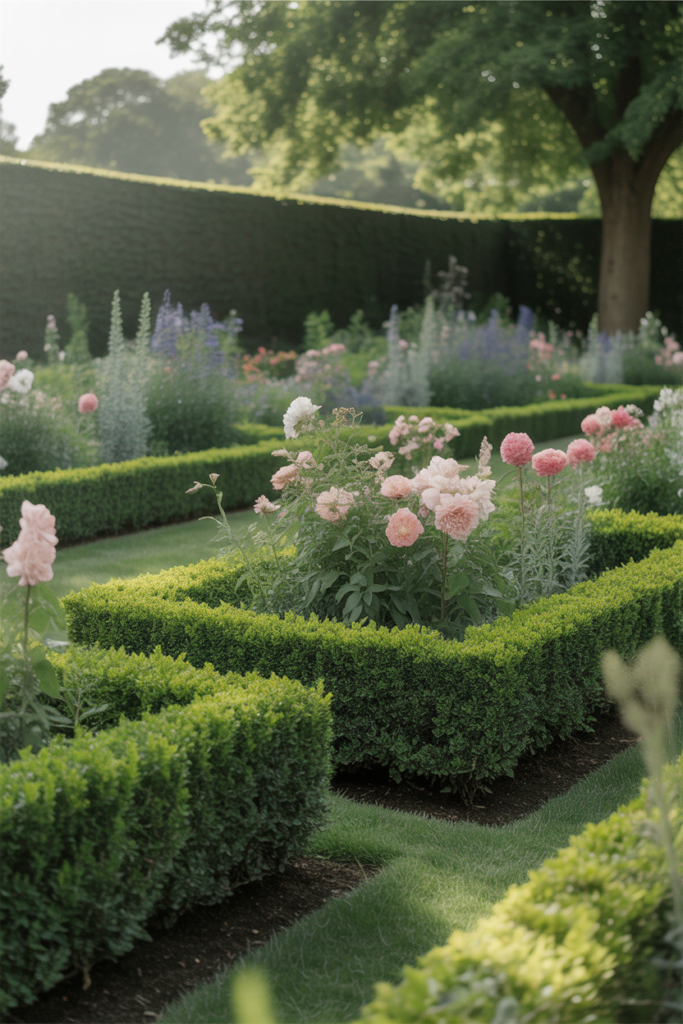
Boxwood hedges are a classic way to add structure to an English garden without making it feel too formal. Keep them low and softly trimmed to outline pathways, flower beds, or sitting areas. This idea works because it creates subtle boundaries while still allowing the garden to feel natural and flowing. The greenery also stays vibrant year-round, adding consistency to the design.
7. Garden Archways for Depth and Charm
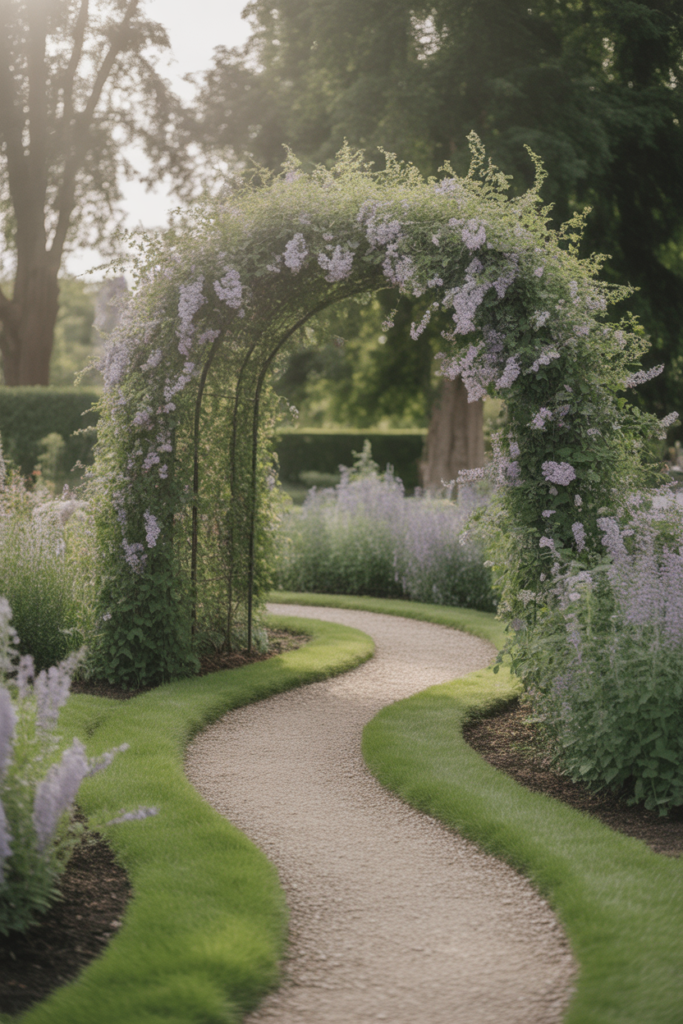
A simple garden arch—covered with climbing plants—adds instant character and depth. Place it along a pathway or at the entrance of a garden section. This idea works because it creates a visual “moment” and makes the space feel layered and romantic. Over time, as plants grow over it, the arch becomes even more beautiful.
8. Small Garden Pond for a Peaceful Touch
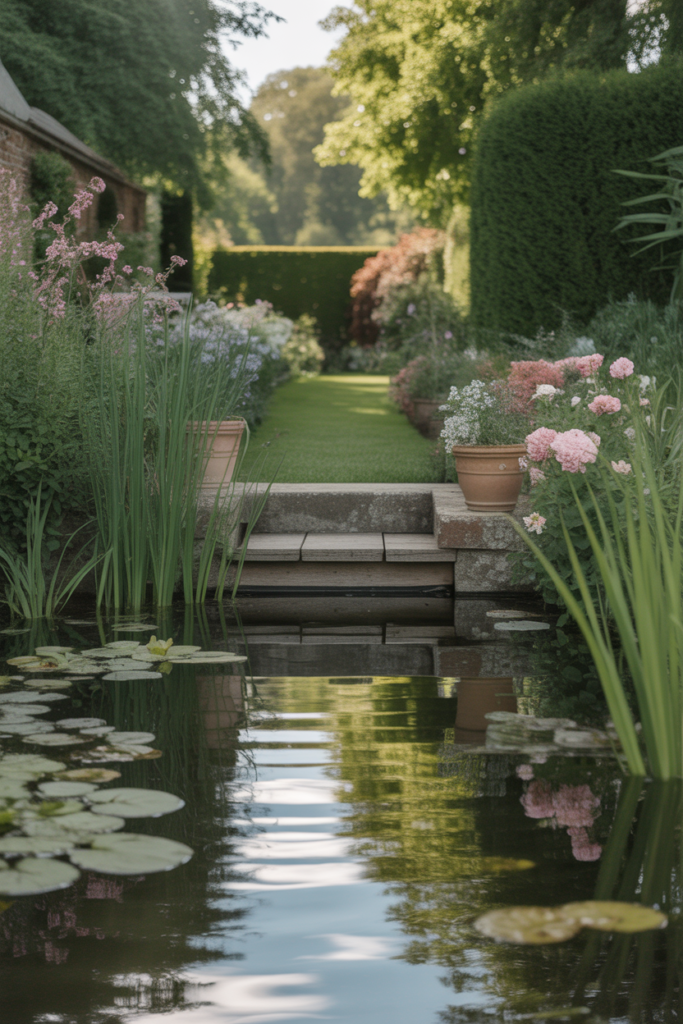
A small pond brings calmness and natural beauty to an English garden. Even a simple water feature with a few plants around it can create a peaceful focal point. This idea works because it adds movement, reflection, and a sense of tranquility without needing a large space.
9. Gravel Seating Area with Classic Furniture
Create a simple sitting area using gravel as the base and adding classic garden furniture like a wooden table or wrought iron chairs. This idea works because it feels natural and low-maintenance while still providing a functional space. The texture of gravel adds charm and complements the surrounding plants.
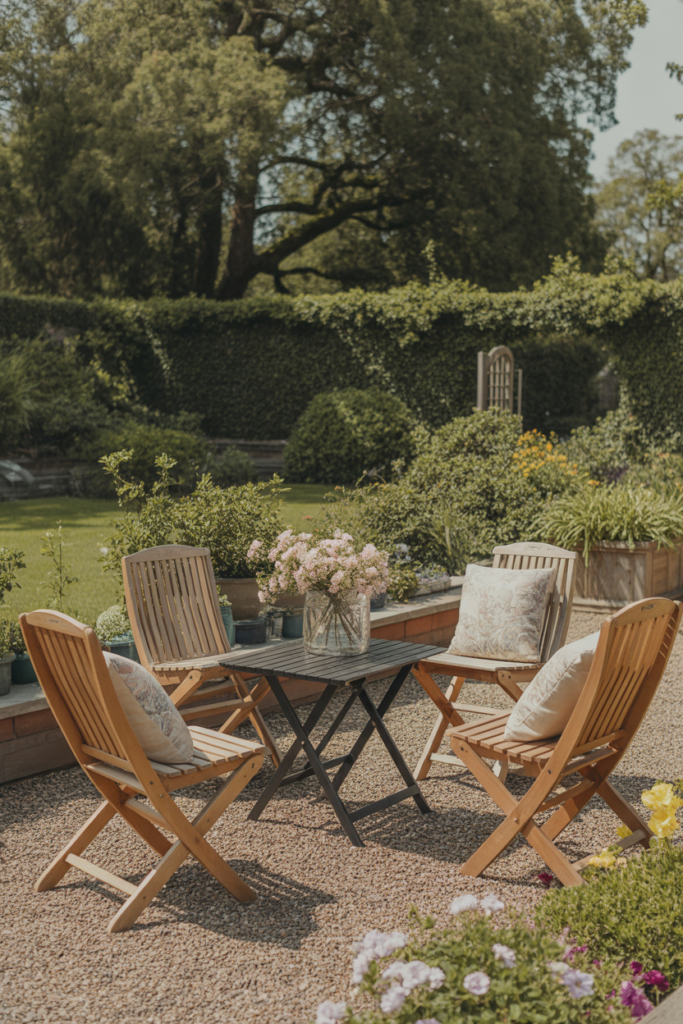
10. Soft Color Palette with Pastel Blooms
English gardens often use soft, pastel colors rather than bold contrasts. Think pinks, purples, whites, and light blues. This creates a calming and romantic atmosphere. This idea works because it keeps the garden visually balanced and soothing rather than overwhelming.
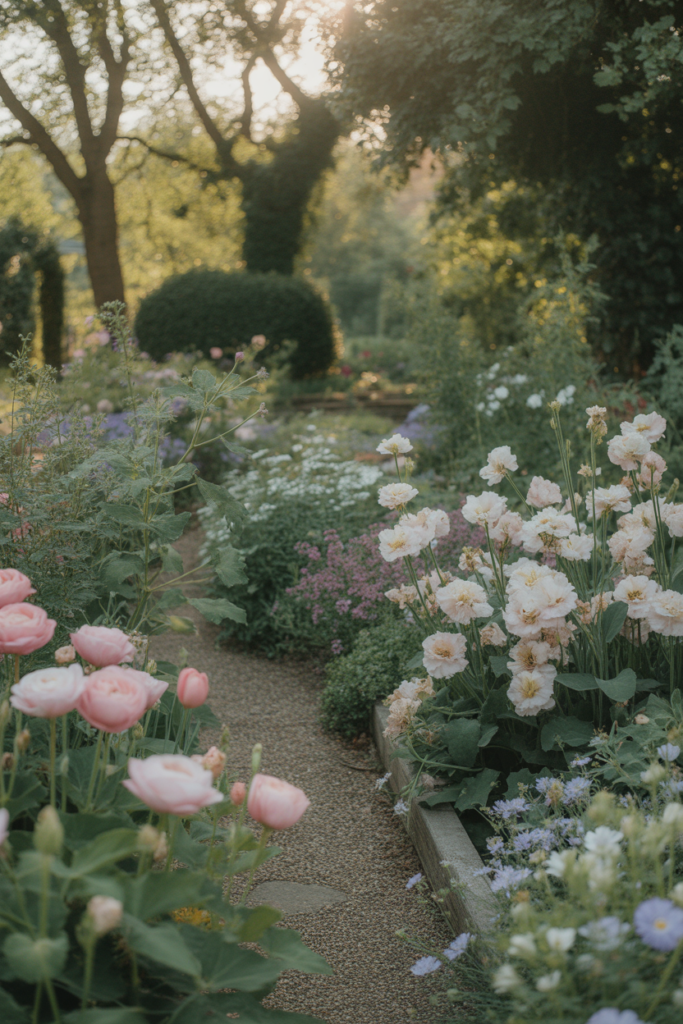
11. Winding Garden Paths with Hidden Views
Instead of revealing the whole garden at once, create winding paths that lead to partially hidden areas. Use plants, hedges, or arches to block direct sightlines so each turn reveals something new. This idea works because it creates curiosity and makes even a small garden feel larger and more immersive. It reflects the classic English landscape style where discovery is part of the experience.
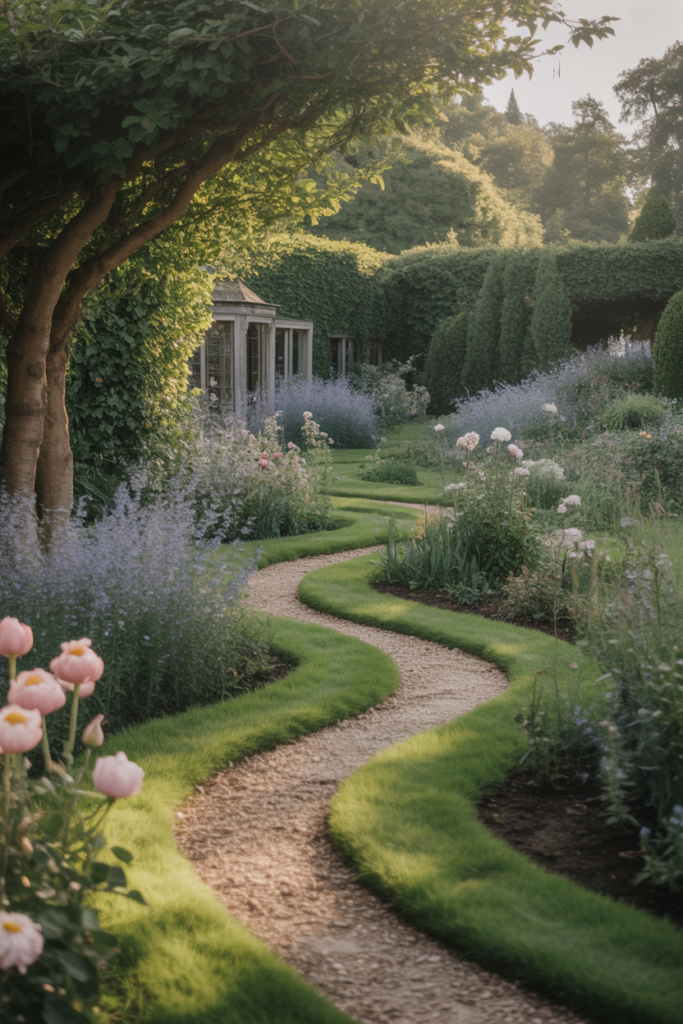
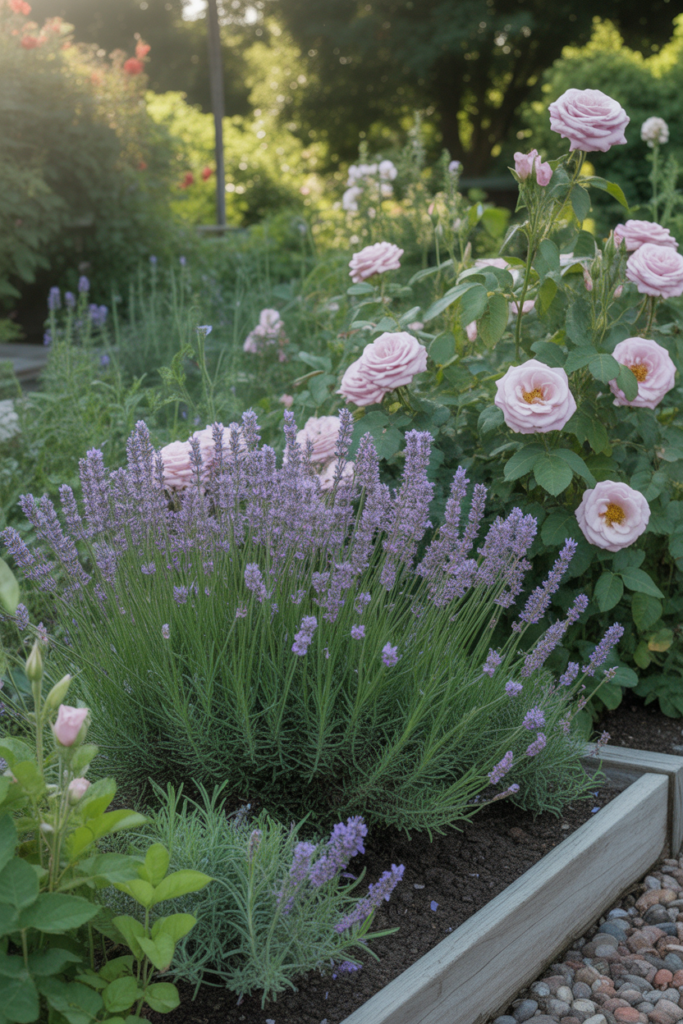
12. Mixed Herb and Flower Borders
In traditional English gardens, herbs are often planted alongside flowers rather than separately. Lavender, rosemary, and thyme blend beautifully with roses and other blooms. This idea works because it adds both fragrance and functionality while maintaining a soft, natural look. It also attracts pollinators, making the garden more lively.
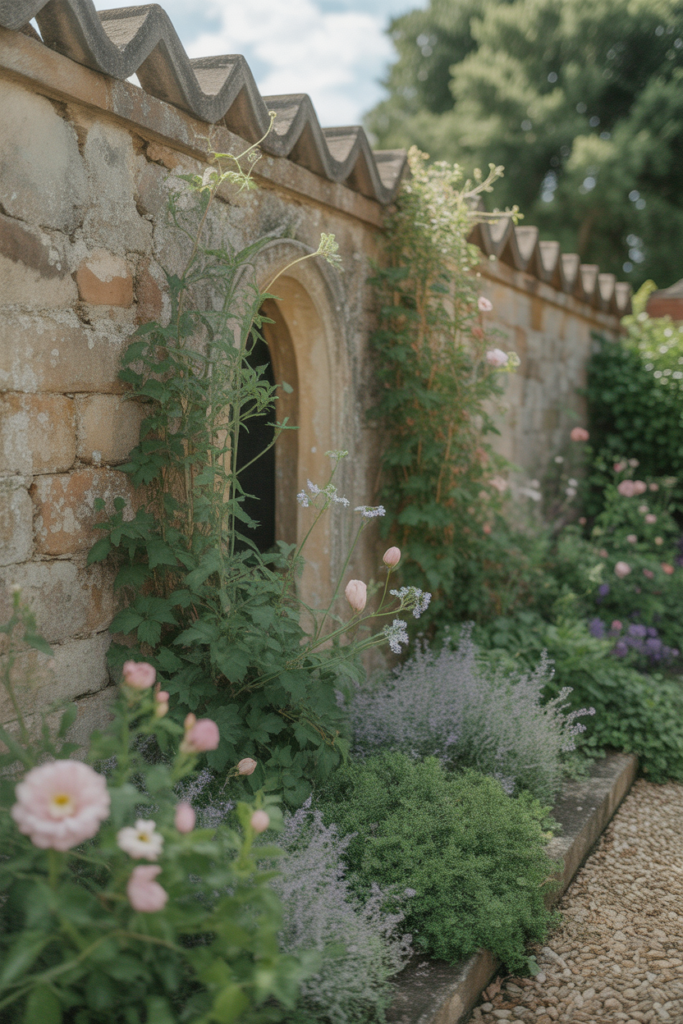
13. Weathered Stone Walls for Character
A slightly aged or weathered stone wall adds depth and history to an English garden. Even if newly built, choosing rough textures and natural tones can create this effect. This idea works because it gives the garden a timeless, established feel, as if it has grown naturally over time.
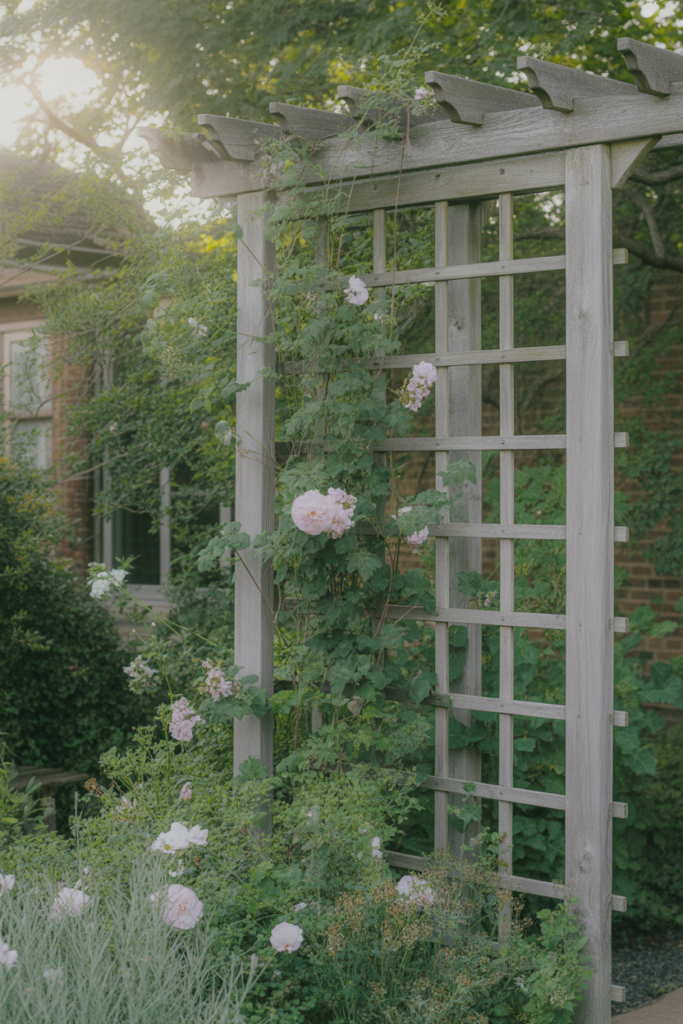
14. Garden Trellis for Vertical Interest
A trellis covered with climbing plants like roses or clematis adds height and elegance. It can be placed against walls or used as a divider between sections. This idea works because it maximizes vertical space while keeping the garden soft and natural.
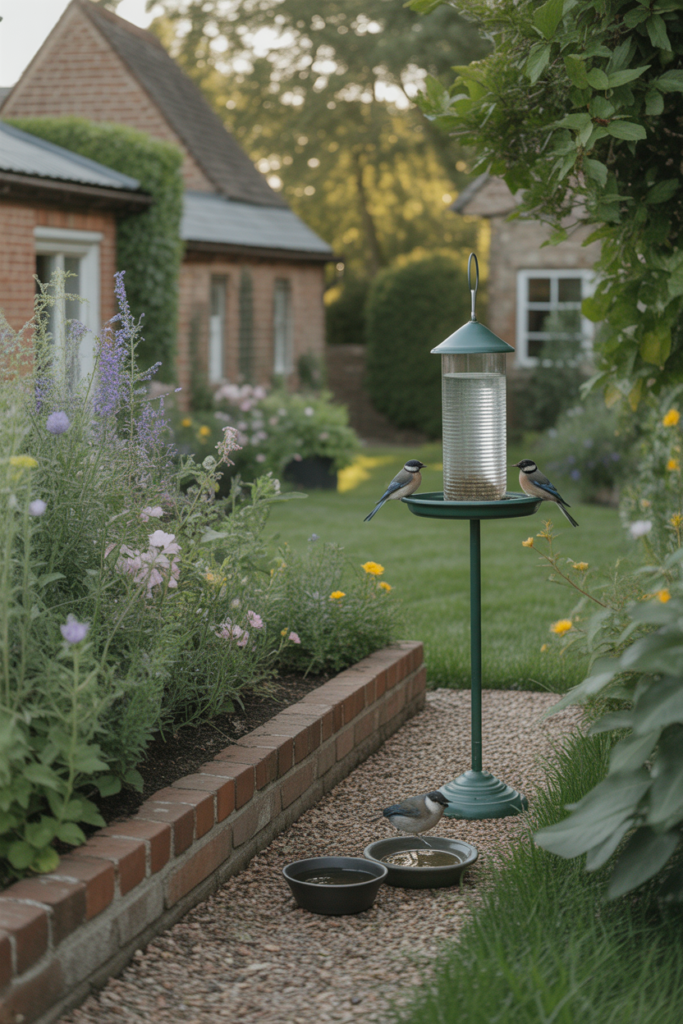
15. Bird-Friendly Garden Features
Adding bird feeders, small water dishes, or nesting spots brings life to the garden. Birds add movement and sound, making the space feel more alive. This idea works because it enhances the natural ecosystem while also adding charm and activity.
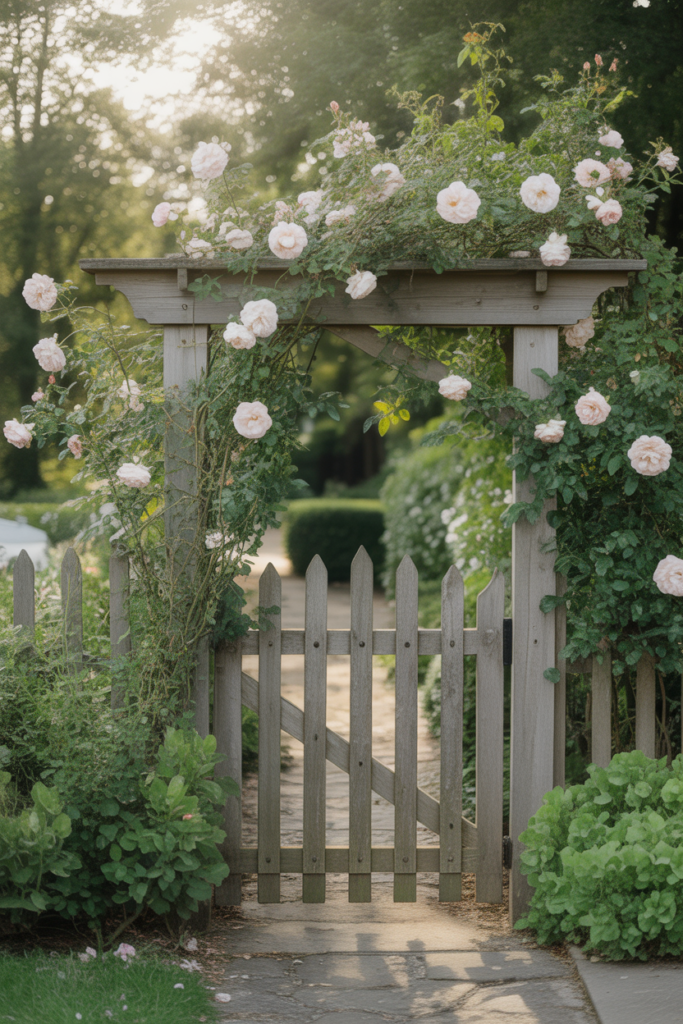
16. Garden Gate Entrance for Classic Charm
A simple wooden or wrought iron garden gate creates a beautiful entrance and sets the tone for the entire space. It doesn’t need to be grand—even a small gate covered with climbing plants can feel magical. This idea works because it creates a sense of arrival and makes the garden feel like a separate, special place rather than just an open yard.
17. Layered Seasonal Blooms for Year-Round Interest
An English garden never looks empty because different plants bloom in different seasons. Combine spring bulbs, summer flowers, and autumn foliage so something is always growing. This idea works because it keeps the garden alive and changing throughout the year, making it feel dynamic and full of life.
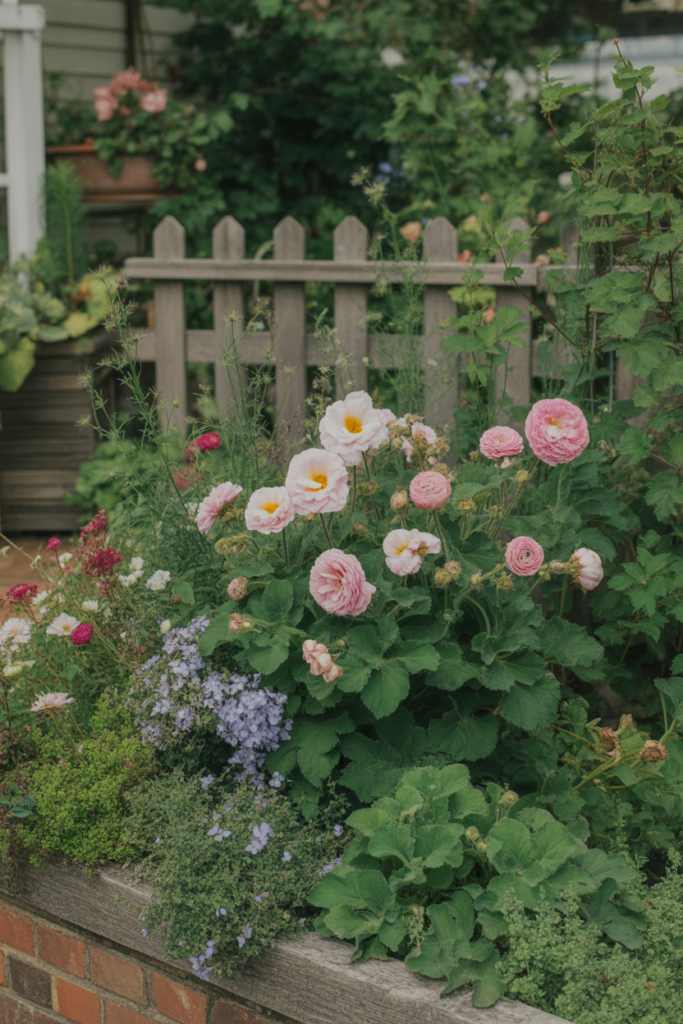
18. Cozy Hidden Seating Nook
Tuck a small seating area behind plants or hedges to create a private retreat. A simple bench or chair surrounded by greenery feels peaceful and intimate. This idea works especially well because it combines functionality with the natural layering of an English garden, making the space feel personal and quiet.
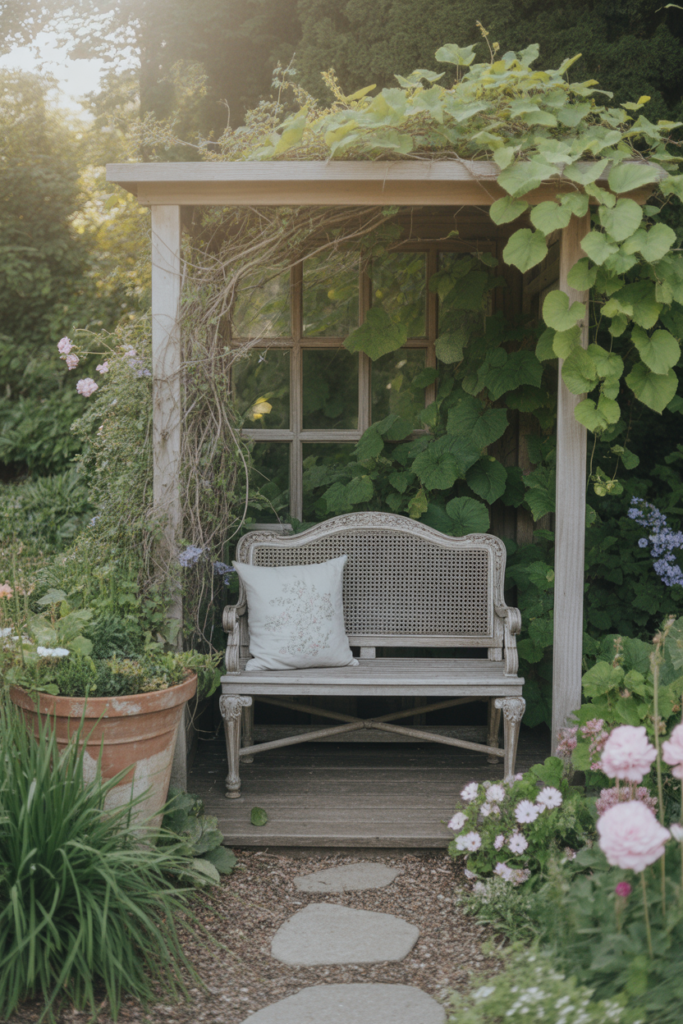
19. Natural Lawn with Soft Edges
Instead of sharp, defined lawn edges, allow the grass to blend gently into flower beds and borders. This creates a softer and more natural transition between elements. This idea works because it removes harsh lines and keeps the garden looking relaxed and organic.
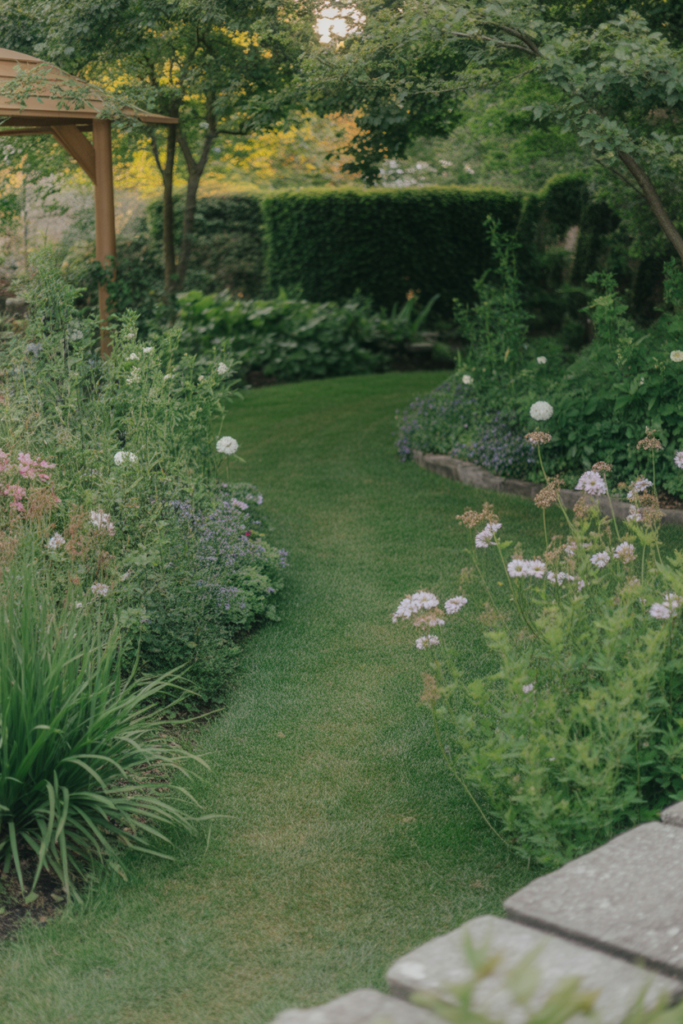
🌿 Conclusion
An English garden is all about romance, softness, and natural beauty. It blends structure with freedom, creating a space that feels both designed and effortlessly grown.
To create your own English garden:
- mix flowers, herbs, and greenery instead of separating them
- use curved paths and soft edges instead of straight lines
- add classic features like benches, arches, and stone elements
- embrace seasonal change and natural growth
Whether your space is large or small, these ideas help you create a garden that feels timeless, peaceful, and full of life—just like the countryside landscapes of England 🌿