
25 Common Gardening Mistakes and How to Fix Them
You followed the instructions. You watered regularly. You picked the “right” plants. And yet… something still went wrong.
Maybe your leaves turned yellow. Maybe your plants stopped growing. Or maybe they just didn’t thrive the way you expected. If that sounds familiar, here’s the truth: it’s not that you’re bad at gardening—it’s that small, common gardening mistakes can quietly sabotage your efforts without you even realizing it.
The good news? These mistakes are incredibly normal, especially for beginners. Even experienced gardeners still make them from time to time. The real difference is knowing how to spot them early—and more importantly, how to fix them fast.
In this guide, we’re breaking down the most common gardening mistakes in a simple, practical way. No complicated jargon. No overwhelming advice. Just real fixes that actually work in everyday gardens.
Let’s start with the first five—and honestly, these alone fix a huge percentage of plant problems.
1. Overwatering Your Plants
The mistake
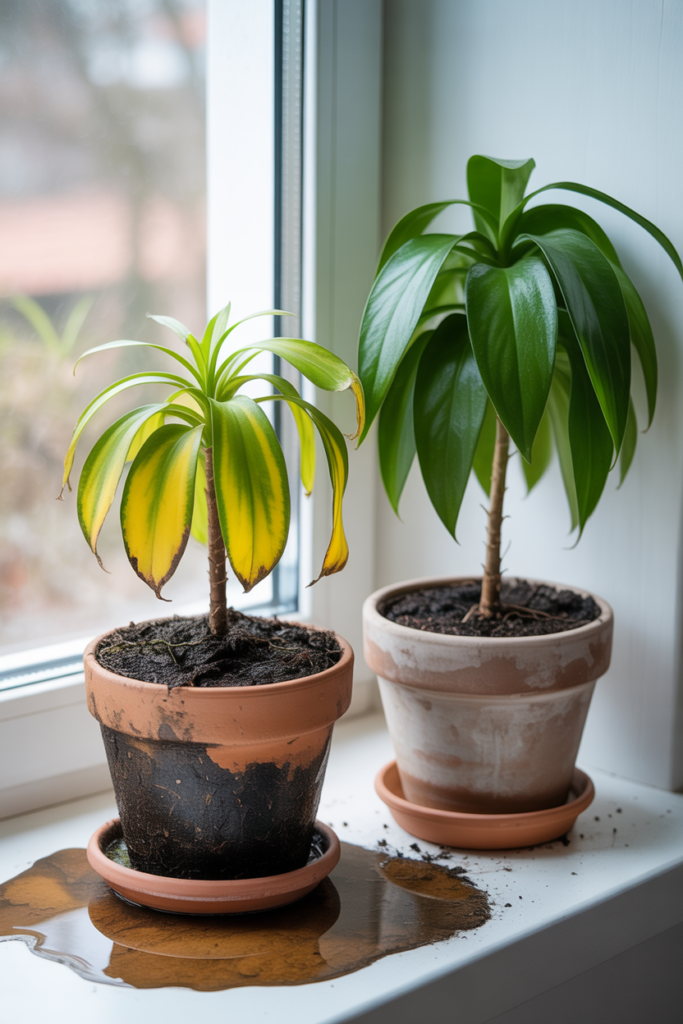
Overwatering is easily one of the most common gardening mistakes. It often comes from good intentions—you want your plants to thrive, so you give them plenty of water. But instead of helping, too much water suffocates the roots.
When soil stays constantly wet, roots cannot breathe. This leads to yellow leaves, drooping plants, and eventually root rot.
The fix
Before watering, check the soil first. Stick your finger about 2–3 inches into the soil:
- If it feels dry → water
- If it still feels moist → wait
Also, make sure your pots or garden beds drain properly.
Why this works
Plants need a balance of water and oxygen in the soil. Letting the soil dry slightly between watering allows roots to function properly and stay healthy.
Real-life example
A common scenario: someone waters their indoor plants every single day, thinking consistency is good. The leaves start turning yellow, and they assume the plant needs more care—when actually, it needs less water.
2. Underwatering Without Realizing
The mistake
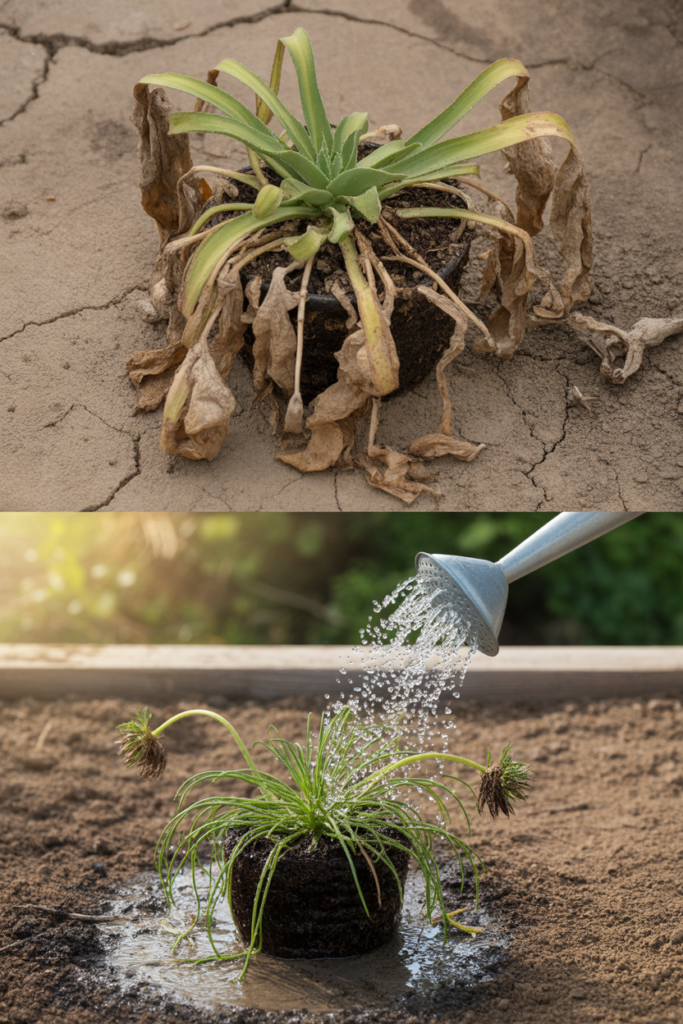
While overwatering gets a lot of attention, underwatering is just as common—and sometimes harder to notice. Plants that don’t get enough water may look dull, dry, and lifeless.
The tricky part? Some gardeners water lightly and frequently, which doesn’t actually reach the deeper roots.
The fix
Water deeply, not just on the surface. Make sure water reaches the root zone by soaking the soil thoroughly, then allow it to dry slightly before watering again.
Why this works
Deep watering encourages roots to grow downward, making plants stronger and more drought-resistant. Shallow watering keeps roots weak and close to the surface.
Real-life example
This often happens with outdoor pots in summer. The top looks wet, but just below the surface, the soil is completely dry. Plants slowly weaken even though they appear to be “regularly watered.”
3. Using the Wrong Soil Type
The mistake
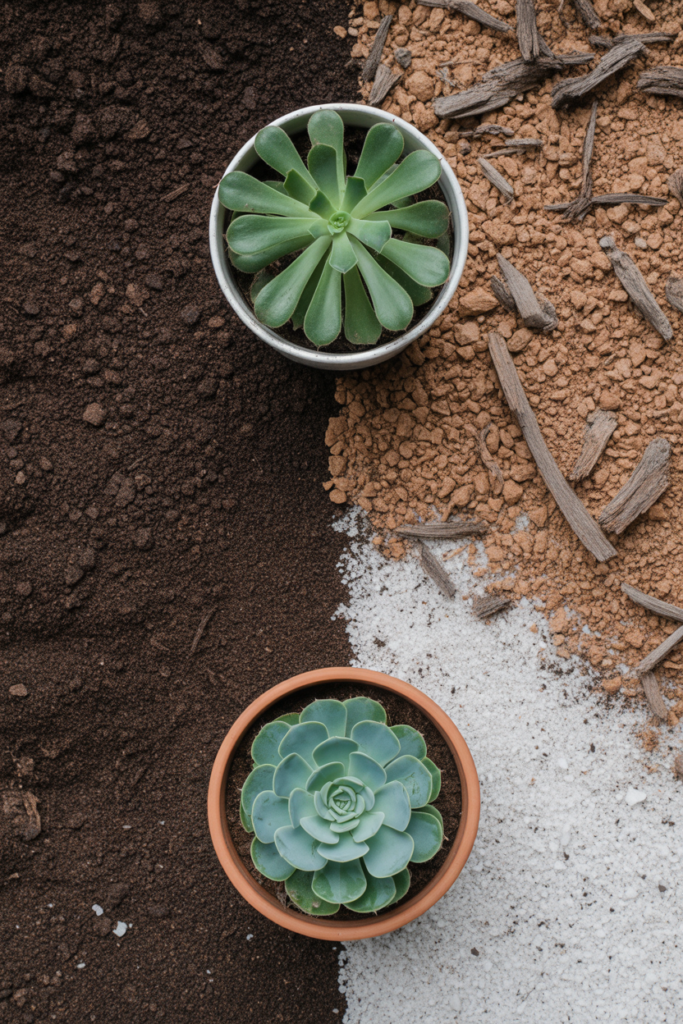
Not all soil is the same, but many beginners treat it that way. Using the wrong type of soil can lead to poor drainage, nutrient problems, and struggling plants.
For example:
- Succulents in dense, water-retaining soil → root rot
- Vegetables in poor, sandy soil → weak growth
The fix
Match your soil to your plant:
- Succulents → well-draining, gritty soil
- Vegetables → rich, compost-filled soil
- Indoor plants → balanced potting mix
Why this works
Different plants have different root needs. Some prefer fast drainage, while others need moisture retention. The right soil supports healthy root systems.
Real-life example
A very common mistake is planting succulents in regular potting soil. They often start rotting within weeks because the soil holds too much water.
4. Not Adding Mulch
The mistake
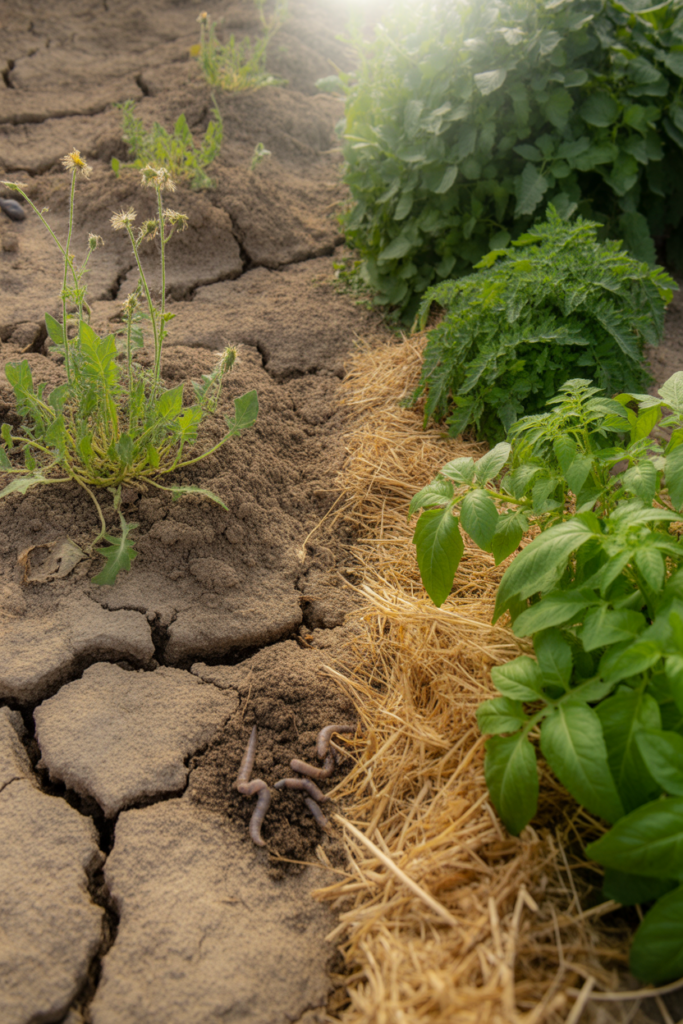
Many gardeners skip mulch, especially in small gardens or containers. But without mulch, soil dries out faster, weeds grow more easily, and temperature swings stress your plants.
The fix
Add a layer of mulch on top of your soil. This can include:
- Straw
- Bark chips
- Shredded leaves
- Compost
Even a thin layer makes a noticeable difference.
Why this works
Mulch acts as a protective barrier. It locks in moisture, keeps roots cooler, and suppresses weed growth.
Real-life example
A garden bed without mulch may need watering daily in hot weather, while a mulched bed stays moist much longer and requires less maintenance.
5. Ignoring Soil Health
The mistake
Soil is often treated like a one-time setup, but over time it loses nutrients and structure. Plants may start growing slower, producing less, or looking weak—even if everything else seems right.
The fix
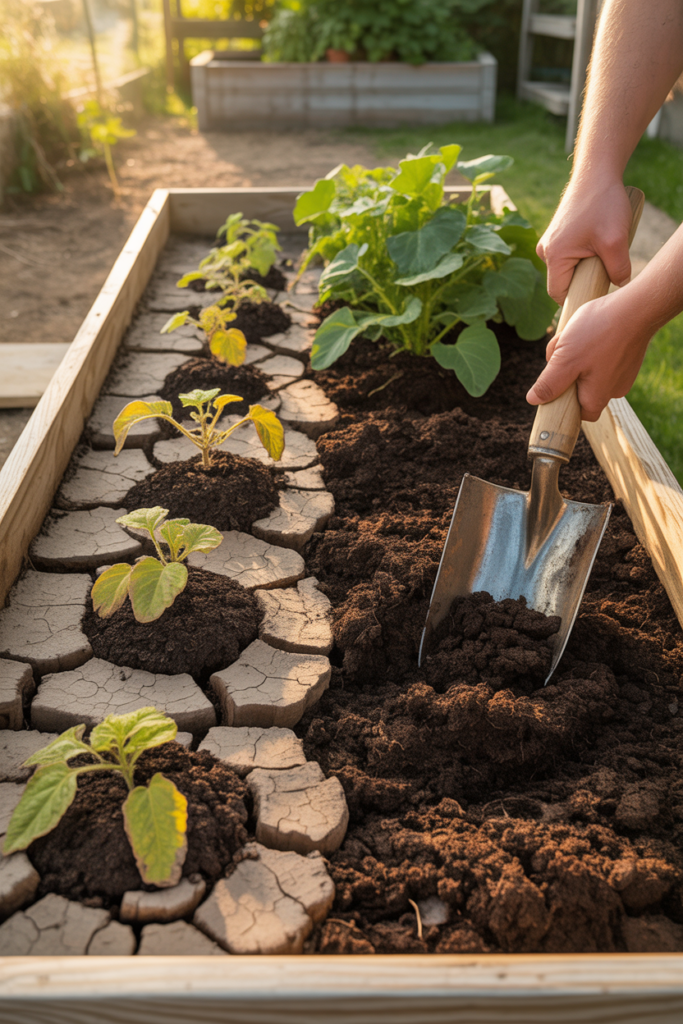
Feed your soil regularly by adding compost or organic matter. This can be done by:
- Mixing compost into beds
- Top-dressing soil each season
- Using natural amendments
Why this works
Healthy soil supports beneficial microbes, improves structure, and provides a steady supply of nutrients. Strong soil leads to strong plants.
Real-life example
Raised beds often perform well in the first year but decline in later seasons if soil isn’t refreshed. A simple compost layer can bring them back to life.
6. Planting in the Wrong Sunlight
The mistake
One of the most overlooked gardening mistakes is placing plants in the wrong light conditions. Some plants need full sun, while others prefer shade—but beginners often plant based on looks rather than light requirements.
The result? Slow growth, weak stems, or no flowers and fruit at all.
The fix
Observe your space and match plants to the light available:
- Full sun → 6–8+ hours of direct sunlight
- Partial sun → 3–6 hours
- Shade → indirect or filtered light
Choose plants accordingly instead of trying to force them into unsuitable spots.
Why this works
Plants rely on sunlight for energy. When they don’t get enough (or get too much), they struggle to grow properly.
Real-life example
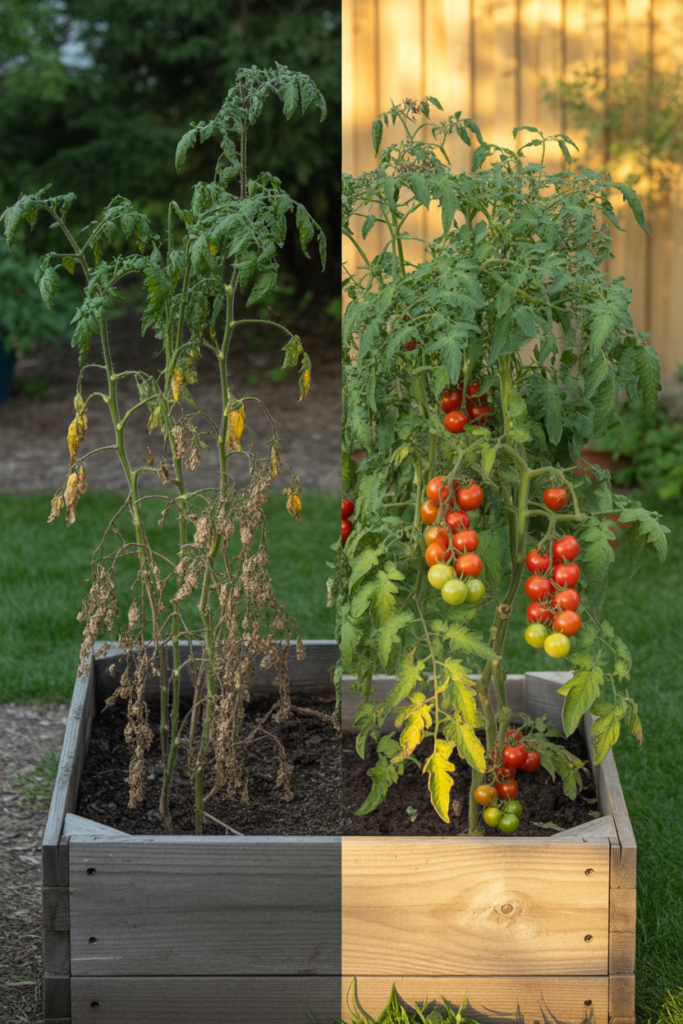
Tomatoes planted in a shady corner may grow leaves but produce little to no fruit. Move them into full sun, and productivity improves dramatically.
7. Crowding Plants Too Close
The mistake
It’s tempting to plant everything close together, especially when your garden space is limited. But overcrowding is a major mistake that leads to poor airflow, competition for nutrients, and increased risk of disease.
Plants may look fine at first—but as they grow, they begin to struggle.
The fix
Follow spacing recommendations on seed packets or plant labels. Give each plant enough room to grow to its full size.
Why this works
Proper spacing allows air to circulate, reduces disease risk, and ensures each plant gets enough light, water, and nutrients.
Real-life example
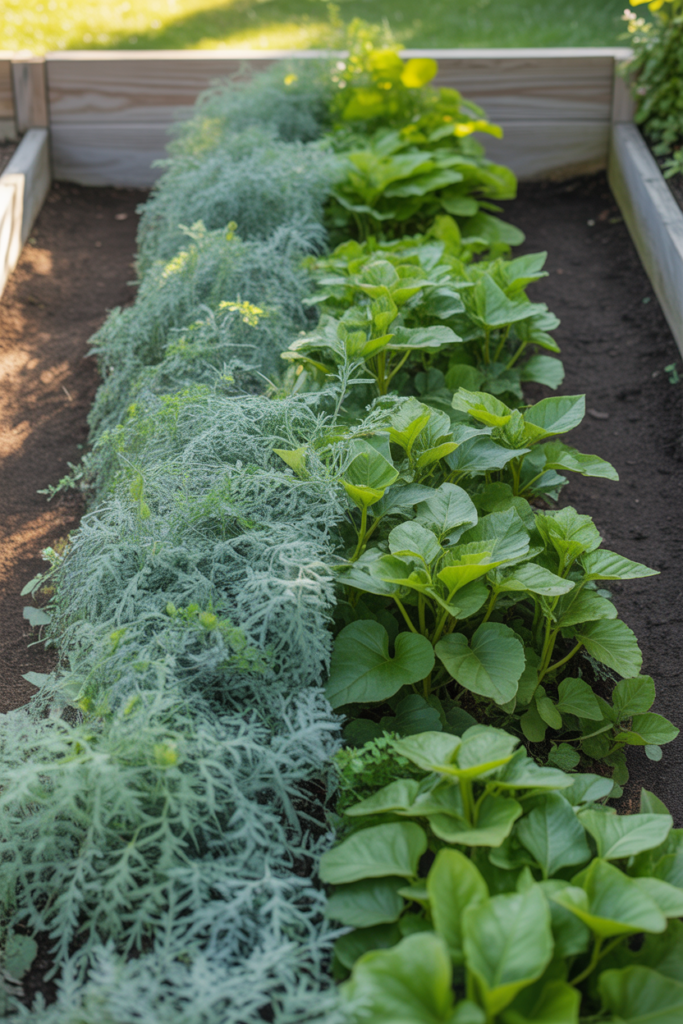
A crowded herb bed may start lush but quickly becomes tangled and weak. Leaves may yellow, and growth slows due to lack of space and airflow.
8. Not Rotating Plants Each Season
The mistake
Planting the same crops in the same spot year after year may seem convenient, but it can lead to repeated pest problems and depleted soil.
This is one of those gardening mistakes that builds up slowly over time.
The fix
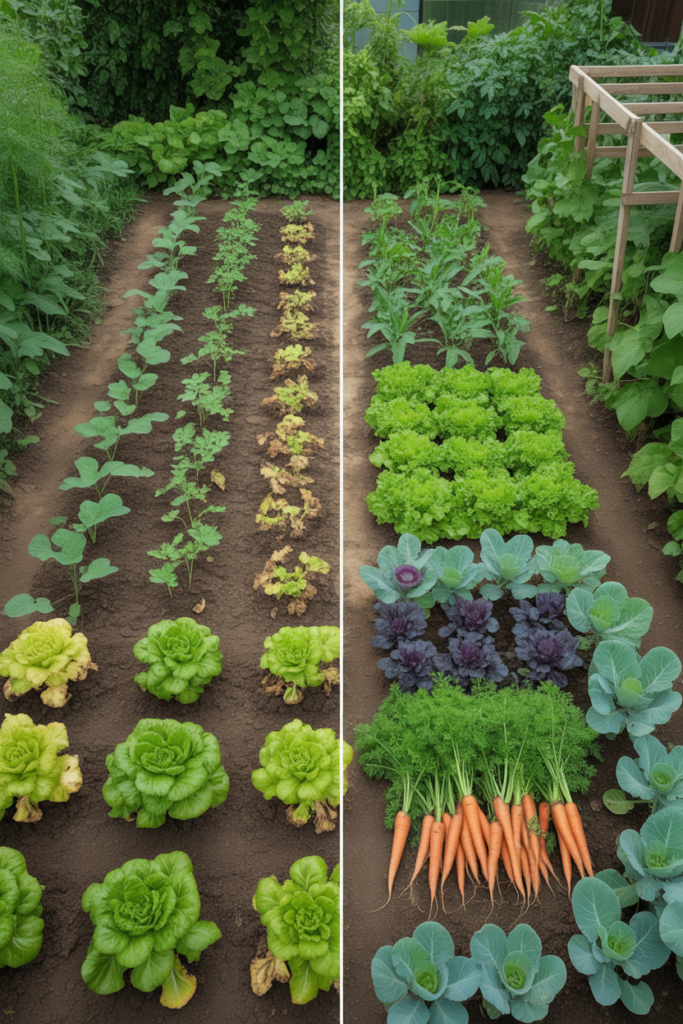
Rotate your crops each season. Change where you plant vegetables so that the same family of plants does not grow in the same spot consecutively.
Why this works
Crop rotation breaks pest cycles and helps maintain soil balance. It prevents the buildup of specific diseases and nutrient depletion.
Real-life example
If tomatoes are planted in the same bed every year, pests that target them return more aggressively. Rotating them to a new area reduces the issue significantly.
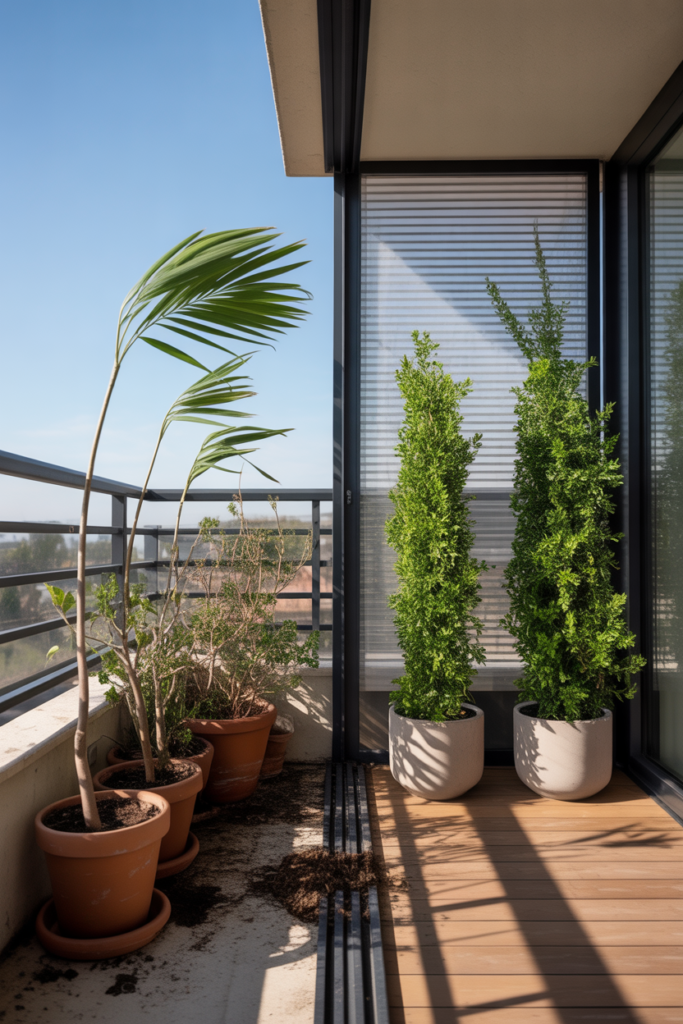
9. Ignoring Wind Exposure
The mistake
Many gardeners focus on sunlight and watering but forget about wind. Strong or constant wind can damage plants, dry out soil faster, and stress delicate stems.
This is especially common in balconies, rooftops, or open yards.
The fix
Protect plants by:
- Using wind barriers (fences, screens, or taller plants)
- Staking vulnerable plants
- Grouping containers together
Why this works
Reducing wind exposure helps plants retain moisture and prevents physical damage. It creates a more stable growing environment.
Real-life example
Balcony plants often struggle not because of poor care—but because they are exposed to constant wind. Adding a simple barrier can dramatically improve plant health.
10. Planting at the Wrong Time
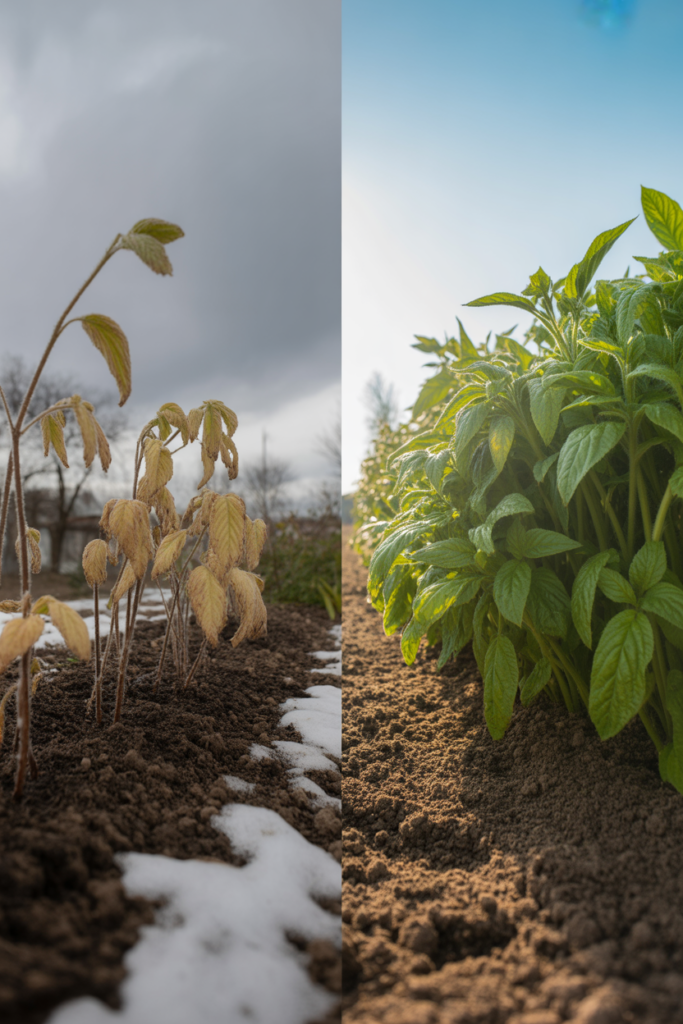
The mistake
Timing is everything in gardening. Planting too early can expose plants to cold stress, while planting too late can limit growth or reduce harvest.
Many beginners plant based on excitement rather than seasonal timing.
The fix
Follow planting calendars based on your local climate. Pay attention to frost dates and seasonal conditions before planting.
Why this works
Plants grow best within specific temperature ranges. Planting at the right time gives them the best chance to establish and thrive.
Real-life example
Planting warm-season crops like tomatoes too early often leads to stunted growth. Waiting just a couple of weeks can make a huge difference.
11. Over-Fertilizing Your Plants
The mistake
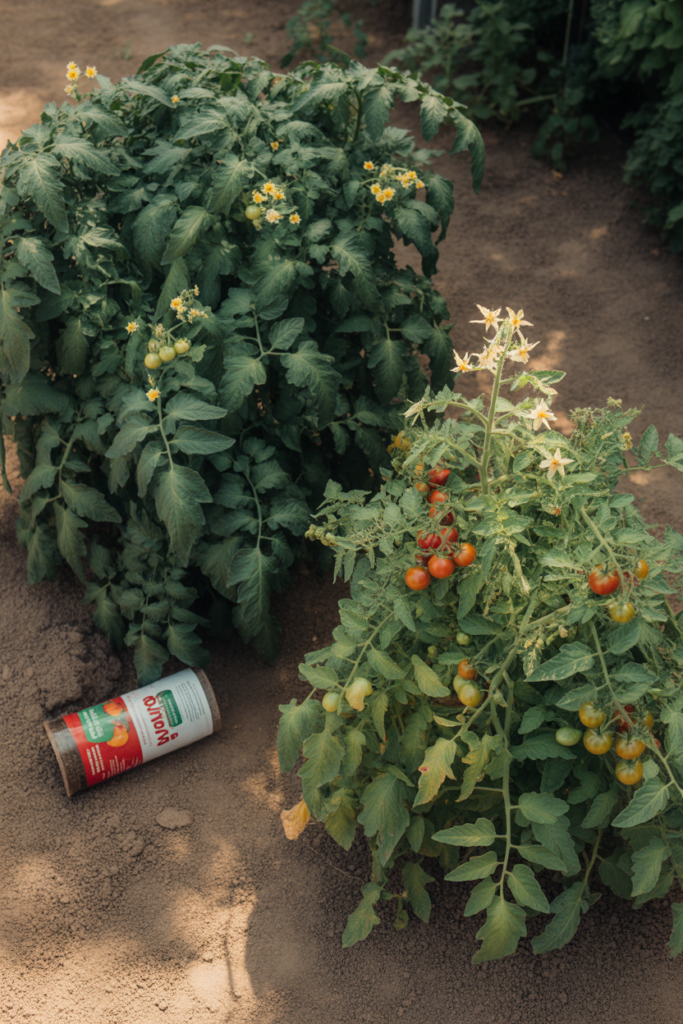
It’s easy to assume that if a little fertilizer helps, more must help even more. That’s one of the most common gardening mistakes. In reality, over-fertilizing can do more harm than good.
Too much fertilizer can burn roots, cause weak leafy growth, and reduce flowers or fruit. Plants may look lush at first, but they often become softer, more fragile, and less productive over time.
The fix
Use less fertilizer than you think you need, and follow package directions carefully. Start with a diluted amount if you are unsure. For many plants, steady soil health matters more than frequent feeding.
Why this works
Plants need balance. Too many nutrients—especially nitrogen—can push fast leaf growth at the expense of roots, blooms, or fruit. A moderate approach keeps growth more stable and healthy.
Real-life example
This shows up a lot with tomatoes and peppers. A gardener feeds them heavily, gets lots of leaves, and then wonders why there are barely any flowers or fruit.
12. Not Pruning Properly
The mistake
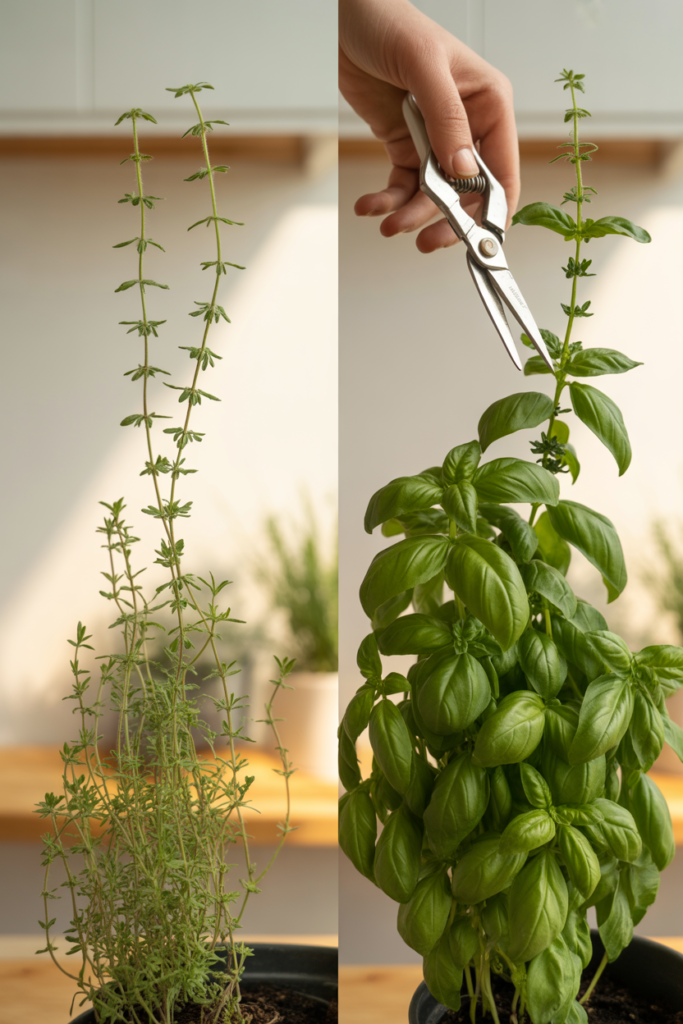
Some gardeners prune too much, some never prune at all, and many are not sure where to cut. Poor pruning is one of those common gardening mistakes that quietly affects plant shape, airflow, and productivity.
When plants are never trimmed, they can become leggy, tangled, or woody. On the other hand, harsh random cutting can stress the plant and reduce healthy growth.
The fix
Prune with a purpose. Remove dead or damaged growth first, then trim to improve shape, airflow, and new growth. Cut just above a healthy leaf node or branching point.
Why this works
Strategic pruning helps the plant direct energy where it matters most. It also improves airflow, which lowers the risk of disease and keeps growth more manageable.
Real-life example
Herbs like basil, mint, and oregano often get tall and sparse if they are not pinched regularly. A few smart cuts can turn them back into compact, bushy plants.
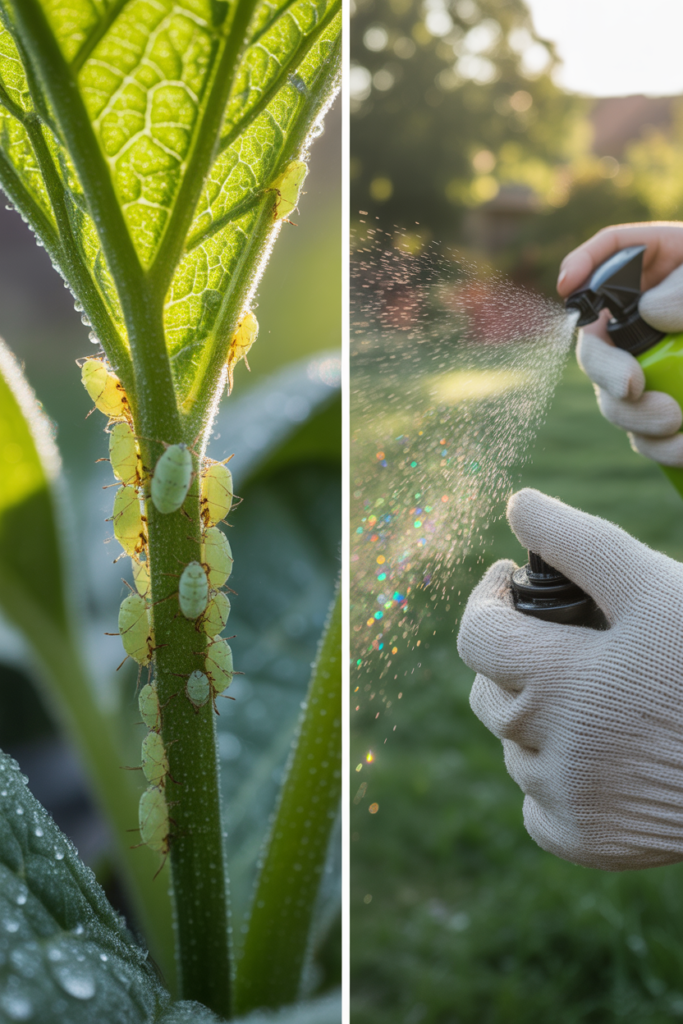
13. Ignoring Pests Until It’s Too Late
The mistake
Tiny pest problems can turn into big infestations surprisingly fast. One of the most damaging gardening mistakes is ignoring the first signs because they seem minor.
A few aphids, chewed leaves, or sticky residue may not seem urgent at first. But in a short time, those early clues can become a full-blown problem that is harder to control.
The fix
Check your plants often, especially new growth and the undersides of leaves. At the first sign of pests, take action with simple steps like rinsing them off, removing damaged leaves, or isolating affected plants.
Why this works
Early action keeps the problem small. Most pests are much easier to handle when their numbers are low and they have not spread through the garden yet.
Real-life example
A rose bush may start with just a few aphids on the buds. Ignore it for a week, and suddenly the new growth is covered and curled.
14. Watering at the Wrong Time of Day
The mistake
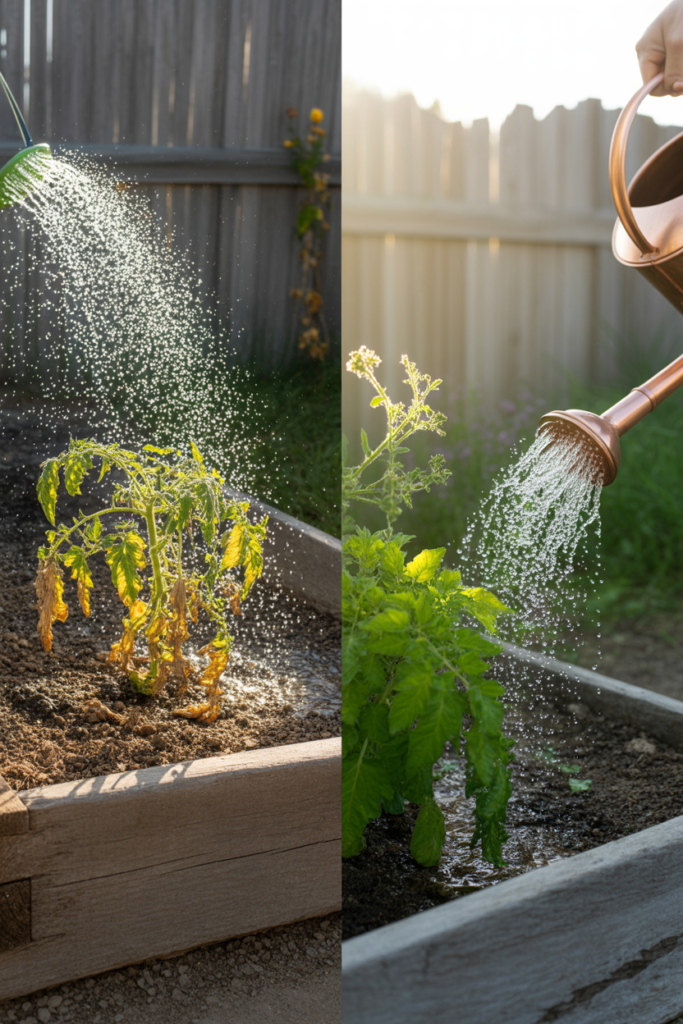
Watering seems simple, but timing matters more than many beginners realize. One of the most avoidable gardening mistakes is watering in the middle of a hot day or late in the evening without thinking about the effect.
Midday watering can lead to fast evaporation, while consistently watering late can leave foliage damp overnight, which may encourage disease in some plants.
The fix
Water in the early morning whenever possible. This gives plants time to absorb moisture before the heat of the day, while allowing leaves and surfaces to dry more naturally.
Why this works
Morning watering is efficient. Less water is lost to evaporation, roots get hydrated before heat stress builds, and plants have the best chance to stay balanced through the day.
Real-life example
Gardeners often notice that a bed watered at noon still looks thirsty by evening. The same bed watered early in the morning stays healthier and more even.
15. Letting Weeds Grow Too Long
The mistake
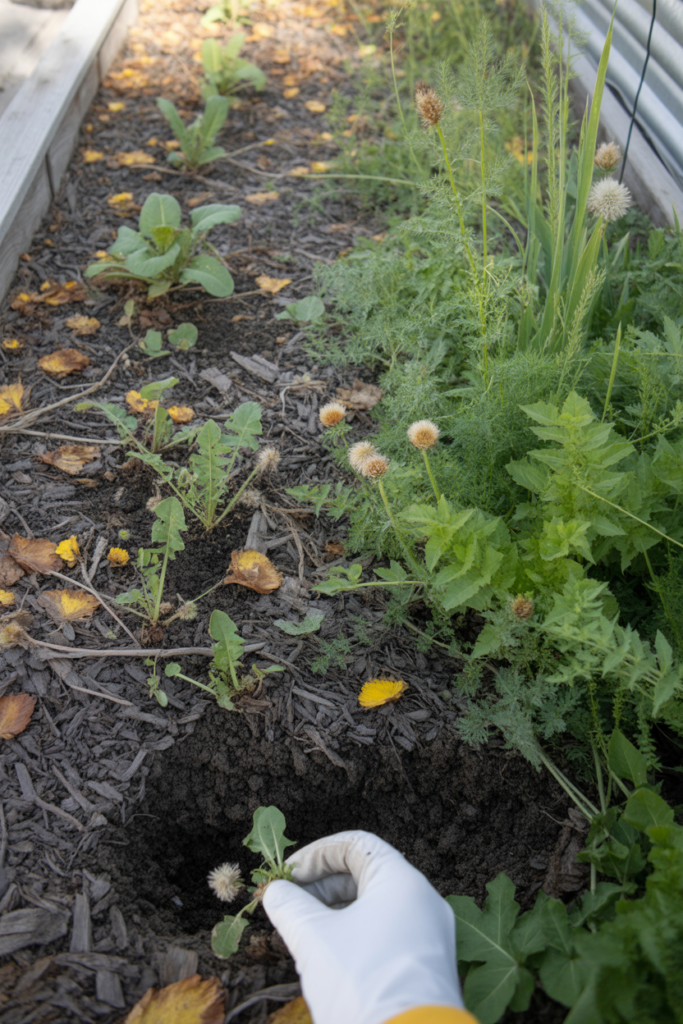
Weeds are easy to ignore when they are small. But waiting too long is one of the most frustrating beginner gardening mistakes because what starts as a few sprouts can turn into a thick mess very quickly.
Once weeds mature, they compete more aggressively for water, nutrients, and sunlight. They also become much harder to pull.
The fix
Pull weeds early and often, before they get established. A few minutes of regular maintenance is much easier than a full cleanup later. Adding mulch also helps prevent new weeds from sprouting.
Why this works
Young weeds have shallow roots and come out easily. Staying ahead of them saves time, protects your plants, and keeps the garden from feeling overwhelming.
Real-life example
A vegetable bed can go from tidy to overrun in just a couple of weeks during warm weather. Catching weeds early makes the job quick instead of exhausting.
16. Starting Too Big Too Fast
The mistake
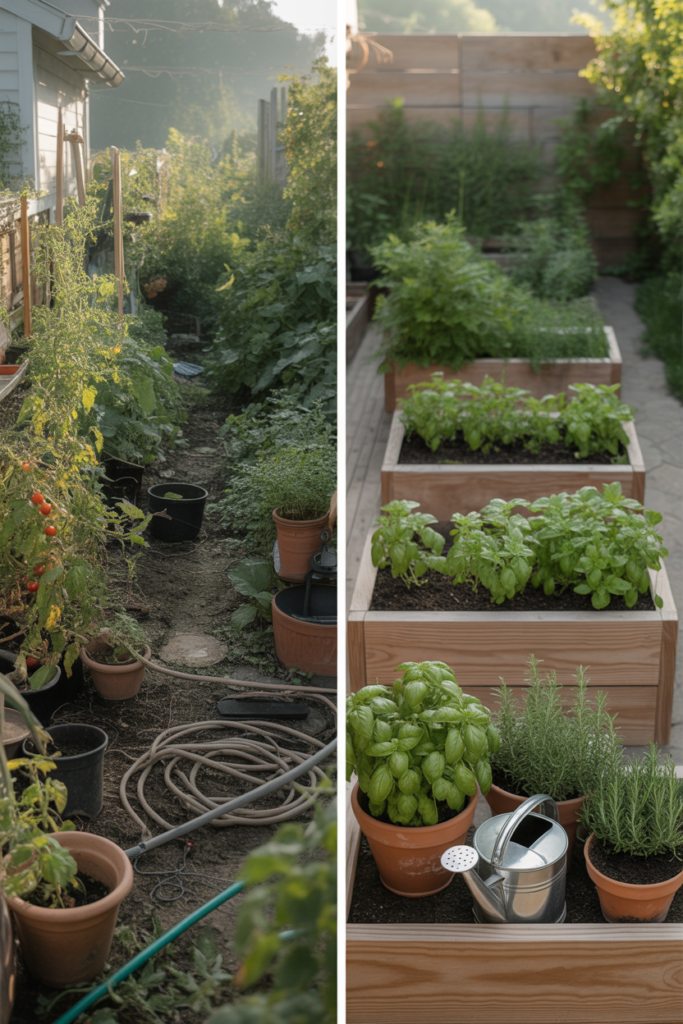
One of the most overlooked gardening mistakes—especially for beginners—is trying to do too much all at once. A large garden sounds exciting at first, but it quickly becomes overwhelming.
More plants mean more watering, more maintenance, more pest control, and more time. When everything starts piling up, it’s easy to fall behind and lose motivation.
The fix
Start small and manageable. Focus on a few plants, a couple of containers, or a single raised bed. Once you gain confidence and rhythm, you can expand gradually.
Why this works
A smaller space allows you to learn, observe, and adjust without stress. It builds consistency and confidence instead of burnout.
Real-life example
Many gardeners start with a full backyard plan and abandon half of it mid-season. Those who start small often end up with healthier plants—and a better experience overall.
17. Not Labeling Your Plants
The mistake
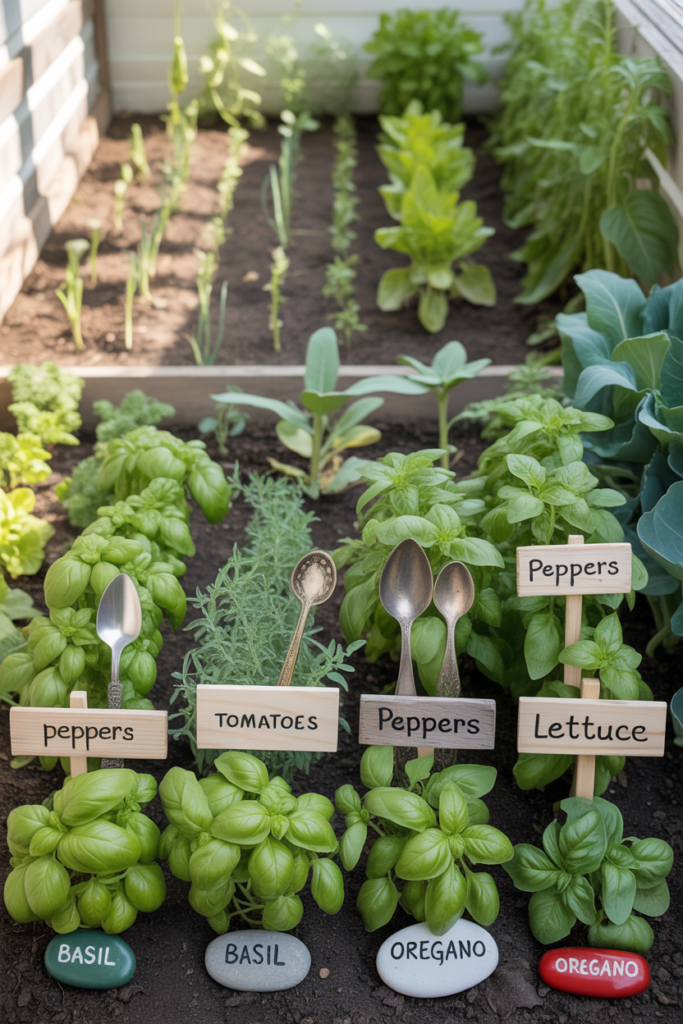
At the start, everything is clearly labeled. But over time, labels fade, get lost, or were never added in the first place. Suddenly, you cannot tell what is what—especially with seedlings that all look similar.
This is one of those small gardening mistakes that creates big confusion later.
The fix
Use durable, long-lasting labels such as painted stones, metal markers, or engraved tags. Place them clearly and securely in the soil.
Why this works
Clear labeling helps you track plant varieties, growth patterns, and care needs. It also avoids mistakes when harvesting or maintaining your plants.
Real-life example
Many gardeners mix up herbs like parsley and cilantro or different types of peppers because labels disappeared early in the season.
18. Expecting Instant Results
The mistake
Gardening requires patience, but many beginners expect quick results. When plants do not grow fast enough, it can feel like something is wrong.
This mindset is one of the most discouraging beginner gardening mistakes.
The fix
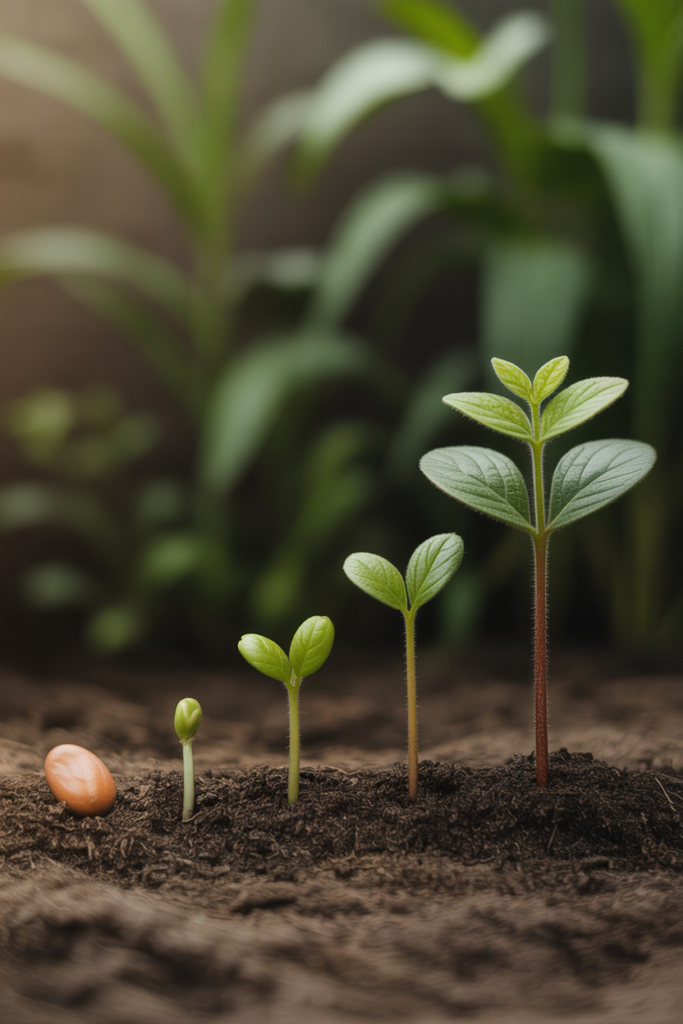
Understand that plants grow in stages. Focus on progress instead of perfection, and give your garden time to develop naturally.
Why this works
When you adjust your expectations, gardening becomes more enjoyable. You start noticing small improvements instead of feeling frustrated.
Real-life example
Seedlings can take days—or even weeks—to sprout. Without patience, it’s easy to assume failure too early and give up.
19. Not Observing Your Garden Regularly
The mistake
Some gardeners only check their plants occasionally. By the time they notice a problem, it has already grown worse.
This is one of the most preventable gardening mistakes, yet it happens often.
The fix
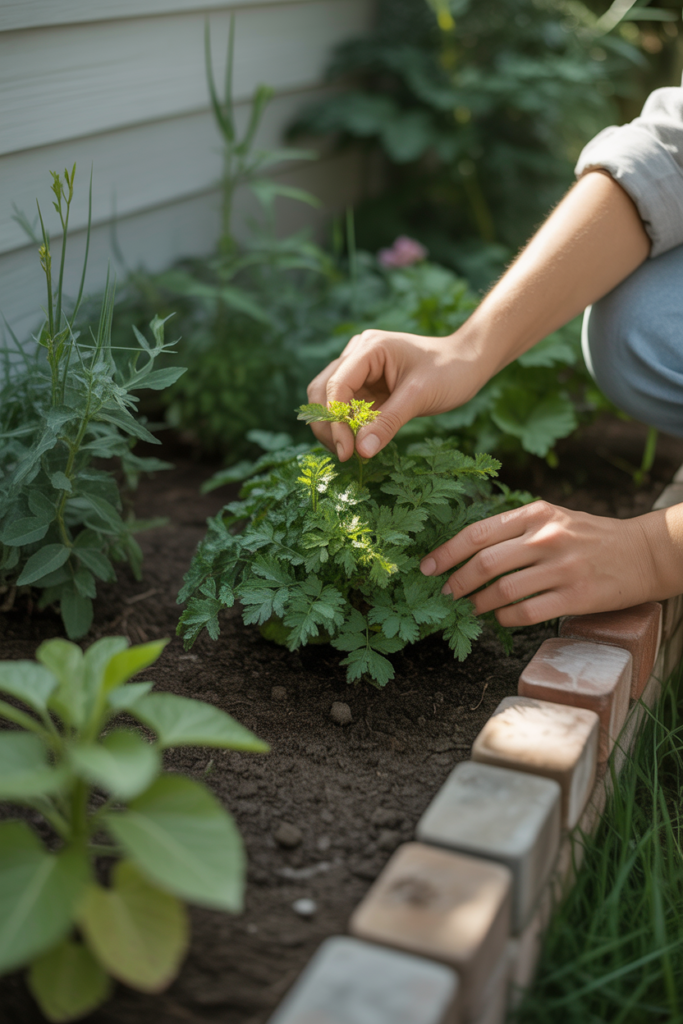
Spend a few minutes each day observing your garden. Look for:
- Changes in leaf color
- Signs of pests
- Soil moisture levels
- Growth patterns
Why this works
Small problems are much easier to fix early. Regular observation helps you catch issues before they become serious.
Real-life example
A quick daily check might reveal early pest activity or dryness that can be fixed immediately—saving the plant from bigger damage later.
20. Copying Advice Without Adapting It
The mistake
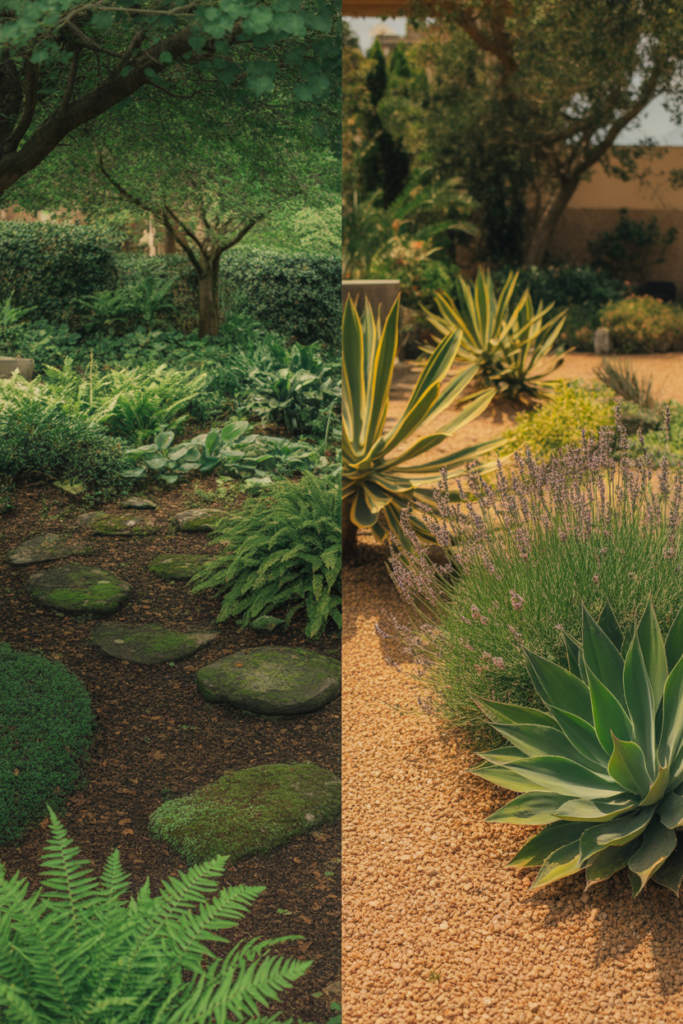
It’s easy to follow gardening advice from videos, blogs, or social media—but not every tip works in every environment. Copying methods without adjusting for your climate, soil, or space is a common mistake.
The fix
Adapt advice to your conditions. Consider your:
- Climate
- Sunlight
- Soil type
- Space
Test small changes and observe what works best for your garden.
Why this works
Gardening is not one-size-fits-all. What works perfectly in one region may fail in another. Adapting makes your approach more effective.
Real-life example
A watering schedule that works in a cool climate may not work in a hot, dry area. Adjusting based on conditions leads to better results.
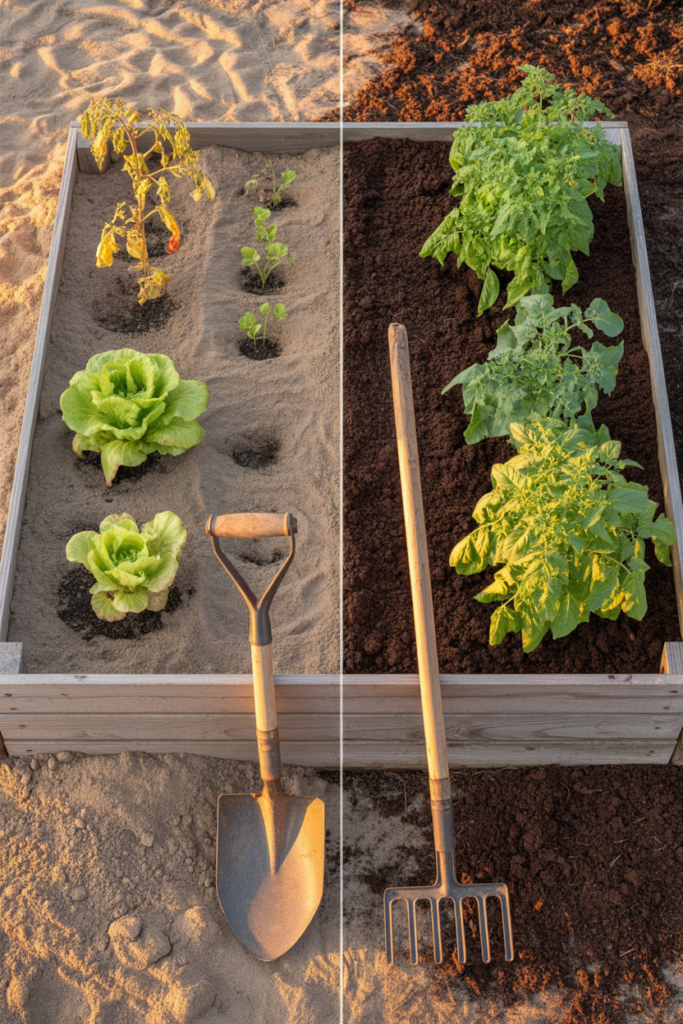
21. Not Improving Your Soil Each Season
The mistake
A lot of gardeners treat soil like a one-time job. They fill a bed or a pot, plant into it, and assume it will keep performing the same way season after season. But soil changes over time. Nutrients get used up, organic matter breaks down, and structure can become compacted.
This is one of those gardening mistakes that does not always show up right away. At first, your plants may still grow. Then gradually, they seem less vigorous, less productive, and more prone to stress.
The fix
Refresh your soil every season with compost or other organic matter. You do not need to replace everything. In most cases, simply top-dressing beds with compost, mixing some into containers, or adding natural amendments is enough to bring the soil back to life.
Why this works
Healthy soil is not static. It needs replenishing. Compost improves texture, boosts nutrient levels, supports beneficial microbes, and helps the soil hold moisture more evenly. When the soil improves, plant health often improves right along with it.
Real-life example
This happens a lot in raised beds. The first year is amazing, the second is decent, and by the third, the plants seem tired. A fresh layer of compost can make the bed feel productive again without starting over from scratch.
22. Ignoring Your Climate and Growing Conditions
The mistake
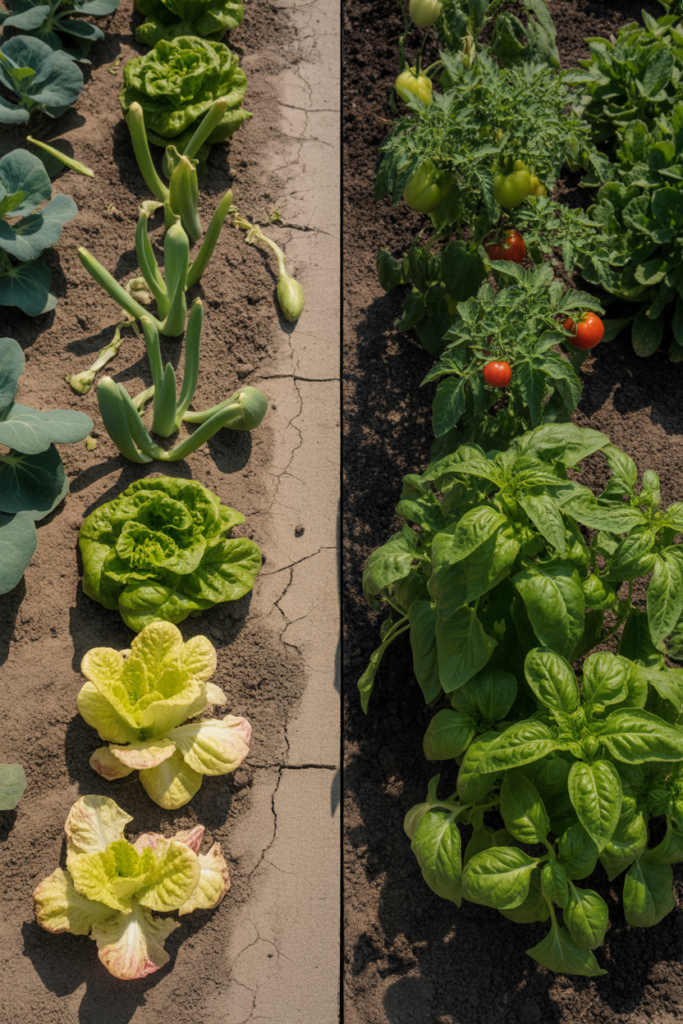
It is easy to fall in love with a plant and bring it home without thinking about whether it actually suits your climate. This is one of the most frustrating common gardening mistakes because the plant may fail no matter how much effort you put in.
Some plants struggle in heat. Others hate humidity. Some need long growing seasons, while others are better suited for cool weather. When the plant and climate do not match, growth becomes an uphill battle.
The fix
Choose plants that suit your local conditions, not just your aesthetic preferences. Pay attention to your climate, seasonal temperatures, humidity, rainfall, and the amount of sun your space gets.
Why this works
Plants that are naturally better suited to your region need less correction and less stress management. They establish faster, grow more reliably, and usually need less maintenance overall.
Real-life example
A cool-weather leafy green may bolt quickly in hot conditions, while heat-loving peppers thrive. Gardeners often have more success when they stop fighting their climate and start working with it.
23. Using Cheap or Wrong Containers
The mistake
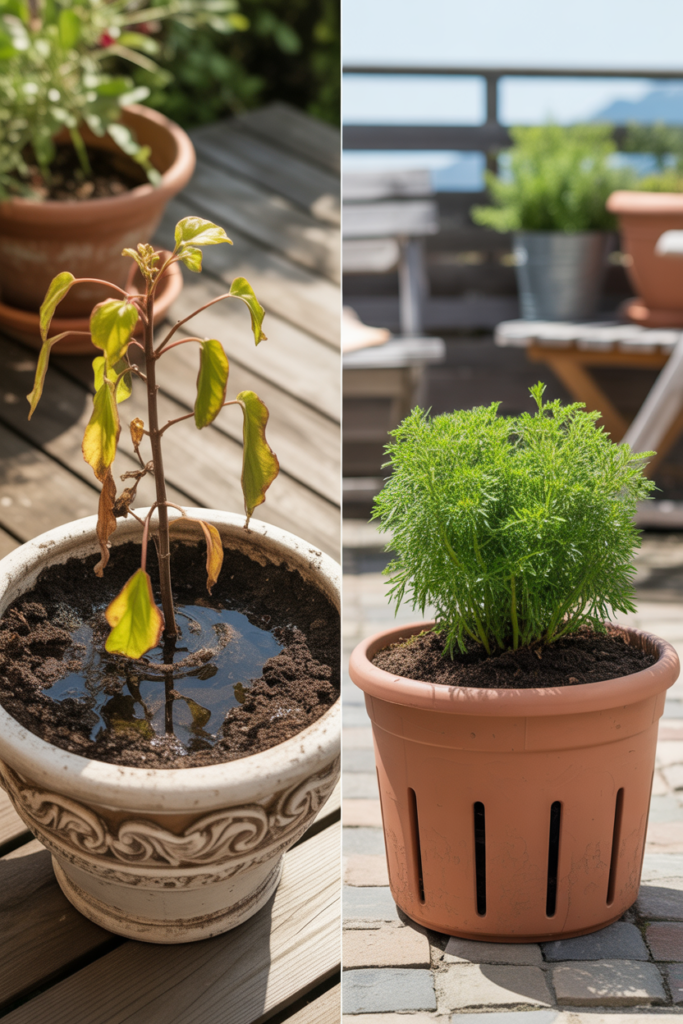
Containers can make gardening feel easy and flexible, but not all pots work well for healthy plants. One of the most common gardening mistakes is choosing containers based only on appearance, without thinking about drainage, size, or material.
A pot may look beautiful and still cause major problems if it is too small, holds too much water, or dries out too quickly.
The fix
Choose containers with good drainage holes and enough room for the roots to grow. Match the size of the pot to the plant’s mature needs, and pay attention to material. For example, terracotta dries faster, while plastic holds moisture longer.
Why this works
The right container creates a more stable root environment. Good drainage prevents soggy soil, while proper size reduces stress from crowding or constant drying out.
Real-life example
Many gardeners lose herbs or vegetables in decorative pots that have no drainage. The plant looks fine at first, then slowly declines because the roots stay too wet.
24. Not Planning Your Garden Layout
The mistake
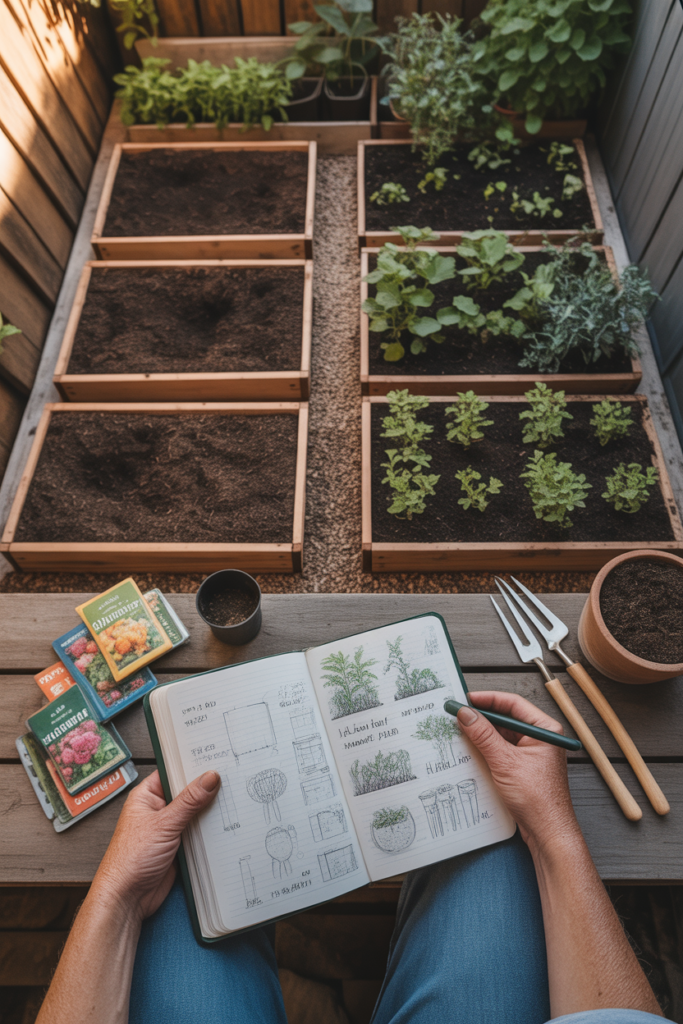
It is tempting to plant as you go, especially when you are excited. But skipping even a simple layout plan is one of those gardening mistakes that often leads to crowding, awkward access, blocked sunlight, and a garden that feels harder to manage than it should.
Without a plan, tall plants may shade smaller ones, pathways can become cramped, and harvesting may turn into a hassle.
The fix
Sketch out a basic garden layout before planting. It does not need to be fancy. Think about plant size, sun exposure, access for watering and harvesting, and how the garden will look once everything grows in.
Why this works
A simple plan helps your space function better. It improves airflow, makes maintenance easier, and helps you use your garden space more intentionally.
Real-life example
A gardener may plant tomatoes in front of peppers early in the season when everything is small, only to realize later that the taller plants block light and make harvesting awkward.
25. Giving Up Too Soon
The mistake
This may be the biggest gardening mistake of all. A rough season, a failed crop, or a few dead plants can make it feel like gardening just is not for you. But every gardener, even the experienced ones, has failures.
The difference is that successful gardeners do not treat mistakes as proof they cannot do it. They treat them as part of learning.
The fix
Keep going, but do it smarter. Instead of trying to restart everything at once, look at one or two things that went wrong and adjust those first. Build on what worked, learn from what did not, and let each season teach you something.
Why this works
Gardening is a skill, not a talent you either have or do not have. The more you observe, adjust, and try again, the better your results become.
Real-life example
A gardener might lose their tomatoes one season, then realize the issue was poor spacing or inconsistent watering. The next season, with just a couple of changes, the outcome can be completely different.
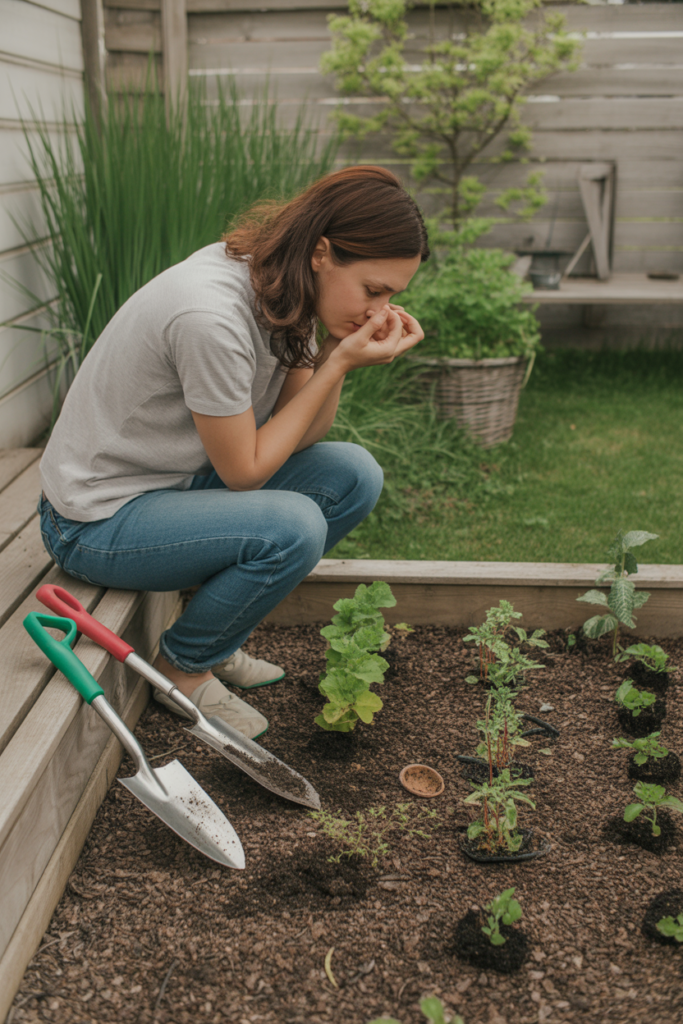
Final Batch Pinterest visual direction
For these last five, the strongest visuals should feel more thoughtful and long-term focused.
Style:
- Organized garden spaces
- Soil and container close-ups
- Planning and reflection scenes
- Realistic home garden settings
- No text overlays
Mood:
Practical, intentional, and encouraging
Conclusion: Gardening Gets Easier When You Know What to Fix
The truth is, most gardening mistakes are not dramatic failures. They are small habits, small oversights, and small decisions that add up over time. The good part is that small mistakes usually have simple fixes.
Maybe you water too often. Maybe your plants are too crowded. Maybe your soil needs more attention than you realized. None of that means you are bad at gardening. It just means you are learning what your garden needs.
That is how every good gardener gets better—by noticing problems, making adjustments, and trying again with a little more knowledge than before.
So if your plants have been struggling, do not assume you have failed. Start with one fix. Then another. A few small changes can completely shift how your garden looks, grows, and feels.
And honestly, that is what makes gardening so rewarding. You are not aiming for perfection. You are building experience, season by season, one smart fix at a time.